
To stabilize a patio umbrella, start by fully opening the canopy, tightening every fastener at the pole and base, and confirming your base is heavy enough for your canopy size. A 9-foot umbrella needs at least 90 pounds of base weight, and a 10-footer needs closer to 88–100 pounds. From there, you can add wind straps, tie-downs, or a heavier weighted base depending on how exposed your setup is. If you're in the middle of a wind event right now and the umbrella is wobbling, close it immediately, sustained winds above 15–20 mph are enough to tip most residential setups, and above 25 mph you should close it no matter what. To learn more about the best way to keep your patio umbrella steady, use the same base and securing methods described in the wind-proofing sections how to hold patio umbrella in place.
How to Stabilize a Patio Umbrella in Wind

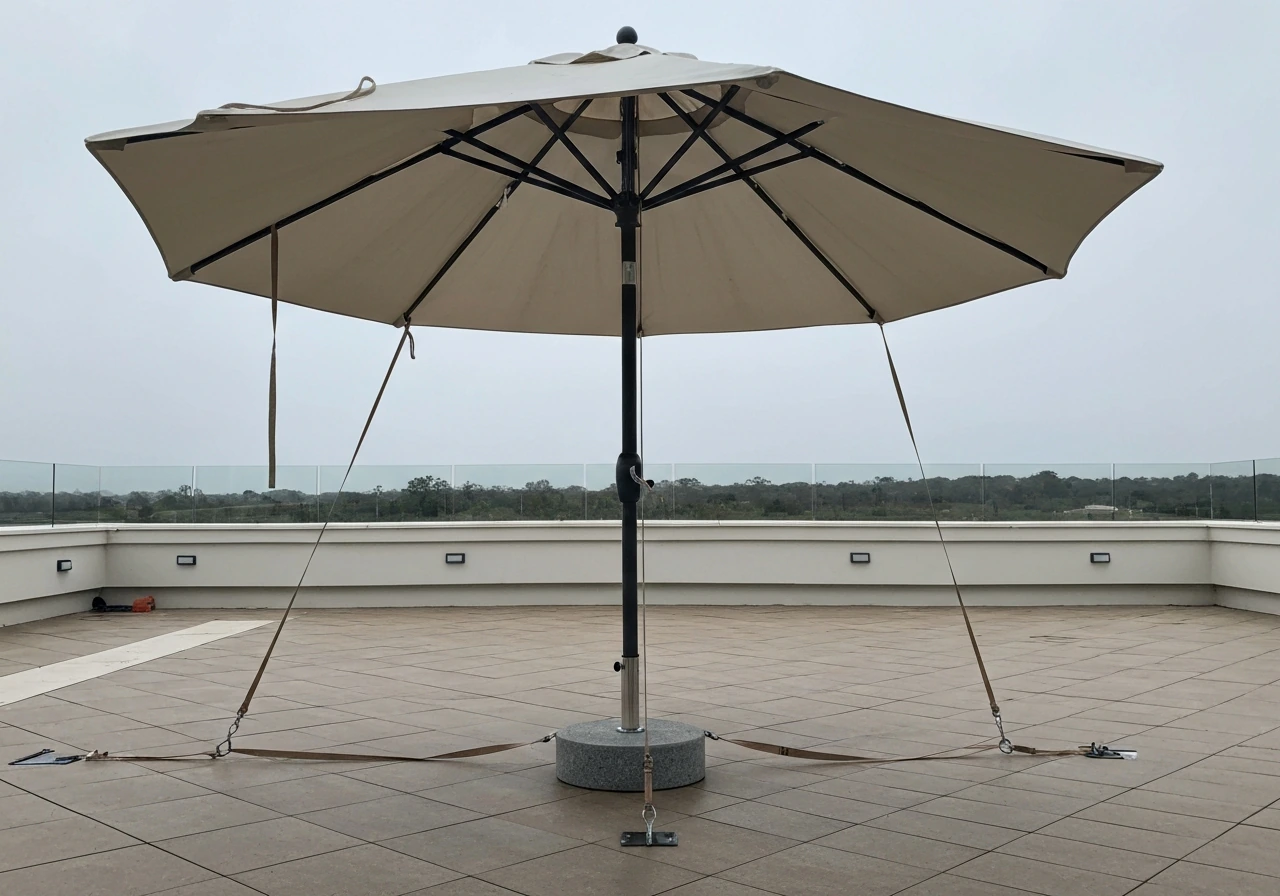
Quick safety check: what's actually happening in the wind
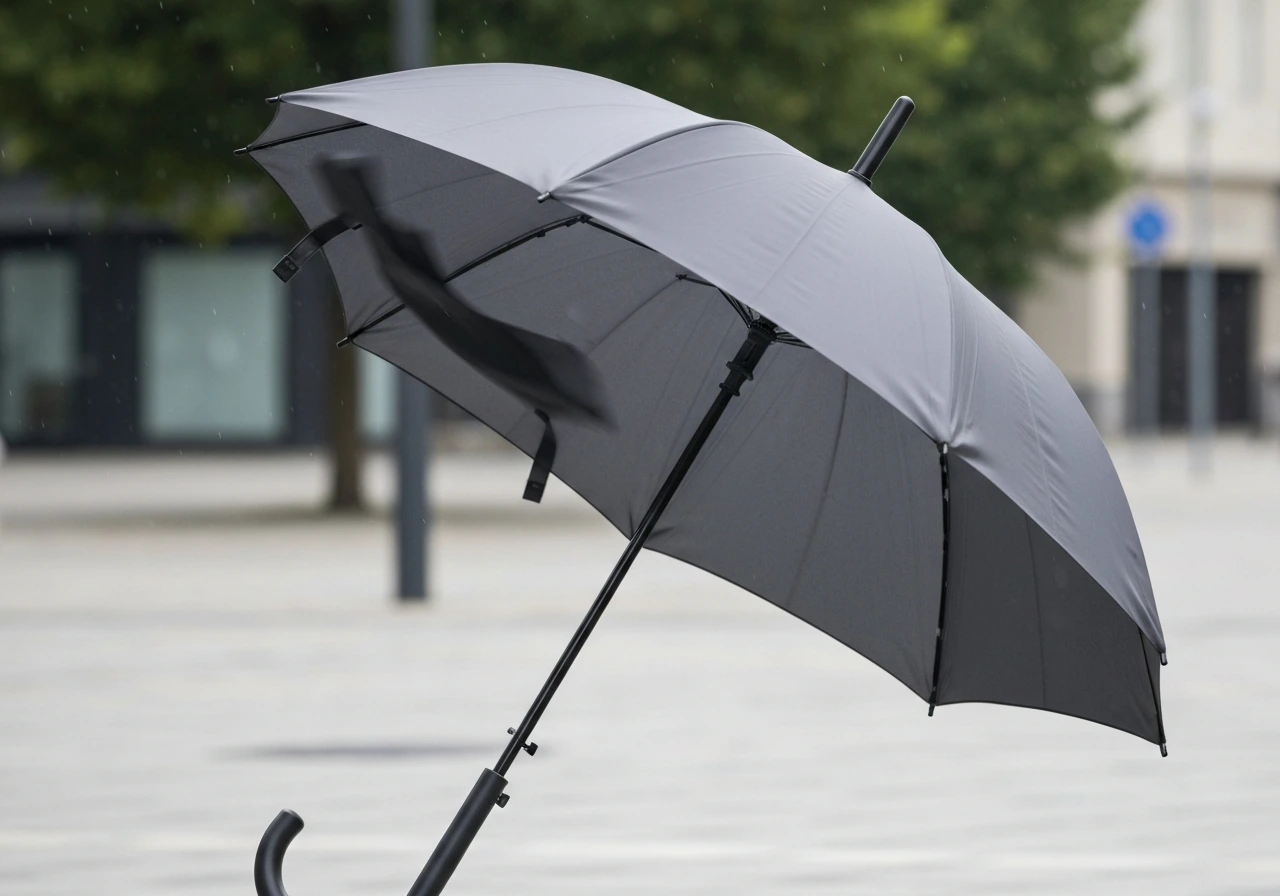
Before you fix anything, it helps to understand why wind makes umbrellas so dangerous. The canopy acts like a sail. When wind catches it, it creates lift and torque on the pole and base, the bigger the canopy, the more force. A heavy base that feels rock-solid on a calm day can tip over easily at 20–25 mph because that leverage point moves higher as the umbrella opens. Offset and cantilever umbrellas are especially vulnerable because the pole is side-mounted, meaning wind creates a rotational force that a center-post design distributes more evenly.
The first thing to do when you notice wobble or tilting in wind is close the canopy. This is not optional, it's the one step every major manufacturer agrees on. Frankford Umbrellas, for example, explicitly states that failure to close and secure the umbrella when winds exceed 25 mph will void your warranty. More importantly, a tipped umbrella on a deck or near people can cause real injury. Once the canopy is closed and the umbrella is secured or moved indoors, then you can diagnose what's making it unstable and fix it.
- Close the canopy immediately if it starts wobbling, tilting, or straining in wind
- Bring the umbrella inside or lay it down if you expect sustained winds above 25 mph
- Never leave an open umbrella unattended outdoors, even in calm weather
- Check that the umbrella is on flat, stable ground — an uneven surface multiplies instability
- Remember: patio umbrellas are designed for sun protection, not wind resistance
Basic stabilization: open it right, position it right, tighten everything
A surprising number of unstable umbrellas just aren't fully or correctly opened. Partial deployment leaves the canopy at an awkward angle that catches wind more aggressively than a fully extended canopy. Most center-post umbrellas open via a push-button tilt or a crank, you should be winding or pushing until the ribs snap fully outward and the canopy is taut. On cantilever and offset models, blank" rel="noopener noreferrer">use the crank until fully extended, then engage the tilt lock at the arm. If you stop halfway, the canopy flaps and wobbles at the first gust.
Once fully open, run through these tightening steps before you look at anything else. Loose hardware is one of the most common causes of wobble and it takes about two minutes to check.
- Check the pole-to-base collar: there is usually a set screw or a threaded collar where the pole sits in the base. Tighten it firmly with a hex key or by hand.
- Check the tilt mechanism: if your umbrella has a push-button tilt or a ratchet tilt, make sure it's locked in position. A half-engaged tilt flops around in wind.
- Check all hub and rib connections: run your hand along each rib where it meets the hub (the center ring). Any rib that has play or wobble at its pin connection can be tightened or replaced.
- Check the pole sections: many umbrellas have a two-piece pole with a joiner collar. Twist and tighten that collar until snug.
- Check the base bolt or pin: the pin or bolt that secures the pole inside the base sleeve should be fully engaged. If it's a thumbscrew, snug it down by hand until you feel resistance.
On offset and cantilever umbrellas, also check the arm joint where the canopy arm meets the support post. This connection point takes a lot of force in wind, and if the locking lever or sleeve clamp is even slightly loose, you'll get significant side-to-side movement. Lock it in, then give the arm a firm push to confirm it doesn't shift.
One more thing on positioning: place your umbrella away from fences, walls, or furniture that could funnel and accelerate wind into it. A corner of a deck or a tight gap between structures can dramatically increase the wind load compared to an open area. Flat, stable ground matters too, a slight slope or uneven patio tile under the base already has the whole assembly leaning before the wind even starts.
Getting your base right: weight, size, and making sure it fits your umbrella
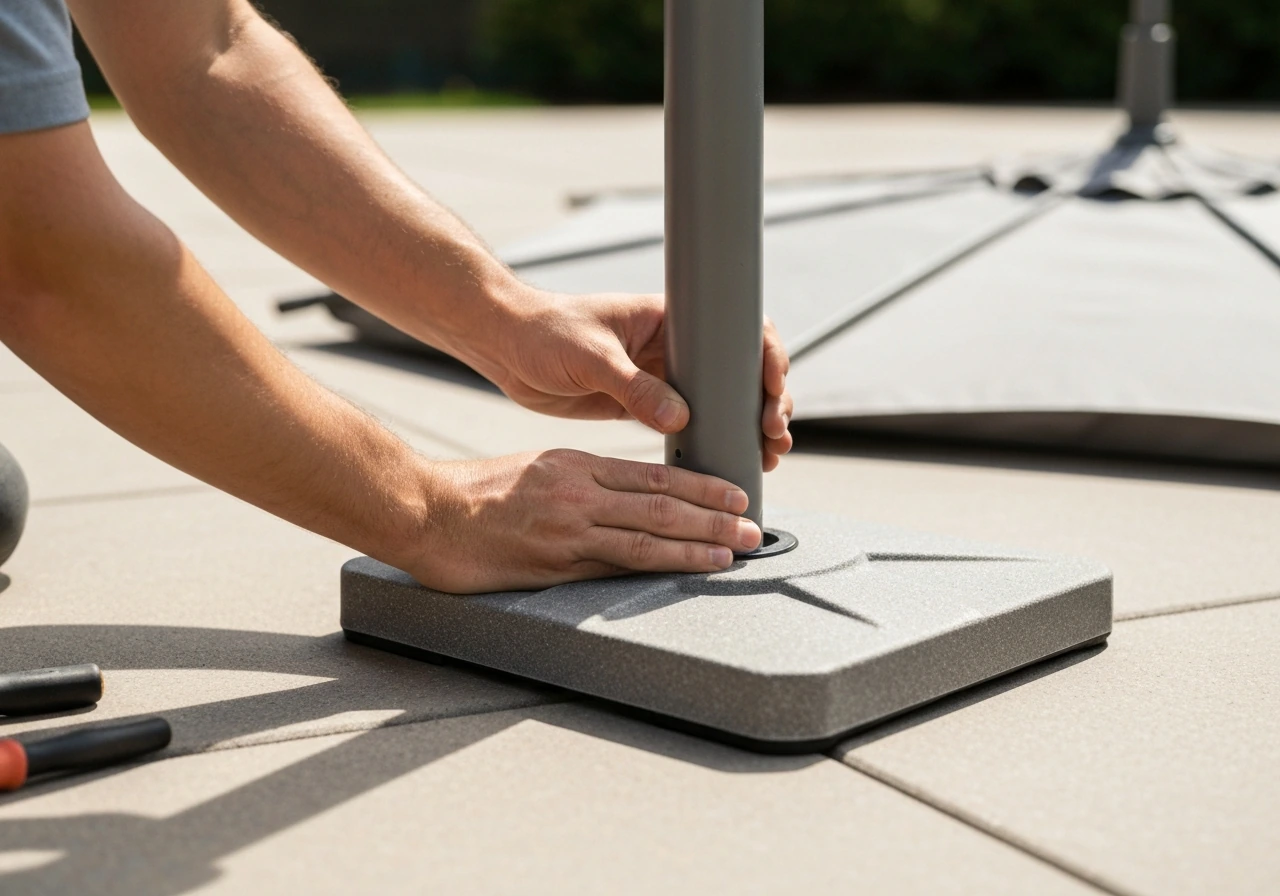
The base is where most people underinvest, and it's usually the main reason an umbrella keeps tipping or wobbling. The general rule of thumb is about 10 pounds of base weight per foot of canopy diameter as a floor, not a target. In a wind-exposed area, you want more than the minimum.
| Canopy Size | Minimum Base Weight (Center-Post) | Minimum Base Weight (Offset/Cantilever) |
|---|---|---|
| 9 ft | 90 lb | 150–200 lb |
| 10 ft | 88–100 lb | 175–225 lb |
| 11 ft | 110 lb | 200–250 lb |
Those offset and cantilever numbers are not typos. Offset and cantilever umbrellas typically require much heavier bases than center-post umbrellas, with one guide giving an example range of about 150 to 250+ lb depending on umbrella size offset and cantilever umbrellas need much heavier bases than center-post umbrellas. Because the pole is side-mounted, wind creates a rotational force that a center-post umbrella simply doesn't experience in the same way. A 150-pound base for a 9-foot cantilever is a realistic starting point, not overkill. If you're using a lighter base and wondering why your offset umbrella keeps tipping, that's your answer.
Also check that the base pole sleeve matches your pole diameter. Most residential umbrella poles are 1.5 inches or 1.75 inches in diameter. If your pole is rattling around in a sleeve that's too wide, no amount of weight will fix the wobble at the top of the pole. You need either a correctly sized base or a pole sleeve insert (an inexpensive plastic or rubber adapter that fills the gap).
If you have a patio table with an umbrella hole, using the table itself changes the load significantly. The table edges stabilize the pole laterally, so you don't need nearly as much base weight as a free-standing setup. That said, the base underneath still needs to be secure, a light 25-pound disc base under a table is fine for calm days but won't hold in 20 mph gusts.
Adding weight to an existing base
If you already own a base and just need more weight, there are a few practical options. Many plastic fillable bases can be topped up with sand or water, sand is better because it doesn't slosh and adds more weight per volume. You can also stack sandbags or paver stones around the base perimeter and secure them with bungee cords or straps. For a more permanent fix, some people fill hollow steel bases with concrete, which works well but means the base is no longer portable. If you go the concrete route, let it cure fully (at least 48 hours) before loading the umbrella.
Wind-proofing add-ons: straps, tie-downs, anchors, and accessories
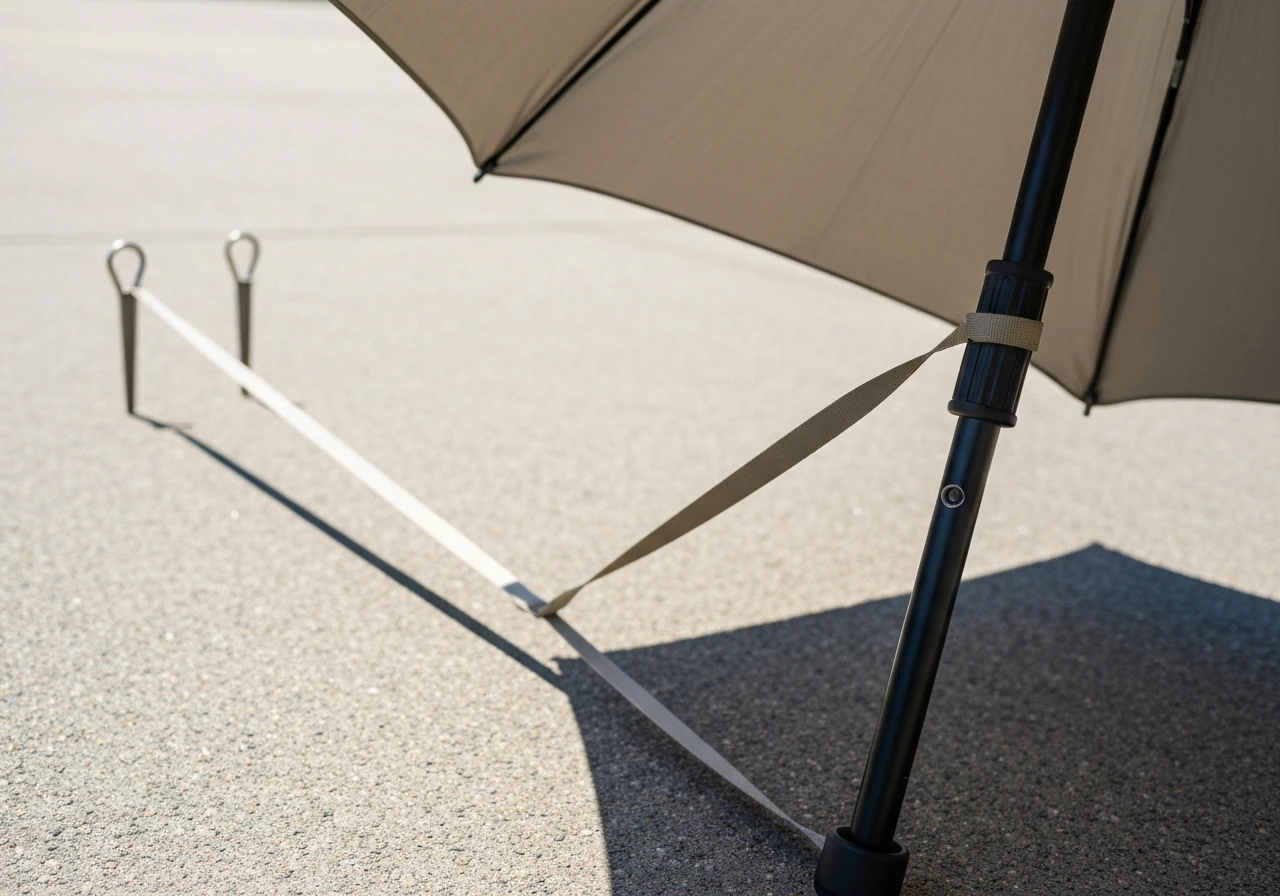
Once your base weight and tightening are dialed in, wind-specific accessories can add meaningful protection for exposed setups. These are most useful if you live somewhere with frequent afternoon gusts or coastal winds.
Wind stabilizer straps (especially for cantilever umbrellas)
Wind stabilizer strap kits attach to the umbrella arms and cinch the canopy down to reduce how much it moves in gusts. Shade Australia and similar brands make dedicated kits for cantilever umbrellas, they typically include two or more cinch straps that clip to specific positions on the back arms. Installation takes about 10 minutes. One important note from the installation instructions: do not slide the straps up the umbrella arms while they're engaged under tension. Position them first, then tighten. If you own an offset umbrella, check whether it came with a wind strap as an included accessory, many do, and it's worth digging out if you haven't used it.
Ground anchors and tie-downs
If you have a lawn or soft ground nearby, ground anchors (the kind used for beach umbrellas and large event tents) can be driven into the ground and used to tether the base or lower pole with bungee cord or ratchet straps. Anchor Works makes a commercial-grade beach umbrella anchor system that's been tested past 30 mph under ASTM F3681 protocols, which gives you a sense of what a proper anchor can achieve. For deck or concrete surfaces, bolt-down base plates are a much more permanent option, you mark hole positions above joists (for a deck), drill pilot holes, and bolt the plate down. This setup is essentially immovable and is the method used for commercial umbrella installations.
In-ground sleeves and permanent mounts
For maximum long-term stability, especially with large or commercial umbrellas, an in-ground sleeve set in concrete transfers all lateral wind load directly into the foundation. The umbrella pole slides into the sleeve and is held by a pin or set screw. This approach is common in commercial settings but increasingly practical for homeowners with a permanent umbrella spot on a concrete patio. It eliminates base weight concerns entirely. The tradeoff is that you're committing to a fixed location.
Vented canopies as a built-in wind solution
If you're shopping for a new umbrella or canopy replacement, look for a vented or double-canopy design. The vent is a gap between an inner and outer layer of fabric at the top, and it lets wind pass through instead of building pressure underneath the canopy. This directly reduces the lift and sail effect that causes tipping. It doesn't replace proper base weight, but it meaningfully lowers the force that reaches your base and pole in a gust.
Troubleshooting the mechanical causes of wobble
Sometimes the instability isn't about base weight or wind at all, it's a worn or broken part in the umbrella mechanism itself. Here's how to work through the most common ones.
Wobble at the tilt mechanism
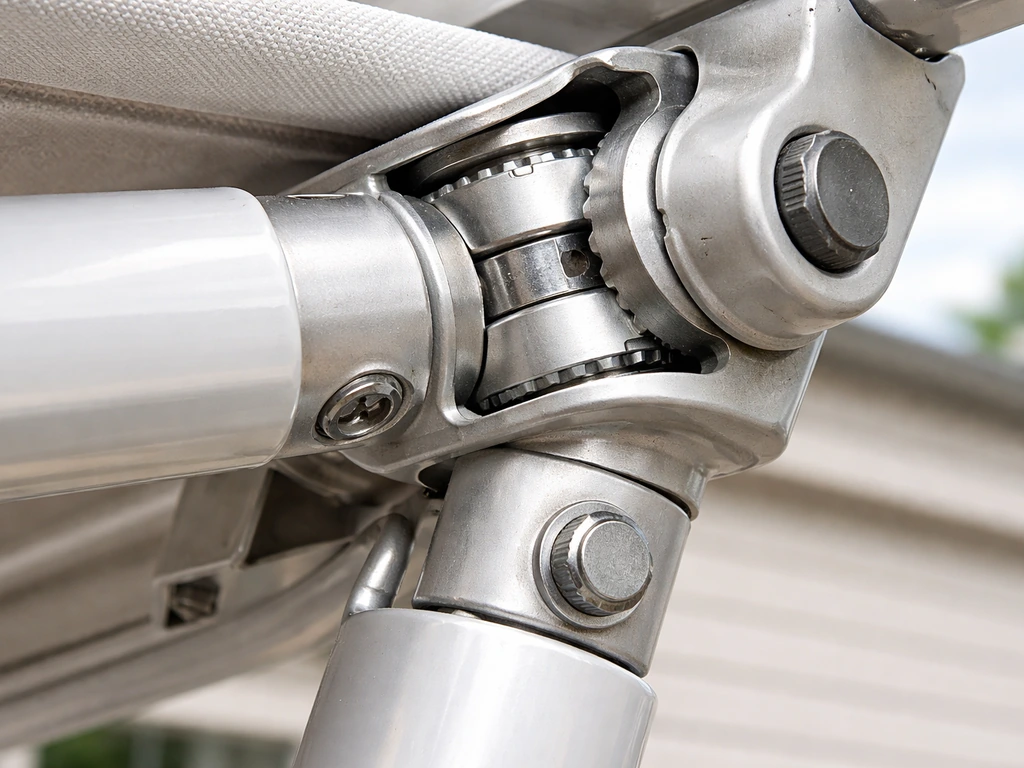
If the canopy flops or tilts on its own even in calm weather, the tilt mechanism is either not engaged or the internal coupler is worn. On a push-button tilt, press the button firmly and rotate until you hear/feel a click into the next position. If it doesn't click, the spring or pin inside is worn. On a ratchet tilt (collar you twist), make sure it's fully tightened, a ratchet that's only halfway seated will wobble freely. If tightening doesn't hold, the ratchet teeth are likely stripped and the mechanism needs replacement. Replacement tilt mechanisms are available for about $10–25 and are usually interchangeable by pole diameter.
Crank issues causing incomplete opening
If the crank turns but the canopy doesn't fully open, the cord inside the pole is either tangled, frayed, or the crank gear is slipping. A partially opened umbrella wobbles far more than a fully extended one because the ribs aren't locked into their open position. Check the cord where it exits the top cap and along the pole length, any fraying or kinking needs to be addressed. Also, don't overwind the crank handle trying to force it open. Overwinding can snap the cord or strip the gear, turning a $15 cord replacement into a $60 mechanism replacement.
Loose or cracked hub and rib joints
The hub is the ring in the center that all the ribs connect to. Over time, the pins or rivets at each rib joint loosen or the plastic hub itself cracks. A cracked hub lets ribs move independently, which causes the whole canopy to flex and flap. You can temporarily stabilize a loose rib pin by wrapping it tightly with electrical tape, but a cracked hub needs replacement. Hub replacement kits are available for most standard umbrella sizes.
Pole sections that won't stay joined
Two-piece poles join with a threaded or push-fit collar. If the collar has stripped threads or the push-fit tabs are broken, the upper pole can tilt inside the lower even when the collar feels tightened. Test this by gripping the lower pole with one hand and trying to rock the upper section side to side. Any movement means the joint is compromised. A replacement joiner collar for the right pole diameter usually costs under $20.
Offset arm joint looseness
On cantilever and offset umbrellas, check the locking sleeve or clamp lever where the canopy arm meets the main support post. If the arm rocks even when the lever is locked, the internal bushing is worn. This is a more involved repair, on some models the bushing is replaceable, on others the arm assembly itself needs to be swapped. If the umbrella is under five years old, contact the manufacturer as this is often a warranty item.
Maintenance and seasonal steps so this doesn't keep happening
Most wobble problems are cumulative, they develop gradually from repeated wind stress, missed tightening, and exposure to weather. Building a simple maintenance habit means you catch problems early and avoid the moment where a gust turns a minor wobble into a tipped umbrella.
At the start of each season
- Pull the umbrella out of storage and open it fully. Check every rib joint, the hub, both pole sections, the tilt mechanism, and the base collar for looseness, cracks, or corrosion.
- Tighten all set screws, pole collar connections, and crank hardware. A hex key set and a pair of pliers are all you need.
- Inspect the canopy fabric for tears or stress points along the seam lines at each rib tip — torn fabric flaps and adds wind resistance in bad spots.
- Check that your base is filled to capacity if it's a fillable model. Water evaporates and sand can compact or shift over winter, reducing effective weight.
- Lubricate the crank mechanism and tilt pivot with a silicone-based spray (not WD-40, which attracts dirt). This prevents binding that leads to overwinding and gear damage.
Ongoing habits during the season
Close the umbrella any time you leave it unattended for more than a short period, and close it every night. This is the single most effective thing you can do to extend the life of every moving part. Wind stress at night when no one's watching is how most mechanisms and ribs get gradually damaged. If you're in an area with afternoon thunderstorms, get in the habit of closing it by early afternoon on storm days rather than waiting to see if the wind picks up.
Before putting it away for winter
- Clean the canopy fabric with mild soap and water, rinse thoroughly, and let it dry completely before storing. Damp fabric develops mildew and the fibers weaken, which means more tears and flapping the following season.
- Retract and close the canopy fully, then place it in a protective storage bag if it came with one.
- Remove the pole from the base and store both separately in a dry location. Leaving the pole in the base over winter traps moisture and corrodes the set screw and collar threads.
- Drain or partially drain a water-fillable base before freezing temperatures arrive — water expands when it freezes and can crack plastic bases.
- Do a final hardware check and order any replacement parts now so you're ready for spring. Replacement cords, tilt mechanisms, and hub kits are cheap and hard to find at peak season.
If your instability issue is primarily about how much weight you're using or how to properly anchor the umbrella to a deck or in-ground surface, those are related problems with their own detailed solutions. If you want a more hands-on walkthrough, this guide covers how to anchor patio umbrella setups for different surfaces and wind conditions anchor the umbrella to a deck or in-ground surface. The weight side and the anchoring side of this are each worth going deeper on, depending on your specific setup and how much wind exposure you're dealing with.
FAQ
How do I tell if my patio umbrella is wobbling because the base is too light versus the tilt or crank mechanism is off?
Do a quick calm-day test with the canopy fully extended. If it wobbles even without wind, focus on the open position and tilt latch (a half-click or half-seated ratchet will cause flapping). If it is steady indoors or in a sheltered spot, then the base weight, base-to-sleeve fit, or anchoring is the likely cause.
Can I leave my patio umbrella open during light wind (under 15 mph)?
You can try it in very light conditions, but make it a rule to close it when you notice any sustained gust-driven wobble. Small oscillations still loosen hardware and can fatigue tilt or hub parts over time, especially on offset and cantilever designs.
What’s the fastest way to stop a wobble if I’m outside and the wind suddenly picks up?
Close the canopy immediately, then secure it by verifying the pole hardware is tightened and the canopy is fully latched. If you cannot stabilize it safely, move it indoors or to a sheltered corner right away, because a partially closed canopy can catch wind and increase torque.
My base says it’s “heavy,” but the umbrella still tips. What are the most common non-obvious reasons?
Check three things: (1) base weight is spread evenly, not just “rated” on the label, (2) the base pole sleeve matches your pole diameter (rattling means poor fit), and (3) the umbrella is on flat, level ground (a slight slope can tilt the entire assembly before wind even starts).
Should I add sand or water to a fillable base for better wind stability?
Sand is usually better because it does not slosh, so it keeps the center of mass steady during gusts. If you use water, be aware it can shift inside the base and make the umbrella feel “rock-solid” in calm air but less stable in wind.
How do I know if I’m using the correct sleeve insert or base for my pole diameter?
Confirm the umbrella pole diameter matches the insert size and that the wobble disappears when the pole is seated. If you can wiggle the pole by hand inside the base sleeve, the fit is still wrong, and you may need a different base or a properly sized insert.
Do wind strap kits work for all umbrella types?
They work best when the kit is designed for your model (especially offset and cantilever). Also confirm strap routing is compatible with your arm positions, and install them with the canopy positioned correctly, then tighten after the straps are placed to avoid fighting tension.
What’s the correct way to secure a ground anchor if I have soft soil or grass?
Use a tether point that keeps tension on the base or lower pole without rubbing against fabric or moving parts. In soft ground, periodically recheck tightness after rain, because soil settling can reduce anchor holding power compared with concrete or packed surfaces.
If I bolt a base plate down, where should the bolt locations go?
On decks, the goal is to fasten into structural members, not just deck boards. Mark hole positions only after you locate joists, drill pilot holes to prevent cracking, and ensure the plate sits flat so the pole does not inherit a twist from an uneven mounting surface.
Can a vented or double-canopy umbrella eliminate tipping completely in wind?
It can significantly reduce lift, but it does not replace correct base weight and secure locking. If your area routinely sees strong gusts, you still need wind straps or tie-downs, and you should close the umbrella when it starts to wobble.
How often should I inspect and re-tighten umbrella hardware for wind stability?
Do a short check whenever the umbrella has been exposed to strong winds or storms, and at least at the start of each season. A two-minute routine (fasteners, arm joint clamp lever, and the base-to-pole seating) catches loosening before it becomes a tipping problem.
If my offset umbrella keeps side-to-side moving, what should I check first on the arm joint?
Check that the locking sleeve or clamp lever fully engages (not just partially). Then push the arm firmly after locking to confirm it cannot shift laterally; if it still rocks, the internal bushing may be worn and may require a repair or warranty replacement.
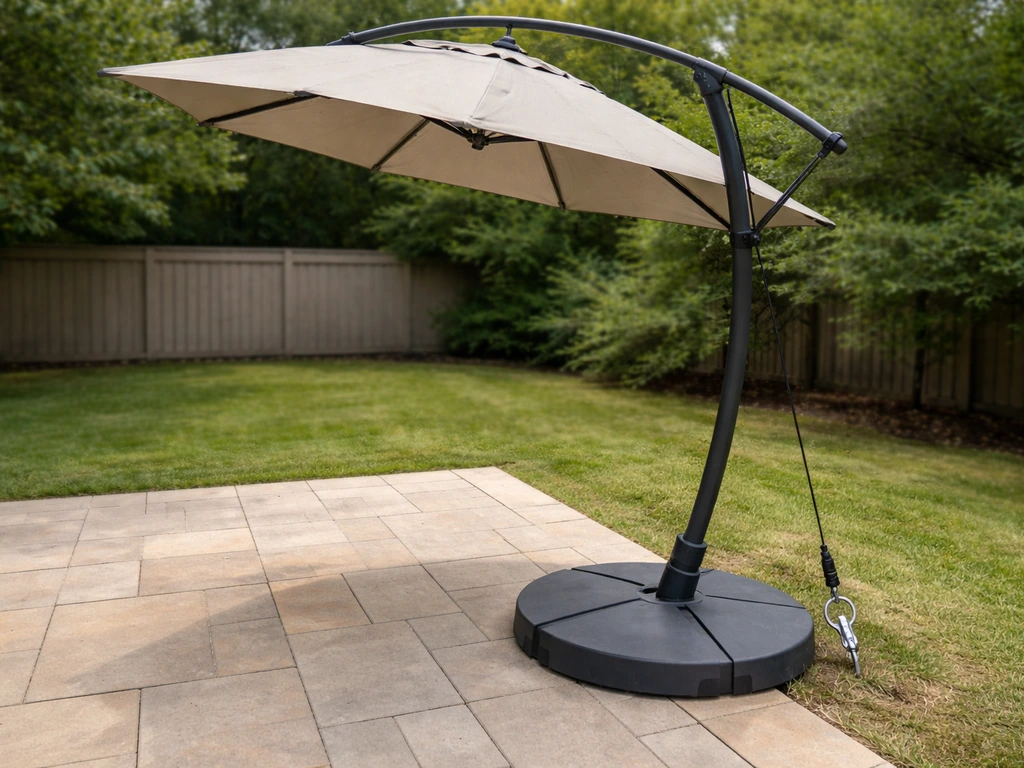
Step-by-step ways how to anchor a patio umbrella, secure bases, ground anchors, and wind troubleshooting for stable outd
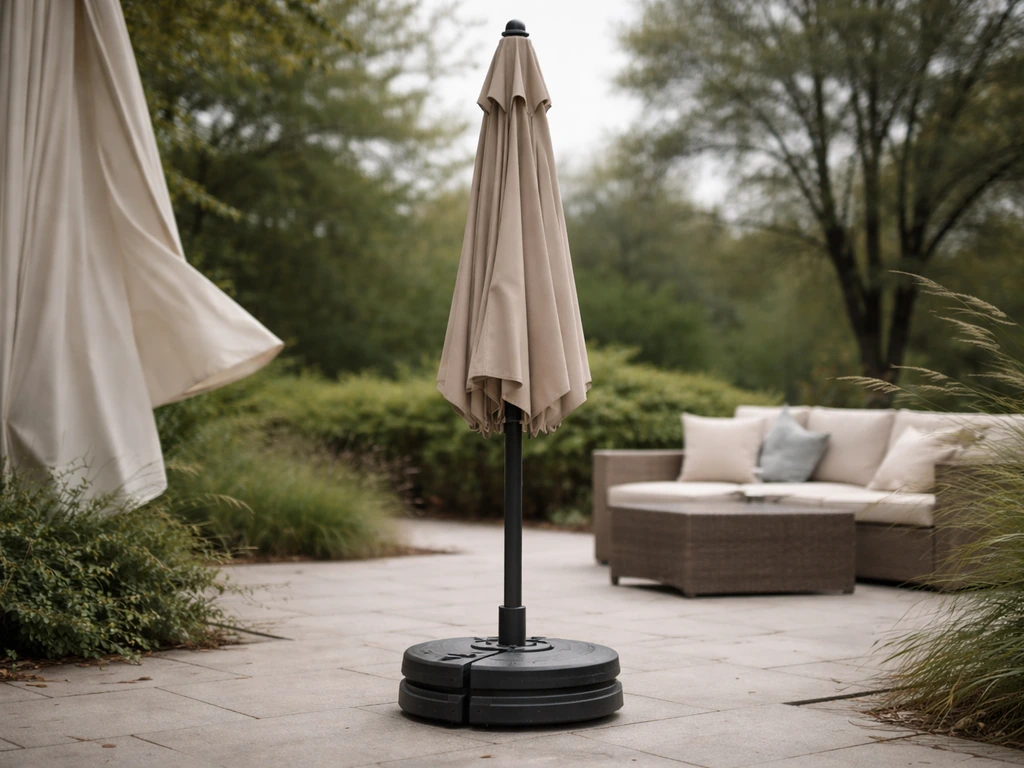
Step-by-step ways to weigh down a patio umbrella for wind stability, including base setup, add-on weights, and fixes.
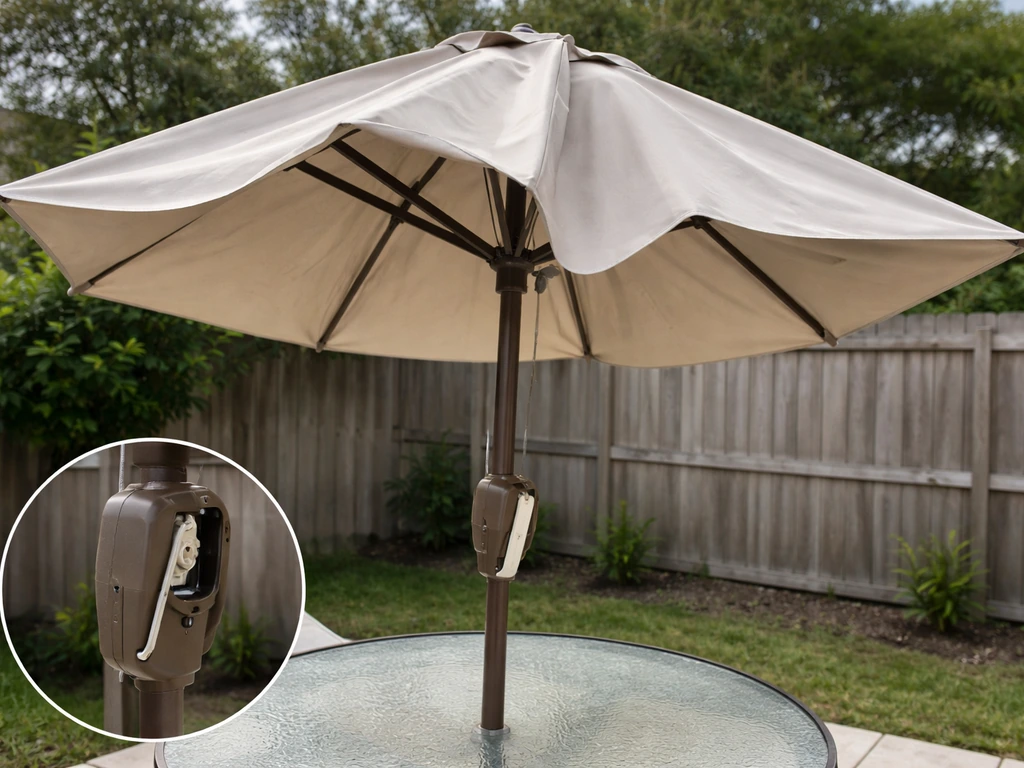
Step-by-step fixes for patio umbrellas that won’t open or close, with checks for jams, cords, latches, and lubricating t