Buying a patio umbrella comes down to five things: the right type for your layout, the right size for your space, construction quality that won't fall apart after one summer, a base heavy enough to keep it standing in a breeze, and features you'll actually use. Get those five right and you'll have an umbrella that gives you years of solid shade. Skip any of them and you're back at the store next July.
How to Buy a Patio Umbrella: Step-by-Step Guide
Luca Morrison
2 Jul 2026
Decide the Right Umbrella Type and Size for Your Patio
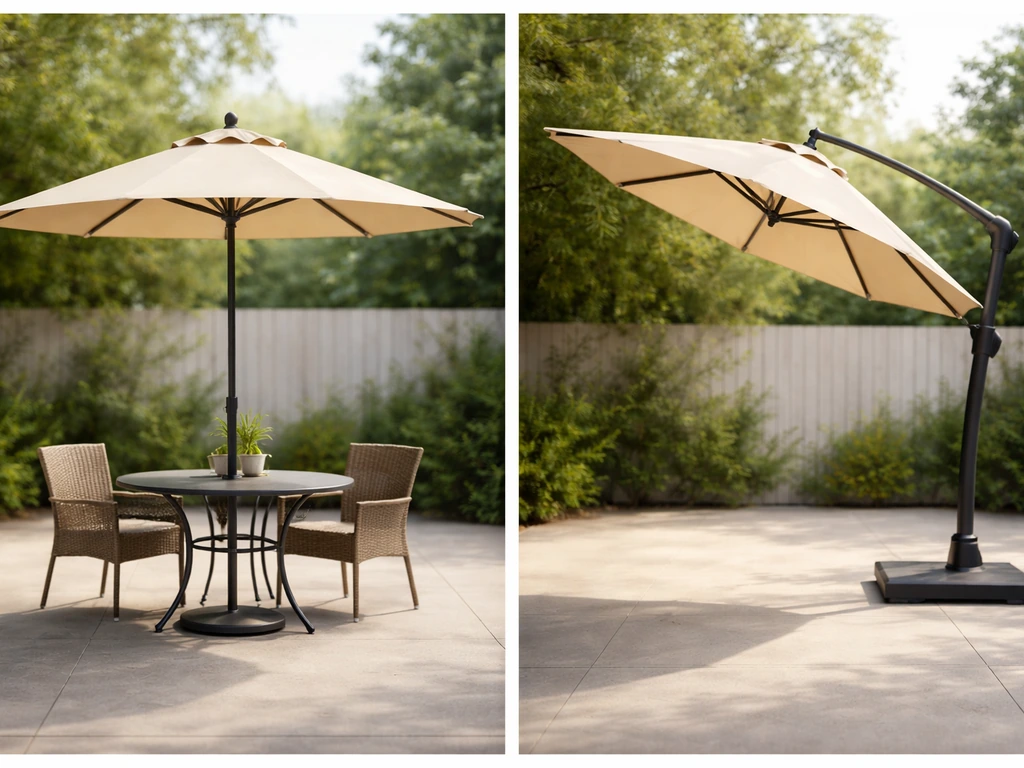
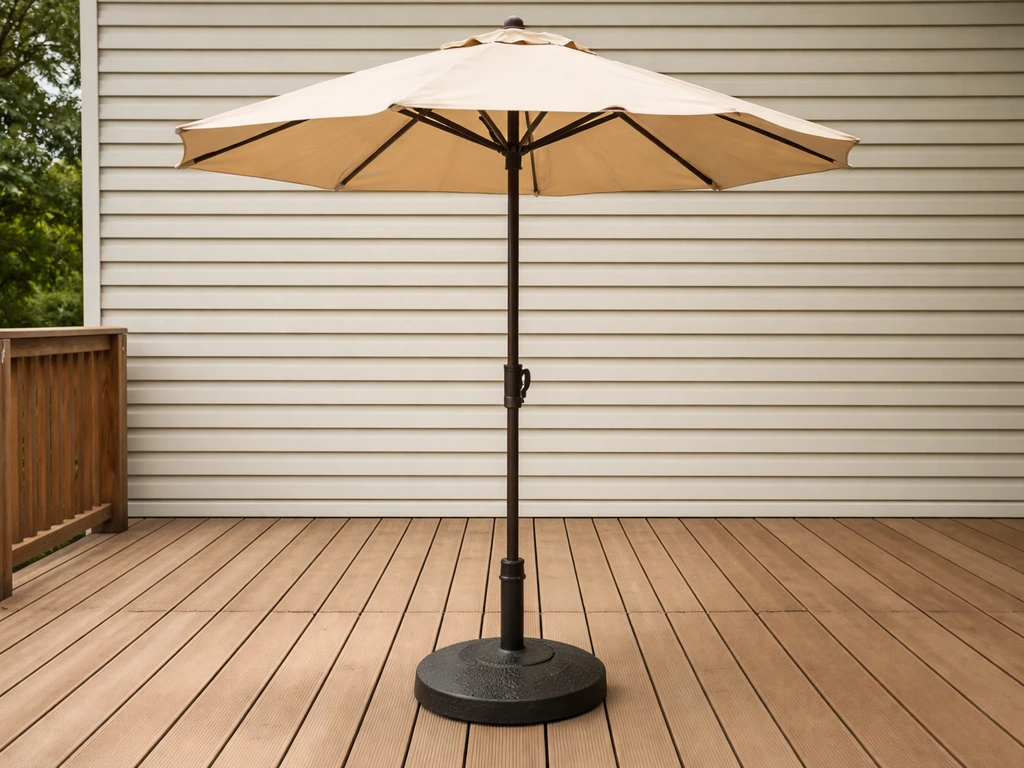
There are two main umbrella styles: the classic center-pole (market umbrella) and the offset/cantilever. A center-pole umbrella mounts through the middle of a table or into a freestanding base, puts the shade directly over the pole, and is generally more affordable and easier to maintain. An offset or cantilever umbrella hangs the canopy out to the side on an arm, which means zero obstruction at table height and total flexibility on placement. The tradeoff is cost and base complexity: because the canopy is offset from the support pole, the overturning force on the base is dramatically higher, so you need a much heavier base to stay safe.
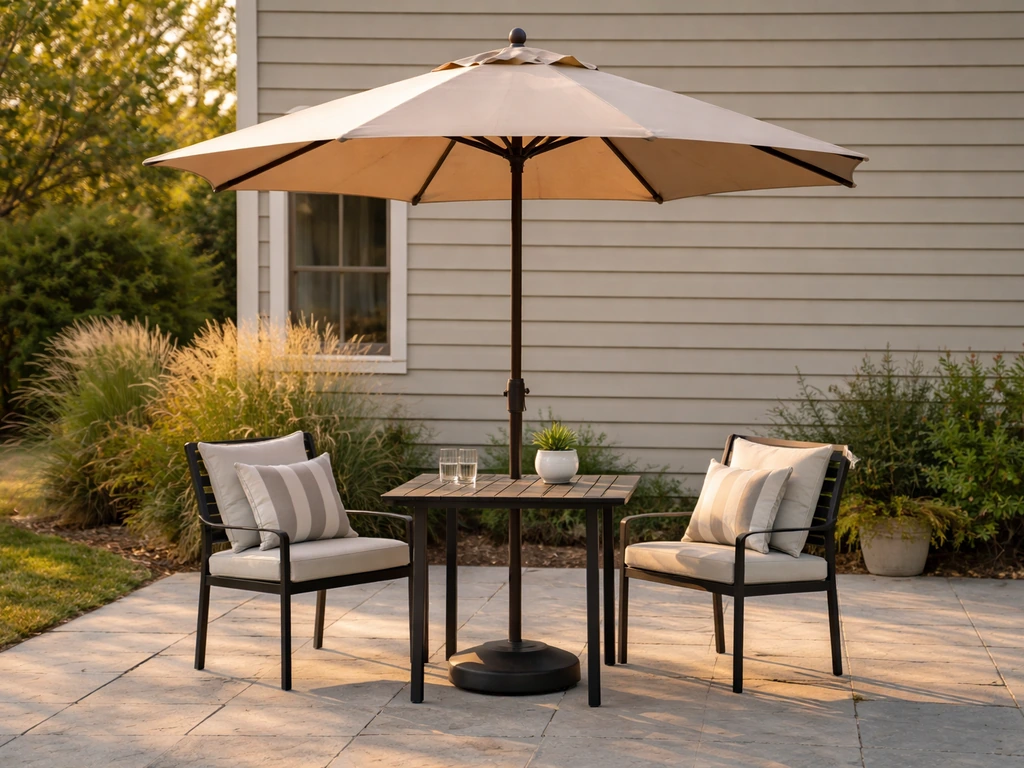
Once you pick the type, size is the next call. Standard patio umbrellas run from 6 to 11 feet in diameter, with 9 to 10 feet being the sweet spot for most patio tables. The rule of thumb that actually works: go 2 to 4 feet wider than your table's diameter.
If you are buying for a specific patio table, match the umbrella diameter to the table size and add a few feet of overhang for real coverage go 2 to 4 feet wider than your table's diameter. A 48-inch (4-foot) round table pairs well with a 7. 5 to 9-foot umbrella; a 60-inch (5-foot) table needs at least a 9 to 10-footer. That overhang is what keeps seated people in the shade, not just the tabletop.
For freestanding setups over a lounge area or sectional sofa, measure the footprint you want to shade and then pick an umbrella that covers it plus about 2 feet on each side, since canopies cast less shade as the sun angles. Cantilever umbrellas in the 10 to 13-foot range work well here because you can position the base away from the seating area entirely.
Choose Materials and Construction Quality That Won't Fail
The canopy fabric is where most cheap umbrellas cut corners first. Look for 100% solution-dyed acrylic, with Sunbrella being the most recognized brand in that category. Solution-dyed means the color goes into the fiber during manufacturing, not painted on top, so it genuinely resists fading and UV breakdown over years of sun exposure. Sunbrella backs this up with a 5-year limited warranty on their shade fabrics. Polyester canopies look fine on the shelf but fade visibly within a season or two and degrade faster under UV. If a price seems too good for the canopy size, polyester is usually why.
For the frame, aluminum is the best all-around choice for most homeowners: lightweight, rust-proof, and strong enough for most residential use. Steel frames are heavier and can be stronger, but unless they have a quality powder-coat finish they will rust at the joints and ribs over time. Wood (teak, eucalyptus) looks beautiful and handles heat well but needs more maintenance and isn't a great choice for humid or rainy climates without regular sealing. Fiberglass ribs are worth paying extra for because they flex under wind load instead of snapping, which is one of the most common mechanical failures on cheaper umbrellas.
Before you buy, look closely at the rib pocket seams and canopy stitching. Double-stitched seams at stress points (where ribs meet the canopy, where the hub attaches) are a sign of better construction. This matters because those are exactly the spots that take the most strain when the canopy catches wind or is opened and closed repeatedly.
| Material | Best For | Main Downside |
|---|---|---|
| Solution-dyed acrylic (e.g., Sunbrella) | Long-term UV resistance, color retention | Higher cost |
| Polyester fabric | Budget builds | Fades and degrades faster |
| Aluminum frame | Most residential patios, coastal areas | Can dent under hard impact |
| Steel frame (powder-coated) | Extra strength/durability | Can rust if coating chips |
| Fiberglass ribs | Wind-prone areas, frequent use | Adds to cost |
| Wood frame (teak/eucalyptus) | Aesthetics, dry climates | Needs seasonal maintenance |
Pick Key Features, Operating Style, and Extras
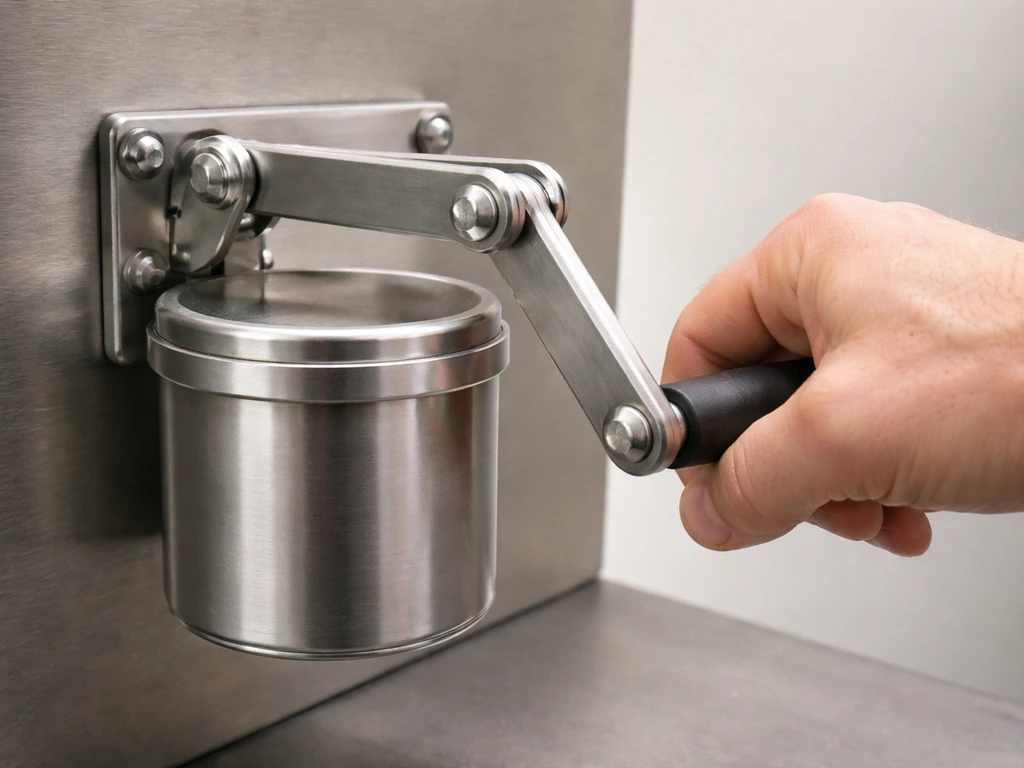
The opening mechanism is something you'll operate every single day, so don't treat it as an afterthought. Crank systems (the side-mounted handle you turn to raise and lower the canopy) are the most user-friendly and put the least stress on the internal cord and pulley because the mechanical advantage is consistent. Push-button or pull-cord systems are simpler and cheaper but put more sudden load on the cord, which is the component most likely to fray, snap, or unspool into the hub over time. If you're buying a mid-range or premium umbrella, a crank is worth it.
When you test the mechanism in-store or inspect it on arrival, it should feel smooth and consistent, with no grinding, slipping, or cord bunching. The internal cord is typically 3mm braided polyester; if the crank slips or the cord shreds instead of lifting the canopy, that's a seized pulley wheel, which is one of the most common repair calls. A good umbrella out of the box should never do this.
Tilt is almost always worth having. A manual tilt (push-button collar on the pole) lets you angle the canopy toward the sun as it moves across the sky, extending useful shade time by hours. Auto-tilt (built into the crank mechanism) is more convenient but adds more moving parts. For most people, manual push-button tilt is the right balance of simplicity and function. Check that the tilt locks firmly, because a tilt that drifts back to vertical when you release it is annoying and stresses the ribs.
Height matters more than most buyers realize. Standard center-pole umbrellas sit around 7 to 8 feet at the canopy edge when open. If you have a pergola, deck railing, or low overhang, measure the available vertical clearance before you buy. If you need help deciding the right umbrella size, start by answering how do you measure a patio umbrella for your table or seating area measure the available vertical clearance. Offset cantilevers need even more thought because the arm adds lateral reach and the base positioning can conflict with furniture.
LED string lights built into the ribs are a genuinely useful option if you use your patio in the evening. Solar-powered rib lights are maintenance-free and work well for ambient lighting. Avoid umbrellas where the lights are the only thing that sets the price premium though, since light quality varies and some have weak canopy fabric regardless.
Select a Reliable Base and Anchor System for Stability and Wind Safety
This is the area where homeowners most often underbuy. A good umbrella in an undersized base is a projectile waiting to happen. Placing your umbrella correctly on the patio matters for both comfort and stability, so confirm base location and clearance before you lock anything in place placement.
The general rule of thumb for freestanding bases: at least 20 to 30 pounds for a 6 to 7-foot umbrella, and at least 40 to 50 pounds for anything in the 7. 5 to 10-foot range. Offset/cantilever umbrellas need significantly more than that because of the overturning moment created by the offset load. Many cantilever bases are designed to accept additional ballast (sand or water fill) so you can add weight in place.
If your umbrella goes through a patio table, the table's weight contributes to stability, but it doesn't replace a proper base. If you are setting up a patio table umbrella, make sure the base fits snugly into the table’s center hole before you secure it table's center hole. Use a base that fits snugly in the table's center hole and follow the umbrella manufacturer's weight recommendations. Treasure Garden, for example, explicitly states in their manuals that using an appropriate base weight for the umbrella size is imperative, not optional.
On wind safety, the most important thing to understand is this: no base weight is a substitute for closing the umbrella in wind. [California Umbrella's own instruction manual specifies that the umbrella should always be closed and secured with a wind-tie in windy conditions. ](https://californiaumbrella. com/instructions/ATAF.
pdf) An open canopy in 20+ mph gusts creates massive lateral force that no residential base is rated to handle safely. Build the habit of closing and securing your umbrella whenever you leave the patio or a storm is coming, and you'll avoid the most common (and expensive) damage scenario.
If you do need to learn how to use a patio umbrella in the moment, the safest approach is to close it fully when conditions turn windy and secure it before you step away.
Budgeting and Where to Buy
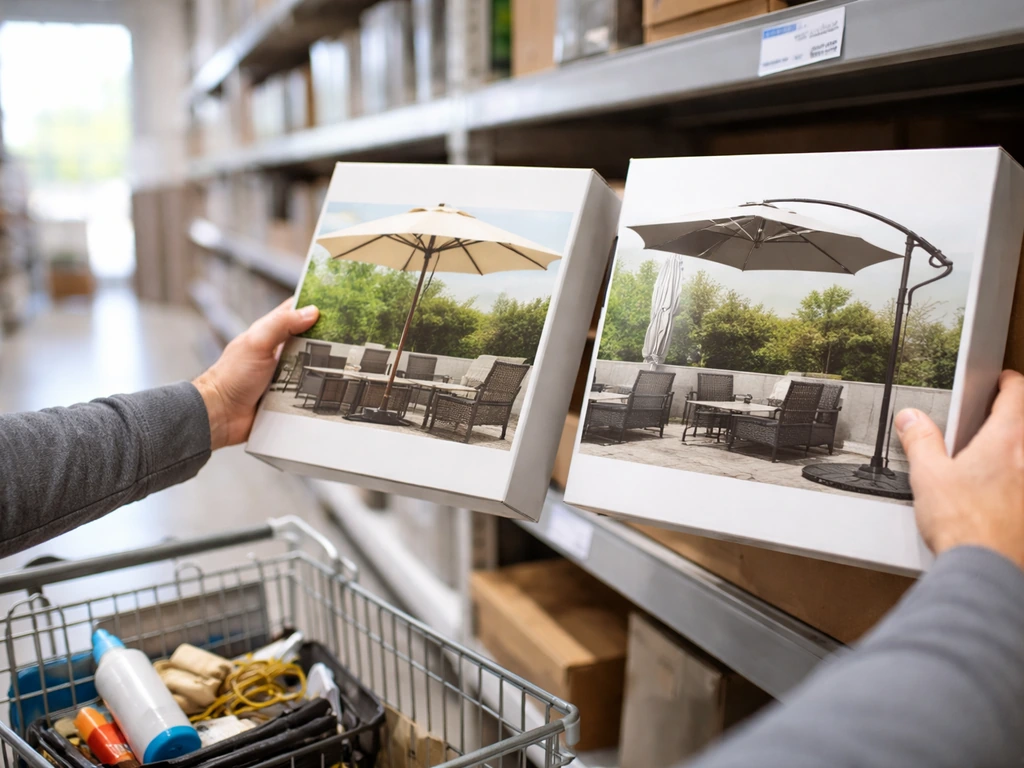
For a center-pole umbrella with a quality acrylic canopy, aluminum frame, fiberglass ribs, and a crank, budget around $150 to $350. A good freestanding cantilever setup (umbrella plus base) runs $400 to $900 for residential-grade quality. Below those price floors, the frame or fabric is usually compromised. Above them, you're mostly paying for design, brand name, or premium fabric grades.
Big-box stores like Lowe's and Home Depot carry solid mid-range options in-store during summer, which makes it easy to inspect the mechanism before buying and simplifies returns. Specialty outdoor retailers (both local and online) carry better construction quality and more options for replacement parts, which matters when you need a new cord or rib later. Amazon and Wayfair have wide selection but read reviews specifically about the crank and tilt mechanisms, not just the canopy appearance.
Used umbrellas can be a good deal if you can physically inspect them first. Check the cord condition (look for fraying at the pulley and hub), verify the crank turns smoothly, inspect every rib for cracks or bends, and look at the canopy seams closely. Faded fabric is cosmetic. A seized pulley, bent rib, or torn seam at the hub is a repair job on day one. If the seller can't show it opening and closing properly, pass.
On warranty: look for at least a 1-year frame warranty and a separate canopy warranty of 3 to 5 years if buying new. Sunbrella fabric carries a 5-year limited warranty. Before finalizing any online purchase, confirm the return window and whether the retailer accepts returns on opened outdoor furniture, since policies vary significantly.
Measure, Plan Setup, and Verify Compatibility Before You Buy
Before you click buy or load anything into a cart, take three measurements: your table's umbrella hole diameter (if applicable), the available vertical clearance on your patio, and the canopy footprint you need to shade. Most patio table umbrella holes are designed for a 1.5-inch or 2-inch pole, and most standard umbrella poles are around 1.5 inches (38mm) in diameter. If there's a mismatch, you need a reducer insert, which many tables include but not all bases do. Confirm this before buying.
Also check that the base you're considering accepts the pole diameter of the umbrella you're buying. It sounds obvious but mismatched pole-to-base sizing is a surprisingly common problem, especially when buying the umbrella and base from different brands. The internal diameter of the base collar needs to match the pole diameter, either directly or with an adapter.
For placement, think about sun angle, not just shade footprint. The sun moves roughly east to west and sits lower in the sky in the morning and late afternoon. A tilt mechanism helps compensate, but placing the umbrella where it can shade the primary seating area during peak hours (roughly 10 a.m. to 3 p.m.) is better than relying entirely on tilt. For more detail on placement strategy and what size you need for a specific setup, the articles on how to size a patio umbrella and where to place an umbrella on a patio are worth reading alongside this one.
Care, Maintenance, and Seasonal Storage to Make It Last
A quality umbrella can easily last 10 or more years if you maintain it. The single biggest thing you can do is close it when you're not using it. An open umbrella left out overnight catches dew, morning moisture, and any unexpected wind, all of which accelerate wear on the canopy fabric, stress the ribs, and work the cord and pulley constantly.
For cleaning, mild soap and water is the right tool for most jobs. Use a soft brush or sponge, scrub gently, rinse thoroughly, and then let the canopy air-dry completely before closing it. Folding a damp canopy is a reliable way to grow mildew in the folds. If you have stubborn stains on a solution-dyed acrylic canopy, a diluted bleach solution can work, but be aware that bleach strips the water-repellent finish from the fabric surface. If you use bleach, follow up by applying a fluorocarbon water repellent treatment (303 High Tech Fabric Guard is a commonly recommended product) after the canopy is fully dry. Avoid bleach entirely on polyester canopies.
If your patio is near the coast, rinse the canopy and frame with fresh water after heavy rain or salt air exposure. Salt accelerates corrosion on metal components and degrades fabric over time. This takes two minutes and makes a real difference.
Inspect the cord, pulley, and crank mechanism at the start of each season. Run the umbrella fully open and fully closed a few times and pay attention to how it feels. Smooth and consistent is good. Grinding, slipping, or cord bunching near the hub means something needs attention before it becomes a full repair. A worn cord costs a few dollars and 20 minutes to replace. A snapped cord mid-season is more annoying to deal with.
For seasonal storage, the ideal approach is to remove the canopy from the frame if possible, clean it, let it dry completely, and store both the canopy and the pole/frame in a dry covered space for winter. At minimum, use a quality umbrella cover to protect against moisture, UV, and debris during the off-season. Don't store the umbrella open, even under a cover. The combination of moisture and prolonged tension on the ribs shortens the life of both the fabric and the frame joints.
Once you've bought and set up your umbrella, the articles on how to set up a patio umbrella and how to use a patio umbrella cover the operational details step by step, including how to work tilt mechanisms, manage the cord system, and troubleshoot the common issues that come up in that first season of use. If you already have the umbrella and want the setup steps, the next section covers how to set up a patio umbrella from mounting and base placement to opening, tilting, and wind safety.
FAQ
How do I confirm my patio table umbrella hole will fit my new umbrella pole?
Most patio tables use a 1.5-inch or 2-inch umbrella pole hole, and many umbrella poles are about 1.5 inches (38mm). If the hole or pole diameter doesn’t match, you will need a reducer insert (sometimes included with the table, sometimes not). Measure both before buying the umbrella and base, especially if you mix brands.
What base weight should I use for a cantilever (offset) patio umbrella?
For a cantilever, base sizing is more about the overturning force than the umbrella diameter. Look for a base that lists the umbrella size range it is rated for, then confirm whether it supports additional ballast (sand or water fill). If you cannot add ballast or the base is under-specified, treat it as an unsafe choice.
Can I keep a patio umbrella outside year-round, and what changes if I can’t bring it in?
If you will leave it out in normal rain, choose a fabric that is solution-dyed acrylic and a frame finish that resists corrosion (powder-coated for steel, rust-proof for aluminum). If you do not have storage for winter, plan on using a breathable cover and drying the canopy fully before closing it, because trapped moisture accelerates mildew and wear.
Is it ever okay to leave a patio umbrella open under a cover?
No. Even with a cover, an open umbrella collects dew and trapped moisture, and it keeps ribs and the cord system under continuous tension. The article’s best practice is to close it when not in use, especially overnight or before storms.
How should I size a patio umbrella if I’m shading a seating area instead of a table?
If you need shade over a sectional or lounge area, first measure the seating footprint you want covered, then allow extra width for sun angle. For many setups, you can’t just match the table size, you need coverage plus about 2 feet on each side, then position the base so the arm clears nearby furniture and walkways.
What is the fastest way to tell whether a cheap patio umbrella will fade quickly?
A darker or more expensive look doesn’t always mean better UV performance. The key differentiator is canopy material and how it holds color under sun, solution-dyed acrylic typically outlasts polyester that often fades within a season or two. If the canopy is polyester, assume you will need replacement sooner.
What placement checks should I do before fully locking in the base location?
When you’re mixing an offset umbrella and furniture, the arm can create an awkward clearance issue at table height. Do a dry run: position the base where you want it, open the umbrella without locking it fully at first, then check that the canopy clears railing, prevents obstruction at seated height, and doesn’t block traffic paths.
What should I do if the opening mechanism feels rough or the cord bunches near the hub?
If the crank is grinding or the cord bunches near the hub, don’t keep using it until you inspect the pulley/cord assembly. A seized pulley wheel or damaged cord can turn a small fix into a mid-season repair. The simple decision rule, if it does not lift smoothly open and closed, stop and troubleshoot immediately.
Are built-in or solar LED lights worth it on a patio umbrella?
Yes, but only if the umbrella design supports it and the power method makes sense for your use. Built-in LED string lights can be useful for ambiance in the evening, solar lights reduce maintenance but can provide weaker output. Before paying a premium, check that the fabric and structure quality are good, not just the lights.
What used patio umbrella problems should I watch for that are worth walking away from?
If you buy used, treat the cord, hub, pulley area, and rib joints as the real risk points. A faded canopy is cosmetic, but frayed cords, bent ribs, and torn seams at stress areas mean repairs right away. If you cannot test opening and closing smoothly in person, skip the purchase.
How do I compare warranties and return policies when buying a patio umbrella online?
Confirm two separate warranty terms: one for the frame (often 1 year) and one for the canopy fabric (commonly 3 to 5 years). Also verify the retailer’s return window for opened outdoor furniture, since many stores treat opened items differently. On online purchases, this affects your risk more than the manufacturer warranty alone.
Next Articles
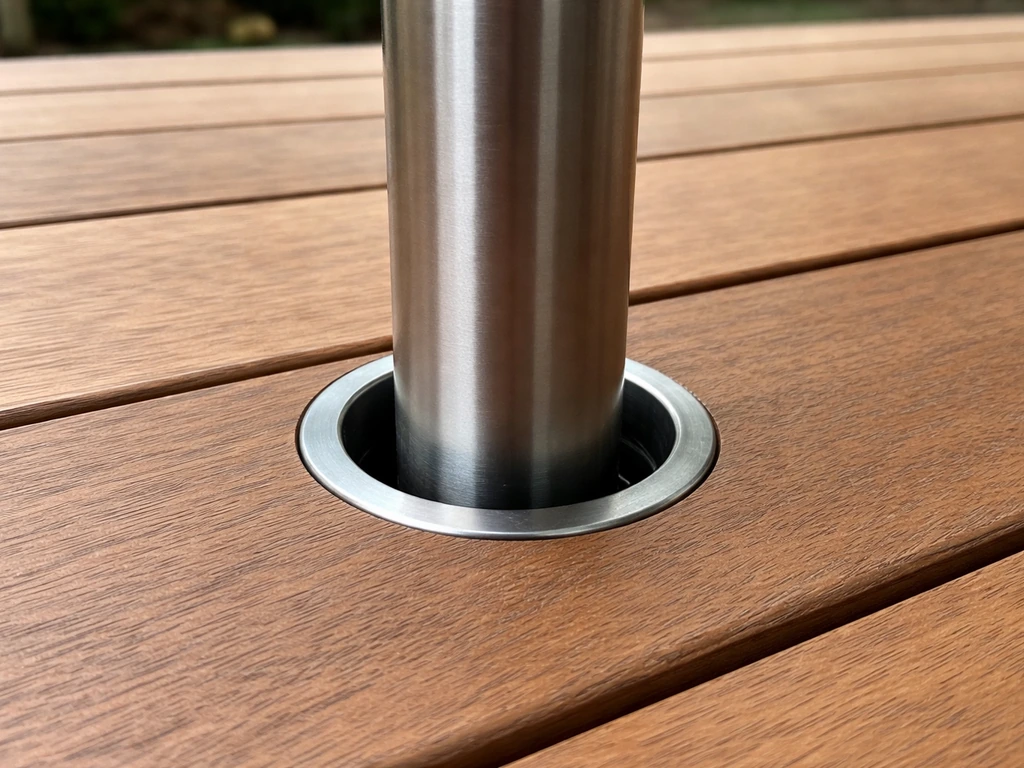
What Size Hole for Patio Umbrella Pole Fit and Drill Guide
Measure umbrella pole diameter then drill the right patio mount hole size for a snug, wobble-free fit.
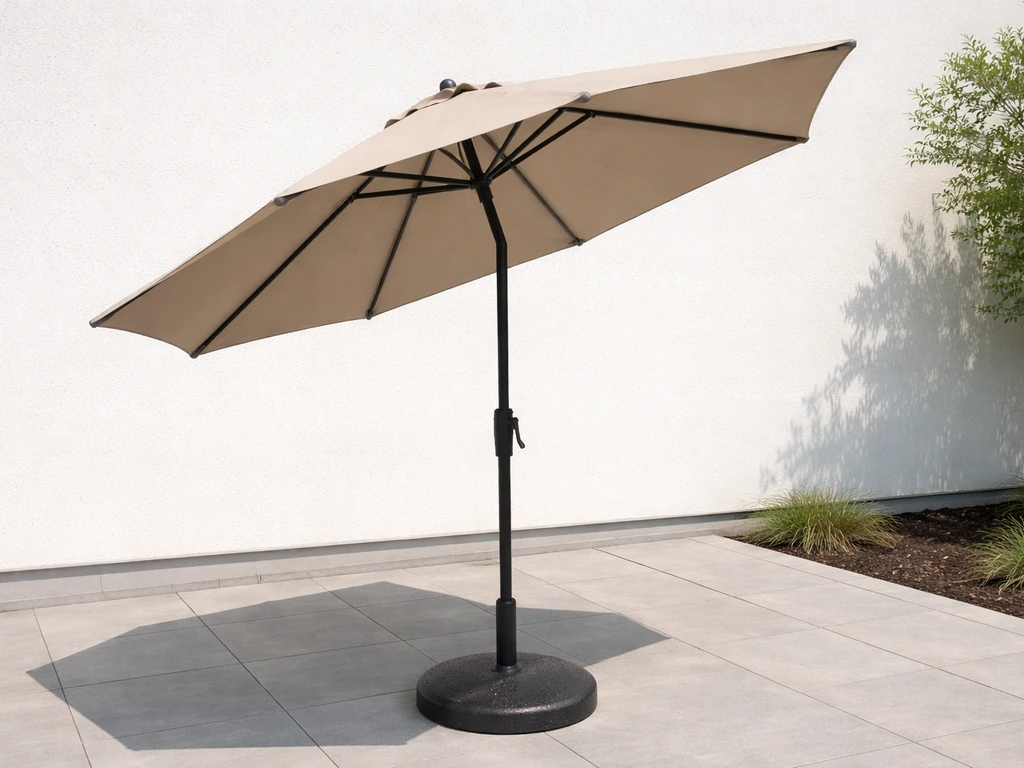
How to Use a Patio Umbrella: Setup, Tilt, and Safety
Step-by-step how to use a patio umbrella: assemble, open close, tilt setup, fix crank issues, and ensure wind-safe stabi
How to Hold Up a Patio Umbrella Without a Table
Step-by-step ways to hold a patio umbrella upright without a table, with bases, setup, troubleshooting, and maintenance.