
If your patio umbrella is stuck in a tilted position, the fix is almost always one of three things: the tilt button is jammed and won't fully press or release, the internal linkage or cord is under tension and binding the mechanism, or corrosion and grime have frozen the pivot point. If you also suspect the base is the culprit, see patio umbrella stuck in base for how to check the stand and anchoring points. In most cases you can free it in under 30 minutes without replacing anything.
Patio Umbrella Stuck in Tilt Position: Fix the Button

Luca Morrison
29 Apr 2026
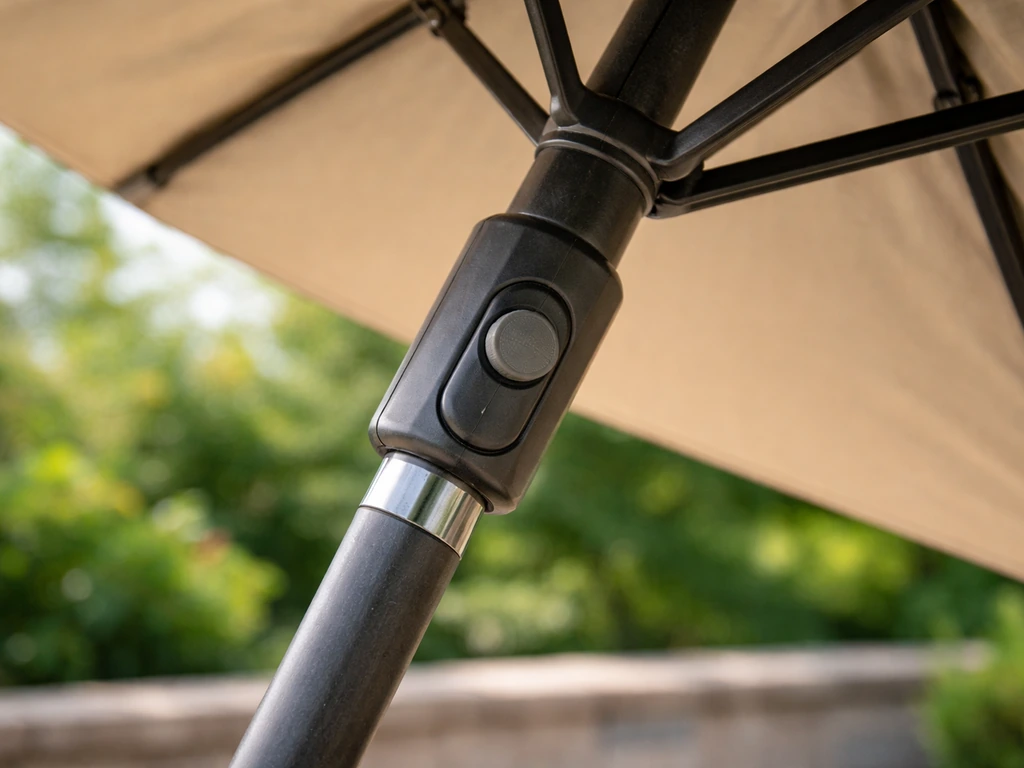
Quick diagnosis: what 'stuck in tilt' usually means
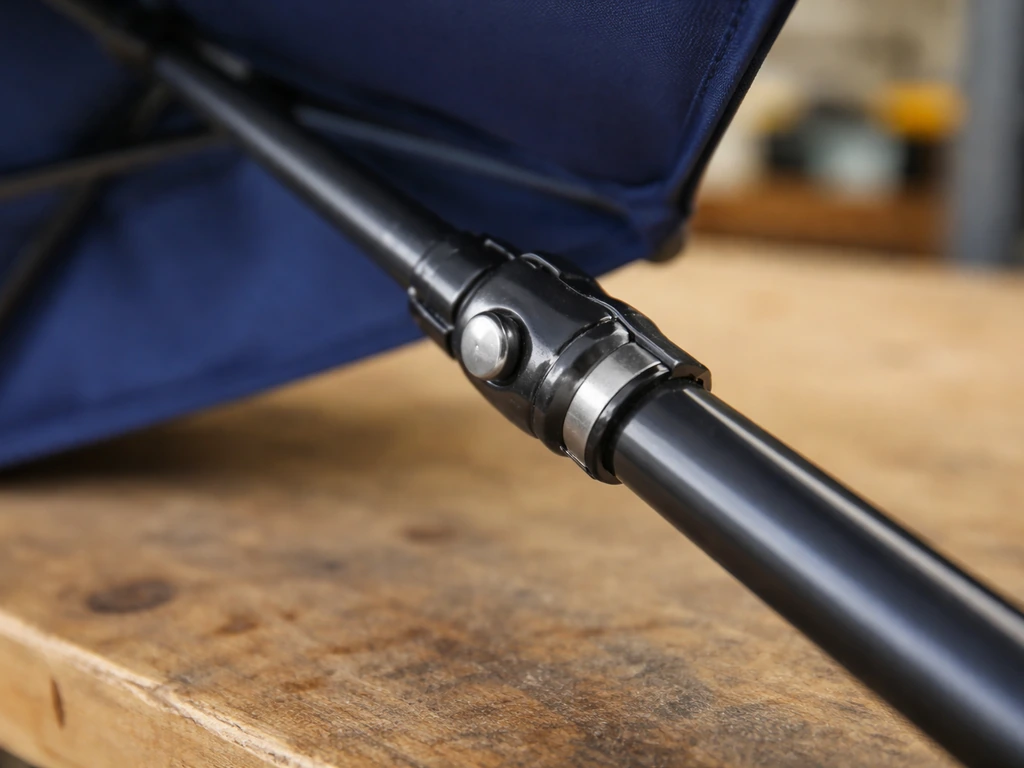
Before you start prodding at hardware, take 60 seconds to figure out which kind of stuck you're actually dealing with. The symptom feels the same from the outside but the root cause can be completely different depending on your umbrella's tilt system.
Most market umbrellas use one of four tilt designs: a push-button lock (the most common), a collar tilt (a striped ring above the crank handle you press down), a crank-driven auto-tilt (the tilt moves as you keep cranking past the fully-open position), or a trigger/handle release (you squeeze a handle trigger and guide the canopy). Each one fails differently.
| Tilt Type | How to Spot It | Most Common Stuck Cause |
|---|---|---|
| Push-button | Small button on the pole below the hub; press to release tilt lock | Button jammed by debris, corrosion, or a fatigued spring |
| Collar tilt | Striped or ribbed ring above the crank handle; depress collar to move canopy | Collar seized from corrosion or debris packed into the groove |
| Crank/auto-tilt | Canopy tilts as you crank past fully-open; no separate button | Cord/gear bind, stripped gears, or crank spinning free without engaging |
| Trigger/handle release | Squeeze a trigger on the handle, then slide or guide the canopy | Trigger spring failure or linkage rod stuck mid-travel |
The most common failure points regardless of type: frozen pivots from corrosion or packed dirt, a stripped or bent locking pin inside the push-button housing, cracked plastic housing from UV exposure or water freezing inside the mechanism, and spring fatigue that leaves the pin halfway engaged so it neither locks nor releases cleanly. If your crank spins freely without raising or lowering anything, that's a separate cord or gear issue. And if the umbrella won't close at all even after the tilt frees up, that's a related but distinct problem worth its own attention. If your patio umbrella will not close, it usually means the tilt lock or release is still binding and needs the same troubleshooting steps as a stuck tilt patio umbrella won't close.
Safety first: stabilize the umbrella before you touch the mechanism
A tilted, stuck umbrella is basically a wind sail on a pole. Before you start pressing buttons or pulling at linkages, get the umbrella under control so it can't swing, tip, or snap back on your hands.
- Move to a calm area or wait for low-wind conditions. Never work on a stuck tilt mechanism when it's gusty. A canopy that suddenly frees itself can swing hard.
- If the umbrella is freestanding in a base, check that the base is weighted and stable. Add sandbags to the base arms or use a bungee cord tied to a nearby structure if it feels wobbly.
- Ask a helper to hold the canopy steady while you work the mechanism. This is especially important for large 9-foot or 11-foot canopies that have real leverage on the pole.
- Never try to force the canopy closed while it's still tilted. Multiple manufacturers are explicit about this: always return the canopy to the upright (horizontal) position before closing. Forcing it closed while tilted is how you crack housing, strip pins, and bend linkages.
- Protect your fingers. Tilt mechanisms can snap back with real force when they finally release. Keep your fingers to the sides of buttons and collars, not directly in the pinch zone.
Freeing a stuck tilt button: step-by-step reset
This section covers the push-button style specifically, since it's the most common and the most frequently jammed. The standard operating instruction from most manufacturers is simple: press the tilt button with one hand and gently guide the canopy with the other. When it's stuck, you need to deal with whatever is stopping that button from traveling fully before you try to move anything.
Step 1: Clear the button area first
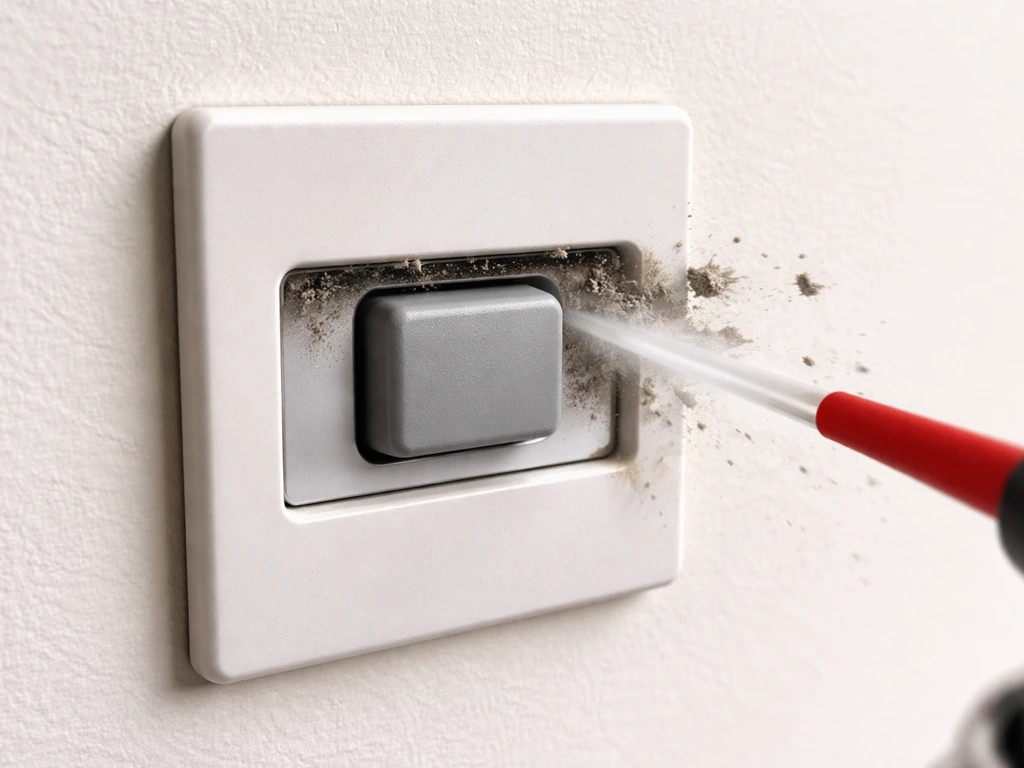
Dirt, spider webs, and dried debris pack into the button housing over a season and physically prevent the button from pressing in far enough to release the lock. Start here before assuming the mechanism is broken. If you cleared the button area and the pivot still won't move, the tilt mechanism may be broken and require further inspection or parts replacement patio umbrella tilt mechanism broken.
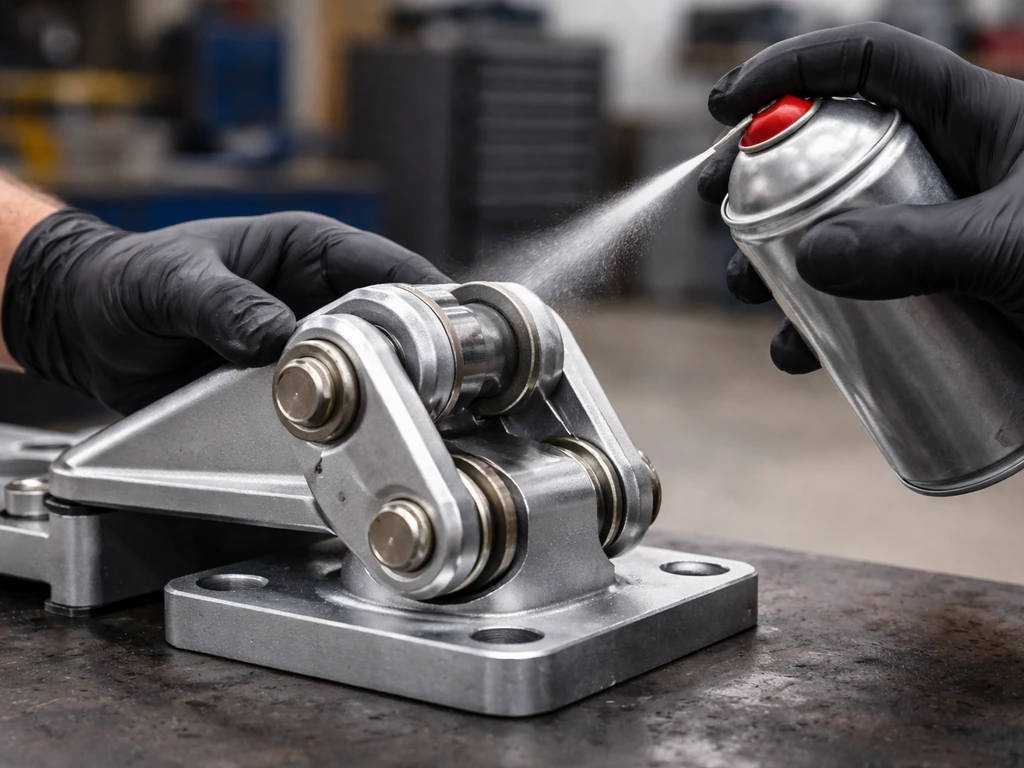
- Blast the button and the slot around it with compressed air. Hold the can about 2 inches away and work around the full perimeter of the button. You're trying to dislodge packed grit.
- Follow with a dry brush (an old toothbrush works perfectly) to scrub any visible debris from the button housing.
- Try pressing the button again. Press it firmly and fully, straight in, not at an angle. If it travels farther now, that was your problem.
Step 2: Address corrosion on the button pivot
If the button still feels stiff or gritty after cleaning, light corrosion on the pivot shaft is likely the culprit. Don't reach for the WD-40 blue can (that's a water displacer, not a lubricant, and it leaves a residue that attracts more dirt). Instead, use this sequence:
- Dampen a cloth with plain white vinegar and hold it against the button housing for 2 to 3 minutes. Vinegar breaks down light surface rust and mineral deposits.
- Rinse the area with clean water and dry it thoroughly. Do not skip the rinse. Vinegar left to sit will accelerate corrosion.
- Apply a small amount of silicone-based spray lubricant directly around the button shaft. Silicone lubricant is the right choice here because it doesn't attract dust or debris the way oil-based products do. A product like WD-40 Specialist Water Resistant Silicone Lubricant is a solid option.
- Work the button in and out gently a few times to distribute the lubricant, then try the full tilt release again.
Step 3: Attempt the tilt reset
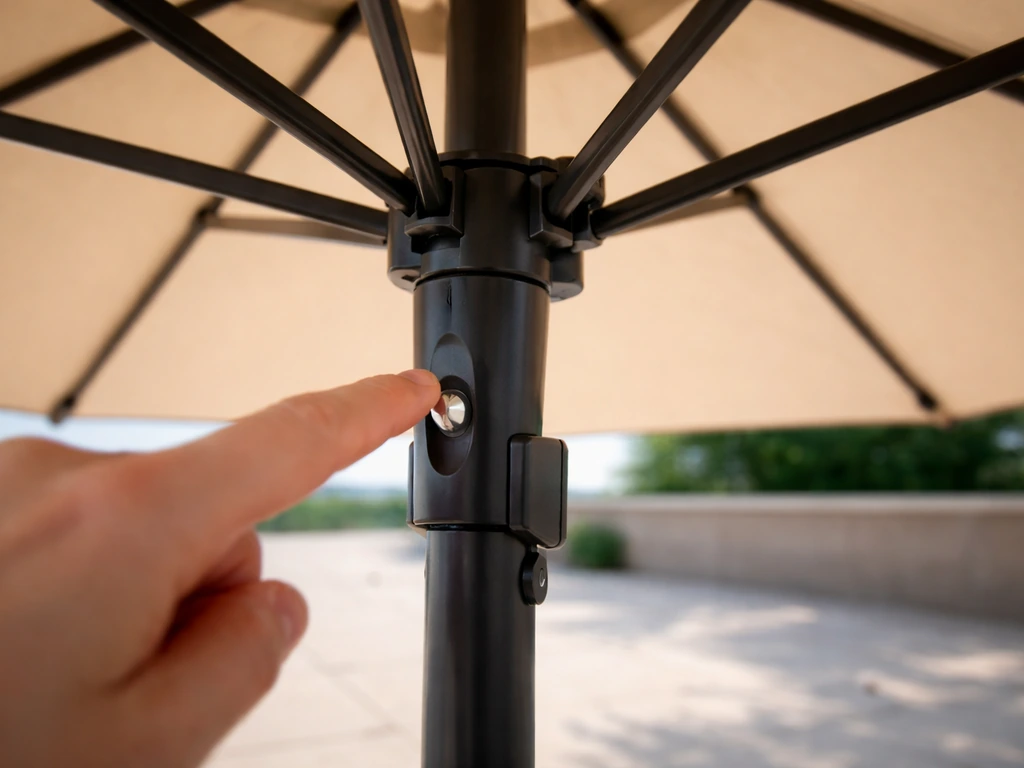
Once the button is moving more freely, here's the correct reset sequence. This is pulled from California Umbrella's own instructions and applies broadly to most push-button designs: California Umbrella’s instruction PDF provides the exact push-button tilt reset sequence, which can help you restore full button travel and proper locking This is pulled from California Umbrella's own instructions and applies broadly to most push-button designs:.
- Make sure the umbrella is fully open (canopy fully spread). Do not attempt to reset the tilt when the canopy is partially closed.
- Press and hold the tilt button with one hand. Keep steady, even pressure. You're releasing the internal lock pin.
- With your other hand (or with a helper), gently guide the main frame upward toward the upright position. Move slowly and let the mechanism travel rather than pushing through resistance.
- Once the canopy reaches the upright (horizontal) position, release the button. You should hear or feel a small click as the lock pin re-engages in the upright detent.
- Test the tilt by pressing the button again and gently angling the canopy to a new position, then back to upright.
If you have a collar tilt umbrella, the reset logic is the same but the release control is different: depress the collar (press it down firmly), then guide the upper pole portion toward upright, then release the collar to lock it. If you have a trigger/handle release design, squeeze the trigger handle, slide the handle to guide the canopy upright, then release.
When the button won't budge: cords, cranks, and tension issues
Sometimes the button itself is fine but there's so much mechanical tension in the tilt system that the lock pin physically cannot release. This is common after a canopy has been left tilted in wind, or when a crank-based tilt mechanism is bound mid-stroke. Here's how to work through it.
Relieve tension before pressing the button
The tilt lock pin sits in a detent groove on the pole. When the canopy is under load (wind pressure, a twisted canopy, or the weight of the fabric pulling one direction), that load presses the pin hard against the edge of the detent and you cannot push the button in far enough to clear it. The fix is to take the load off first.
- Have a helper gently support the canopy from below, taking the weight off the tilt joint. You want to eliminate any bending or rotational force on the mechanism.
- Try pressing the button while the canopy weight is fully supported. Even a small reduction in load on the pin can allow it to release.
- If the canopy fabric is twisted or the ribs are binding against each other, straighten the fabric first. Twisted canopy fabric adds torque to the pole and loads the tilt lock.
- For crank-based tilt systems: try cranking the crank handle slightly in both directions (a quarter turn each way) while pressing the tilt release. This micro-movement can take the bind off an over-tensioned cord.
Inspect the cord and pulley path
Auto-tilt and crank-tilt systems use an internal cord (sometimes called a string or cable) that runs through the pole and over a spool or pulley to transfer motion from the crank to the upper pole section. If this cord is frayed, kinked, or has jumped off its pulley track, the tilt will feel jammed even though the button or release is working fine. If your crank spins freely without any resistance, that's a strong sign the cord has snapped or detached, which is a separate repair.
To check the cord, you'll need to get eyes on the hub area, which means some disassembly. Skip ahead to the disassembly section below if you're at this point.
Check for obstructions in the tilt joint
The tilt joint (the point where the upper and lower pole sections connect and pivot) can collect leaf debris, small stones, or even hardened insect nests. Shine a flashlight into the joint area and look for anything physically blocking the pivot from moving. Use compressed air and a thin brush to clear it out.
Disassembly and inspection for jammed or warped parts
If cleaning, lubrication, and tension relief haven't freed the tilt, it's time to open up the mechanism and look at the components directly. This sounds intimidating but for most push-button and collar tilt umbrellas it involves removing a few screws and pulling the hub section apart. Brands like Treasure Garden publish specific rib and hub disassembly instructions for their collar, auto, and push-button series, so check your brand's website for a model-specific guide before proceeding.
What you'll need
- Phillips head and flathead screwdrivers
- Needle-nose pliers
- A small container to hold screws and small parts
- Compressed air
- Silicone spray lubricant
- White vinegar and clean rags
- A phone or camera to photograph the assembly before you take it apart
Disassembly steps
- Photograph the hub and tilt mechanism from multiple angles before touching anything. This is your reassembly reference and it takes 30 seconds.
- Lay the umbrella flat on a clean surface (a picnic table or a pair of sawhorses works well). This prevents the canopy from flopping around and gives you a stable work surface.
- Locate the screws or retaining pins that hold the hub housing together. On most push-button designs there are two to four Phillips screws around the hub body. Remove them and keep them in your container.
- Carefully separate the hub halves. Don't force them apart. If they resist, look for a hidden clip or an additional screw.
- Inspect the tilt button spring. This is the most common failure point: a small coil or leaf spring that's supposed to push the button back out after you press it. If the spring is flattened, bent, or has popped out of its seat, the button won't return to its locked position and the mechanism will feel 'stuck.' Reseat the spring or replace it (most hardware stores carry small coil springs in the right size range).
- Inspect the locking pin. This is the metal rod or post that actually slides into the detent groove on the pole to hold the tilt position. Look for bending, corrosion buildup on the tip, or a cracked housing that's preventing the pin from traveling its full stroke. Light corrosion on the pin tip: clean with vinegar, rinse, dry. Bent pin: straighten carefully with pliers or replace.
- Inspect the linkage or guide rails if your umbrella has a crank-tilt or auto-tilt. Look for a cord that's jumped off its track, a frayed segment, or a small roller that's come out of its channel. If the cord is frayed more than halfway through its diameter, plan to replace it rather than re-route it.
- Clear all debris from inside the hub housing with compressed air and a dry brush.
What warped or cracked plastic housing looks like
UV exposure and freeze-thaw cycles (water gets inside the housing, freezes, and expands) are the two main causes of cracked tilt button housings. You'll see hairline cracks radiating from the screw holes, or a housing half that no longer sits flush. A cracked housing can prevent the button from aligning properly with the pin, which makes it feel stuck even when the internal parts are fine. If the crack is minor, you can use a two-part epoxy rated for outdoor plastic as a temporary fix. If the housing is badly cracked or warped, replacement hub kits are available for most major brands.
Reassembly, lubrication, and function testing
Once you've cleaned, inspected, and corrected whatever was jammed, here's how to put it back together and confirm it's actually working before you call the job done.
- Make sure every internal surface is completely dry before reassembly. Moisture trapped inside a hub housing is how you end up back here next season.
- Apply a light coat of silicone spray lubricant to the button shaft, the locking pin, and the pivot surface inside the hub housing. A thin coat is all you need. Wipe off any excess with a dry cloth so you're not leaving a gummy buildup that will attract dirt.
- Do not use oil-based lubricants, petroleum jelly, or standard WD-40 on these parts. Oil-based products attract and hold dust and grit, which will re-bind the mechanism faster than if you'd left it dry.
- Re-seat the spring in its housing slot before closing the hub halves. This is the step people most often skip and then wonder why the button still feels wrong.
- Line up the hub halves using your earlier photos as a reference. Finger-tighten all screws before snugging any of them down fully. This lets you make alignment adjustments before everything is locked.
- Tighten screws in an alternating pattern (like tightening lug nuts) rather than fully tightening one side before the other. This keeps the housing from warping.
- Function test before putting the umbrella back in service. With the umbrella lying flat, press the tilt button and confirm it travels fully in and springs back fully out. Then stand the umbrella up, open the canopy fully, and perform the full tilt cycle: press the button, guide the canopy to a tilted position, release, confirm it holds. Then press again, return to upright, release, confirm it locks in the upright position.
- Close the umbrella to verify the canopy returns to fully upright before closing. Remember: never close the umbrella while it's still in the tilted position.
Keeping the tilt from getting stuck again
Most stuck tilt mechanisms are the result of deferred maintenance plus one bad season. A few simple habits will prevent the majority of repeat problems.
Operate it gently, every time
The single most important habit is also the one people most often ignore: always press the button fully before moving the canopy, and always move the canopy gently rather than shoving it. Every manufacturer who publishes instructions for push-button tilt systems uses the word 'gently' in the operation steps. That's not just polite language. Forcing a canopy against a partially engaged lock pin is what bends pins and cracks housings. It takes about three seconds to do it correctly.
Close it upright, every time
Before closing your umbrella, always return the canopy to the fully upright (horizontal) position first. Closing a tilted umbrella binds the fabric and the ribs against the closing mechanism in ways the design can't handle, and it loads the tilt joint with forces it's not built for. This single rule, followed consistently, prevents a large percentage of the stuck-in-tilt problems people encounter.
Clean and lubricate at the start and end of each season
At the beginning of the season (when you bring the umbrella out of storage) and at the end (right before you store it), do a quick maintenance pass on the tilt mechanism. Blast it with compressed air to clear any debris that accumulated or was brought in from storage. Then apply a light coat of silicone spray lubricant to the button shaft and the tilt pivot. This takes about five minutes and prevents the majority of corrosion-related stuck mechanisms.
Wind and weather habits
Leaving a tilted umbrella open in wind is one of the fastest ways to damage the tilt mechanism. A tilted canopy catches significantly more wind load than one in the upright position, and that load drives directly into the tilt joint and lock pin. Return the canopy to upright before any extended period of unattended use, and close the umbrella entirely when conditions become gusty. If you're in a consistently windy area, make sure your base is properly weighted, since an umbrella that tips over while tilted can crack the tilt housing on impact.
Seasonal storage and winterizing
Before storing the umbrella for winter, clean the tilt mechanism as described above, apply fresh silicone lubricant, and store the umbrella in the upright (non-tilted) position. Storing it tilted keeps the spring under partial compression and can contribute to spring fatigue over multiple seasons. Also pull any loose canopy fabric away from between the ribs before closing fully so fabric doesn't get trapped and create a bind point when you open it next spring. Store the umbrella in a protective cover or indoors if possible. Water that gets into the tilt button housing and freezes is what cracks housings, so keeping moisture out during winter storage is one of the most effective prevention steps you can take.
If after all of this the tilt mechanism still doesn't work correctly, the next step is identifying whether you need a replacement hub/tilt kit (available from most major brands for $15 to $40) or whether the pole itself is bent or cracked at the tilt joint. A bent pole section at the tilt joint typically means the umbrella took a hard tip-over at some point, and that's usually a full-pole or full-umbrella replacement situation rather than a repair. But for the large majority of stuck tilt problems, what's described above will get you back in business today.
FAQ
How can I tell if the stuck tilt is more about the button or about the internal cord/linkage?
If the button press feels normal and you can hear or feel the lock pin moving, but the canopy will not change position, suspect the cord/pulley or linkage. If the button will not travel fully or feels gritty only in one tilt direction, suspect the button housing, pivot shaft, or lock pin detent. A quick test is to dry-cycle the tilt several times with the canopy unloaded, if it improves when the canopy is held upright, the detent load was the blocker.
What should I do if the button won’t release even after I remove wind load and clean the button area?
Stop forcing it, then check for a partially engaged spring pin. You may need to relieve the load again while gently wiggling the canopy upright, then press the button once the pin aligns with the detent groove. If you still cannot get full button travel, the locking pin, spring, or housing alignment may be damaged, and disassembly is the safest next step.
Is it safe to lubricate a stuck tilt with WD-40 or similar sprays?
Avoid WD-40 as your primary solution. It can displace moisture, but it leaves residue that attracts dirt and can make the jam worse. For pivots and shafts, use a light silicone spray or a manufacturer-recommended dry lubricant, then wipe off any excess so it does not collect grime inside the button housing.
How do I prevent cracking a tilt hub if I need to open it for inspection?
Use small, controlled force and remove only the screws called for on your specific hub. Support the hub halves while separating them so the plastic housing is not twisted. If the hub is stuck from corrosion, soften the grime with cleaning first, do not pry directly on the thin sections around the screw holes.
My crank spins, but the canopy never tilts. What does that usually mean?
If the crank spins freely without moving the upper pole, the cord is likely detached, jumped off the spool, or snapped. Check the cord path and pulley seating during disassembly, look for kinks or fraying near the hub, and replace the cord if it is visibly damaged rather than trying to re-tie or re-route it.
What if the umbrella is stuck in tilt and I can’t safely get it upright to relieve load?
First, secure the canopy so it cannot swing, then stabilize the pole by holding it firmly near the base and keeping hands away from pinch points at the hub. Work slowly, use gentle lifting or counter-tension rather than jerking. If it still will not move, stop and consider professional service, because forcing can bend the pole at the tilt joint.
Can I use epoxy to fix a cracked tilt button housing permanently?
Epoxy is best treated as a temporary fix when the crack is minor and the housing still seats flush. If the housing is badly warped, the button alignment will remain off and the lock pin may not engage correctly. In that case, a replacement hub or tilt kit is usually the reliable solution.
Do I need to replace the whole umbrella if the tilt joint is bent after a tip-over?
Not necessarily, but a bent pole section at the tilt joint often indicates structural damage. In most cases it requires replacing the affected pole or the full umbrella depending on the brand and part availability. If the hub can be aligned correctly and the tilt mechanism operates smoothly after inspection, you can avoid replacement, but if the pivot geometry is off, replacement is the safer route.
How often should I do the maintenance pass on the tilt mechanism to avoid repeat jams?
At minimum, do a compressed-air clean and silicone lubrication at the beginning of the season and right before winter storage. If you live in a dusty, coastal, or insect-heavy area, add a quick mid-season check (a one-minute air blast and visual pivot inspection) because debris buildup is a common cause of “suddenly” stuck tilt.
Why does closing the umbrella sometimes make the tilt jam worse?
Closing while tilted can bind the fabric and ribs against the closing mechanism, which can keep the lock pin under load or twist the joint slightly out of alignment. Make sure the canopy is fully upright (horizontal) before initiating closing, and keep fabric away from the ribs so it does not create a bind point.
Next Articles
Patio Umbrella Will Not Close: Troubleshooting Fixes
Step-by-step fixes for a patio umbrella stuck open or won’t close, including binding, cord, crank, lock, and tension che
Patio Umbrella Stuck in Base: Fix It Safely Today
Fix a patio umbrella stuck in the base with safe steps for jammed crank, tilt, rust, pins, and proper reassembly.
Patio Umbrella Problems: Diagnose and Fix Common Failures
Step-by-step fixes for patio umbrella problems: diagnose crank, cord, tilt, wobble, and wind/base issues fast, safely.