
You can waterproof a patio umbrella today with a fabric-specific DWR (durable water repellent) spray like 303 Fabric Guard or Scotchgard Outdoor Water Shield. Clean the canopy thoroughly, let it dry completely, apply the spray in even passes, hit the seams and edges with a second coat, then let it cure for 24 to 72 hours before testing with a hose. Done right, water should bead and roll off rather than soaking in or dripping through.
How to Waterproof a Patio Umbrella Today Step by Step
Luca Morrison
30 Jun 2026
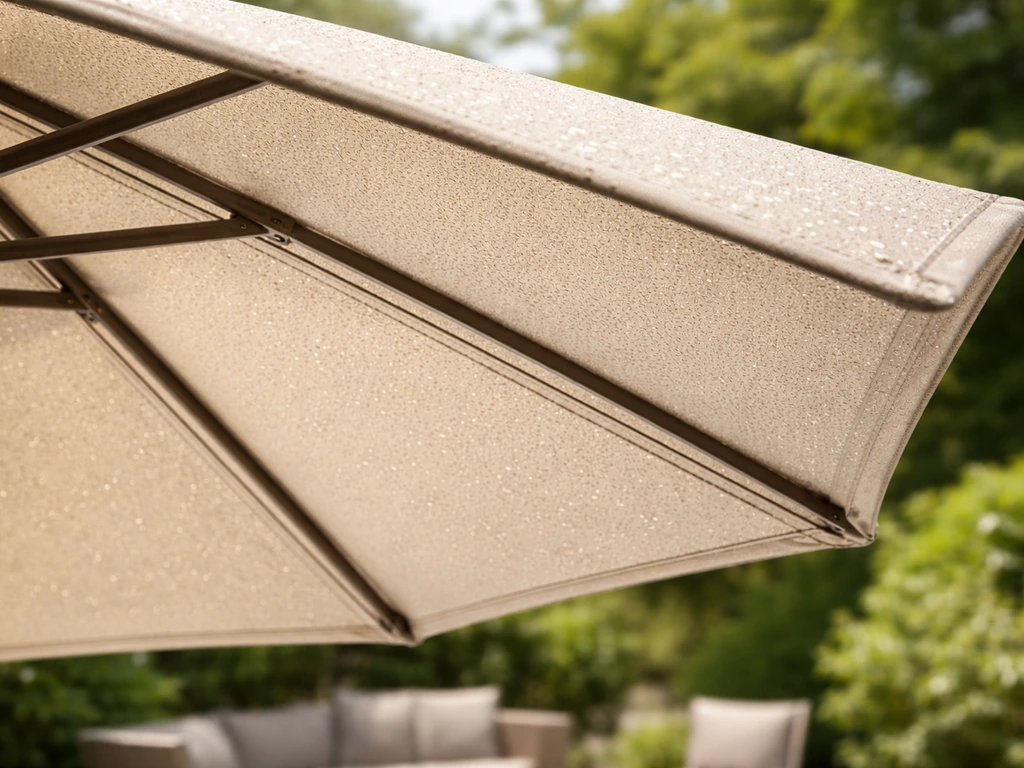
Figure out exactly where your umbrella is failing first
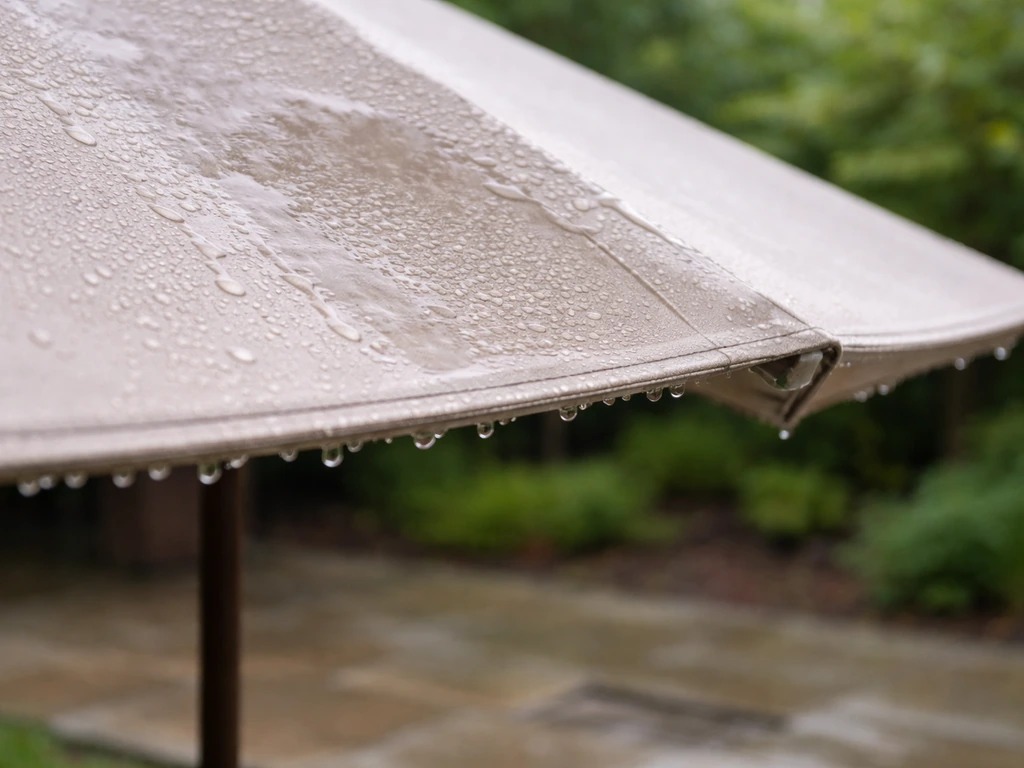
Before you buy anything, spend two minutes diagnosing what's actually happening. The fix is the same in most cases, but knowing your specific failure point helps you concentrate your effort where it counts. Grab a hose and spray the open canopy, then watch closely.
- Water soaks into the fabric everywhere: The DWR coating has worn off uniformly. This is the most common case after a season or two of UV exposure and cleaning, and a full-canopy retreatment will solve it.
- Water beads on the panels but drips through the seams: The stitching has needle holes and those seams have lost their seam tape or sealant. You need both a DWR coat and a targeted seam treatment.
- Water drips from the center where the shaft passes through the canopy: This is a hardware penetration leak. The fabric around the pole opening gets stressed, stretched, and abraded. It needs a close-range second coat and possibly a ring of seam sealer around the opening.
- Wet spots appear on one or two panels only: Likely from a bleach-based cleaning that stripped the finish in spots, or from a previous uneven spray application. Spot retreatment usually fixes it.
- Water is pooling in the canopy and not running off: The canopy may be sagging or the ribs may be slightly bent, so water has nowhere to go. No amount of waterproofing fixes a structural pooling problem. Check rib tension before treating.
One thing worth knowing: every patio umbrella relies on a waterproof coating applied to the fabric, not the fabric fibers themselves. When that coating wears down from UV exposure, abrasion, or cleaning, the umbrella starts leaking even though the fabric itself is intact. That's not a defect, it's just normal wear, and retreating it is a straightforward maintenance job.
Clean and dry the umbrella before you do anything else
This step matters more than most people expect. If you spray waterproofing over dirt, pollen, mildew, or any cleaning residue, you're locking that contamination into the fabric and the new coating won't bond properly. You'll end up with uneven beading, streaks, or a treatment that flakes off after a few rainstorms.
Basic cleaning (no mold, no stains)
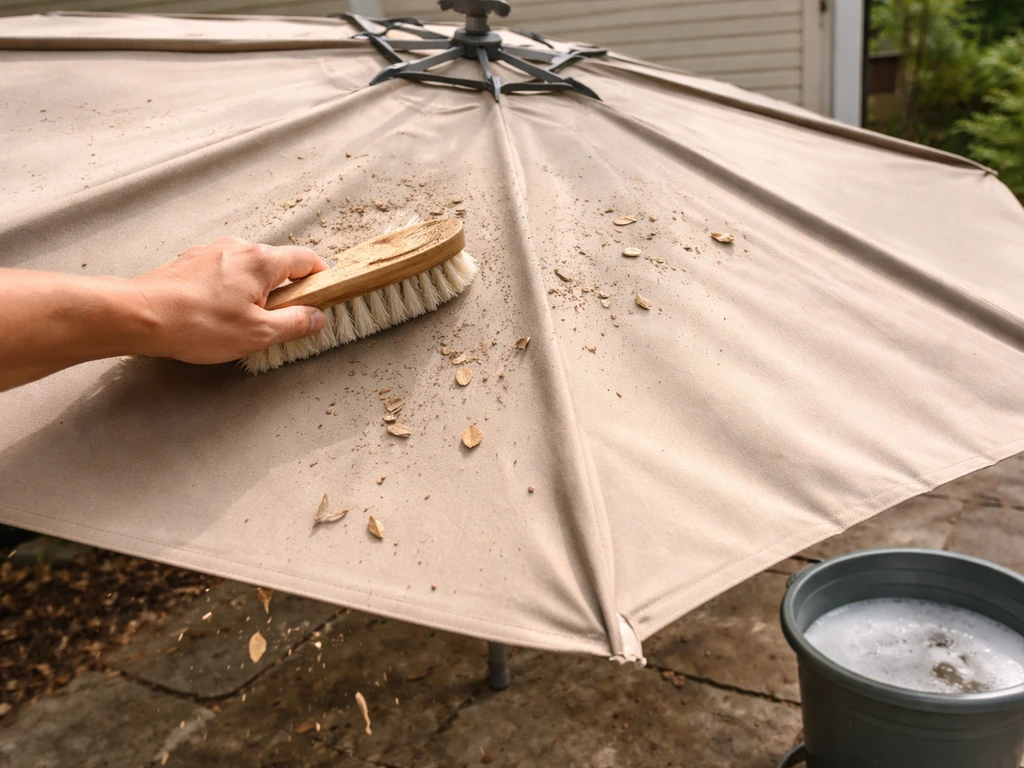
- Open the umbrella fully and use a soft-bristle brush to knock off loose dirt, leaves, and debris.
- Mix a solution of mild dish soap (about 1 tablespoon) in a bucket of warm water.
- Scrub the entire canopy with a soft brush or sponge, working in the direction of the weave.
- Rinse thoroughly with a garden hose until no soap residue remains. Soap left on the fabric is one of the main reasons DWR coatings fail early.
- Let the umbrella air-dry completely while still open. This is non-negotiable.
If you have mold or mildew
blank" rel="noopener noreferrer">For fabrics like Sunbrella, you can use a bleach solution safely. Mix 1 cup of bleach and 1/4 cup of mild soap per gallon of water. Apply, let it sit for up to 15 minutes, scrub lightly, and rinse thoroughly. One important heads-up: bleach will strip the water-repellent finish from virtually any fabric, including Sunbrella. Sunbrella's own care documentation confirms that blank" rel="noopener noreferrer">retreatment for water and stain resistance is necessary after any bleach cleaning. So if you've used bleach recently and now your umbrella is soaking through, that's exactly why, and waterproofing it again is the right next step.
Drying: don't rush this
Leave the umbrella open and let it air-dry for a minimum of 24 hours in warm, dry conditions. In humid weather, give it 48 hours. Feel the fabric near the seams and center hub, which are the last spots to dry. If there's any moisture left when you apply the waterproofing, the product won't penetrate evenly and you'll see patchy results. Drying fully before closing and storing is also a core maintenance habit that prevents mildew-related degradation over the long run.
Pick the right waterproofing product for your canopy
Not every waterproofing spray works equally well on every fabric. Patio umbrella canopies are made from a few distinct materials, and matching the product to the fabric gives you significantly better results and longer-lasting protection.
| Fabric Type | Recommended Product Type | Notes |
|---|---|---|
| Sunbrella / solution-dyed acrylic | 303 Fabric Guard or Sunbrella 303 Protectant | Sunbrella specifically recommends 303 Fabric Guard to restore water and stain resistance after cleaning |
| Polyester (standard) | Scotchgard Outdoor Water Shield or any DWR spray rated for polyester | Most common canopy material; responds well to fluoropolymer-based DWR sprays |
| Olefin / polypropylene | Nikwax Tent & Gear SolarProof or 303 Fabric Guard | Olefin is UV-resistant but the coating wears; avoid silicone-based products on olefin |
| Canvas / cotton blend | Kiwi Camp Dry or Star Brite Waterproofing Spray | Canvas needs heavier saturation; may need two coats |
| Vinyl or coated fabric | Plexus Plastic Cleaner or 303 Aerospace Protectant (not a DWR spray) | Vinyl doesn't absorb DWR sprays; use a surface protectant instead and inspect for cracking |
If you're not sure what your canopy is made of, check the tag on the underside near the hub, or look up your umbrella's model number. Most outdoor patio umbrellas from the last decade use polyester or solution-dyed acrylic. If your patio umbrella fabric is solution-dyed acrylic, follow the same dye-safe prepping steps so the color stays even when you learn how to dye a patio umbrella. When in doubt, 303 Fabric Guard is a safe, effective choice for almost all outdoor fabric types and it won't alter the color or texture.
One product category to avoid: silicone-based waterproofing sprays. They work well on smooth gear but tend to leave waxy buildup on woven patio fabric, can cause streaking, and make future cleaning and retreatment harder. Stick with water-based or fluoropolymer DWR products for canopy work.
How to apply the waterproofing (the actual step-by-step)
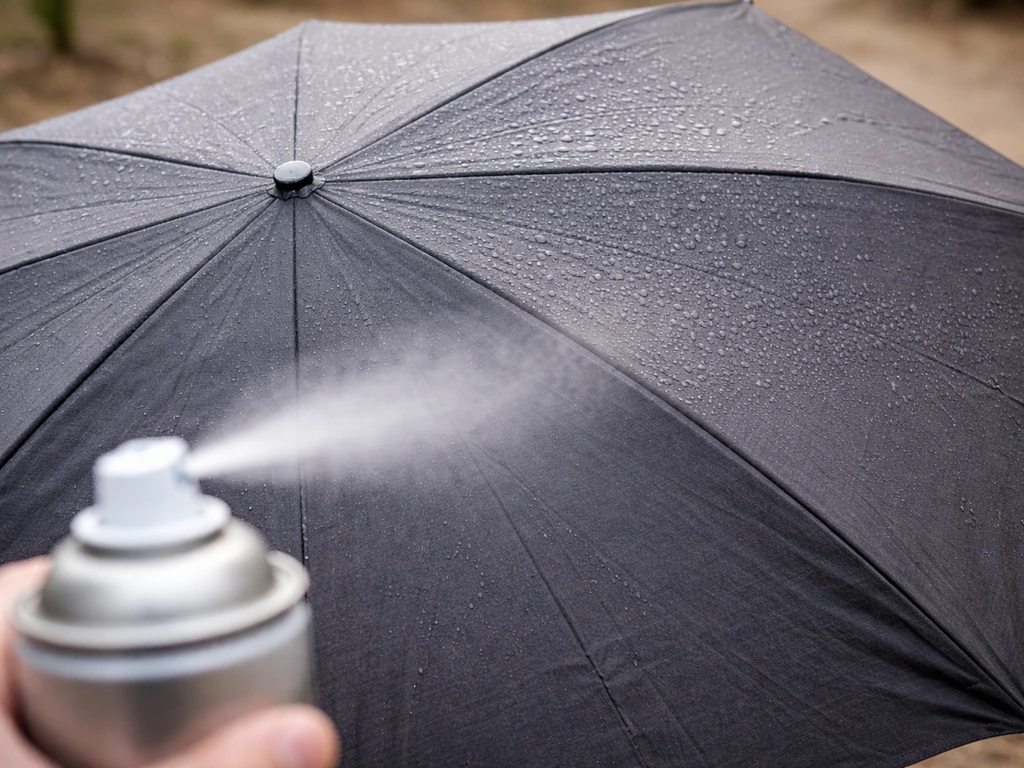
Do this outdoors on a calm, dry day with temperatures above 50°F (10°C). Wind will push the spray everywhere except where you want it, and cold temperatures prevent proper curing. Lay down a drop cloth under the umbrella if you're working over a deck or patio surface, because overspray will leave a haze on pavers and composite decking.
Main canopy panels
- Open the umbrella fully and tilt it slightly if it has a tilt mechanism, so you can reach all panel surfaces without bending awkwardly.
- Shake the spray can well for 30 seconds.
- Hold the nozzle 6 to 8 inches from the fabric surface. Closer than that and you'll get saturated wet spots; farther and you'll get thin, uneven coverage.
- Spray in slow, steady horizontal passes across each panel. Overlap each pass by about an inch. You want the fabric visibly damp (the color will deepen slightly) but not dripping wet.
- Work from the outer edge of each panel toward the center, panel by panel, going all the way around the canopy.
- Don't forget the underside. Flip the umbrella by tilting or rotating it, and repeat the same passes on the underside of each panel. Wind-driven rain hits from below too.
Seams and edges: give these a second pass
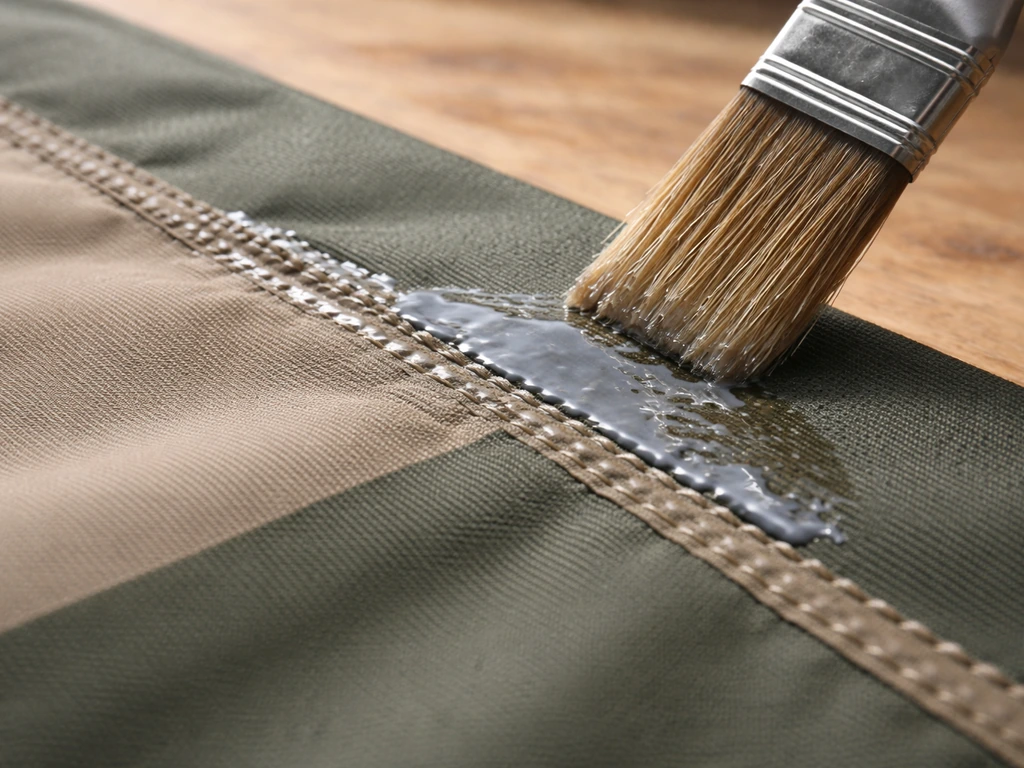
Seams are where waterproofing consistently fails first. The needle holes from stitching create tiny penetration points, and the seam area takes more mechanical stress from wind flex. After your first full-canopy coat, go back and apply a second, close-range pass (about 4 to 5 inches from the fabric) directly over every visible seam line, the hem around the outer edge, and any decorative binding or piping. Take your time here. This is where most DIY waterproofing jobs fall short.
The shaft penetration and vent areas
The hole in the center of the canopy where the shaft passes through is a chronic leak point. The fabric here is under constant tension and the coating wears faster from friction with the pole. Spray this area thoroughly, keeping the nozzle 4 to 5 inches away for better saturation. If the hole has a metal or plastic ring (a grommet), work the spray around its full circumference. For vented umbrellas with a secondary cap canopy at the top, treat the vent panels and their attachment seams separately as they're exposed and often overlooked.
Protecting hardware from overspray
DWR spray on metal hardware won't damage it chemically, but it can leave a hazy residue on powder-coated finishes and it will make plastic tilt knobs feel slightly tacky. Before you start, use painter's tape and paper to cover the pole where it meets the canopy, the tilt mechanism housing, and any exposed hub arms near the fabric. If you do get overspray on hardware, wipe it off immediately with a damp cloth before it cures.
Let it cure, then test it properly
Most DWR sprays need 24 to 72 hours to fully cure at room temperature. The product label will give you the specific window. During that time, keep the umbrella open and don't let it get rained on, folded, or covered. Curing while flat and open is important because folding the canopy before the treatment sets can press the coated surfaces together and disrupt the bond.
The hose test
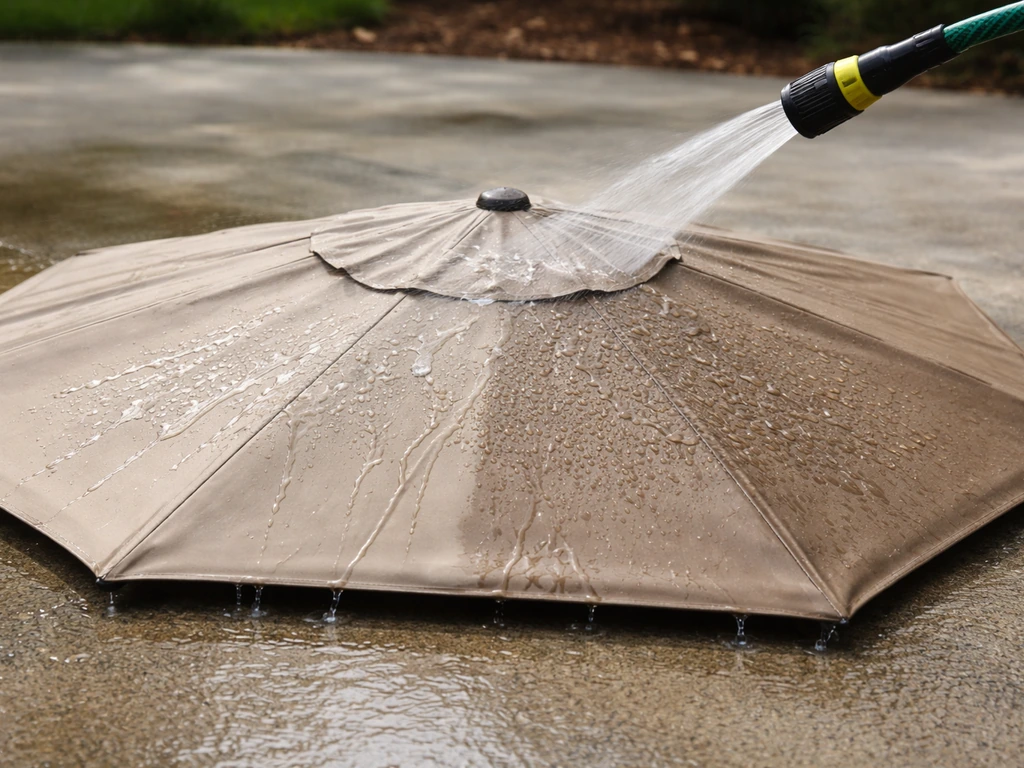
- After the full cure window, open the umbrella and set your hose to a steady medium stream (not a jet, not a mist).
- Run water over the top of the canopy at a normal rain-like angle.
- Watch for water beading into droplets that roll off cleanly. On a properly treated surface, water should bead up immediately and roll toward the outer edge.
- Check the underside. No drips should be coming through panel fabric, seams, or the center shaft hole.
- If you see flat wet patches where water soaks in rather than beading, circle those areas in your memory (or mark the dry fabric lightly with chalk) and apply a second coat of DWR specifically to those spots once it dries again.
- Tilt the umbrella toward you and check that water runs off the edge rather than wicking along the hem.
Some products, especially on older or more worn fabric, may need a second full coat to fully restore beading. That's normal. Fabric that has been unprotected for a full season or more may have degraded surface fibers that need extra product to saturate properly.
When something still isn't right: common problems and fixes
Water still soaking through the panels
If fabric panels are soaking through after a full treatment and cure, you either applied the product too thinly or the fabric was not fully dry when you sprayed. Clean the area with plain water, let it dry completely, and apply another coat with slow, overlapping passes close to the fabric. When you notice issues, the troubleshooting approach in How to diagnose and fix patio umbrella leaks can help you pinpoint the problem before you reapply waterproofing. If the fabric is structurally worn or the weave is visibly thinning from UV damage, no amount of waterproofing will compensate for damaged fibers, and a canopy replacement is worth considering.
Leaking at seams only
If panels bead cleanly but seams still drip, apply a seam sealer product (like Gear Aid Seam Grip or a seam-sealing tape designed for outdoor fabric) directly over the stitching on the inside of the canopy. This is particularly useful for the hem seam running around the outer edge. Apply the sealer in a thin, even bead, smooth it with your finger, and let it cure before testing again.
Streaking or uneven beading
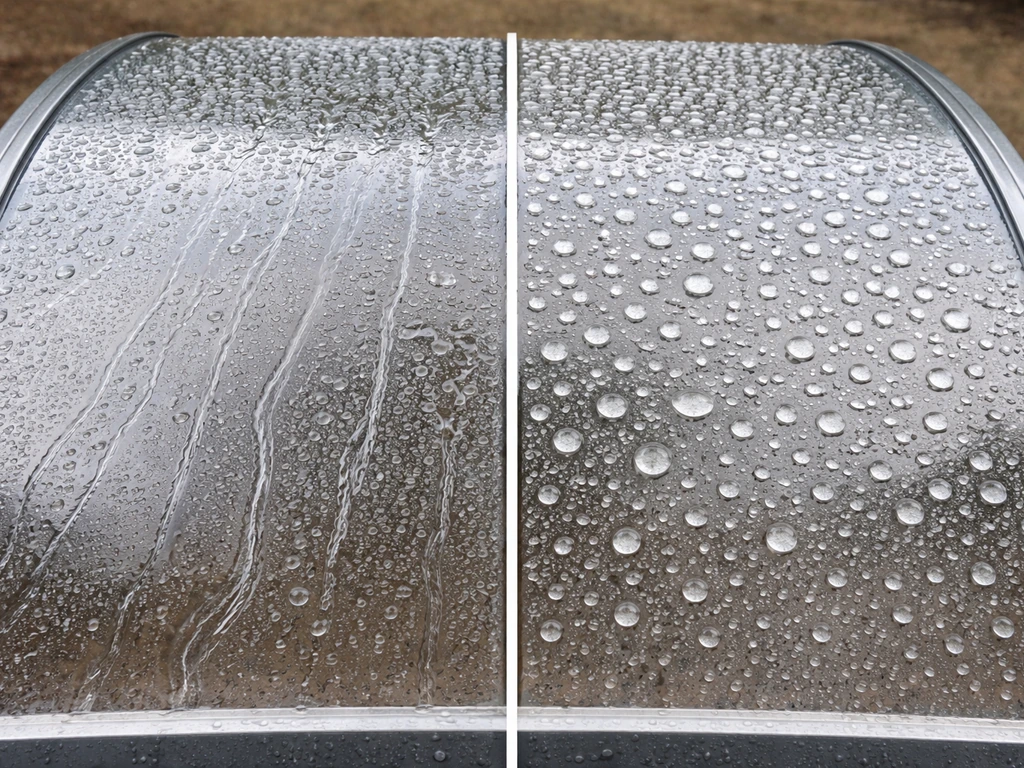
Streaks almost always come from one of three things: spraying too close, spraying too fast, or applying over a surface that had cleaning residue on it. If the canvas looks streaky after curing, let it dry, then lightly re-apply a thin coat over the streaked areas in slow, even passes from 8 inches away. The streaking is cosmetic and won't hurt performance, but an even second coat usually blends it out.
Water running along the surface instead of beading
If water sheets off in a film rather than beading, the coating is too thin or wasn't absorbed evenly. This is more common on tightly woven polyester that has some remaining factory coating. Clean the fabric with a wet cloth, let it dry, and apply a heavier saturation coat. Spreading the product with a clean foam brush rather than spray can help on very smooth, tightly woven fabrics.
Overspray haze on the pole or hardware
If you notice a dull film on the pole or tilt housing after curing, rub it with a cloth dampened with isopropyl alcohol. This removes most DWR residue without damaging powder coat or anodized finishes. For plastic parts, a damp rag with a little dish soap is enough. Work quickly since cured DWR gets harder to remove the longer it sits.
Keep it protected: a simple ongoing maintenance routine
Waterproofing a patio umbrella isn't a one-and-done task, but it's also not something you need to think about constantly. If you want the best results, learn the exact process of how to paint patio umbrella canopies and match the product to your fabric Waterproofing a patio umbrella. A few consistent habits will extend the life of any treatment significantly and prevent you from having to diagnose a leaking canopy mid-summer next year.
After every rain
Leave the umbrella open until the canopy is completely dry before closing it. Folding a wet canopy is the single fastest way to breed mildew, degrade the waterproof coating, and end up right back where you started. If you need to close it quickly, plan to reopen it within a few hours once the weather clears. This is one of the most emphasized points in umbrella care from manufacturers like East Coast Umbrella: fully air-drying before folding is essential to avoiding recurring water and mildew problems.
Seasonal retreatment schedule
Plan to reapply DWR once per season, or any time you do a heavy cleaning with bleach or strong soap. To help prevent fading, keep the canopy out of intense direct sun when you can and choose UV-resistant treatments meant for outdoor fabrics. If you use the umbrella heavily through summer and put it away in fall, a fresh coat of waterproofing at the start of the following season is the right cadence. Light-use umbrellas in mild climates can often go two seasons before retreatment is needed. The hose test is your best indicator: if water stops beading, it's time.
Winterizing and storage
Before storing the umbrella for winter, do a full clean-and-dry cycle, apply a fresh DWR coat, let it cure fully, and then close and store it. A breathable storage cover is better than a sealed bag or box because it allows any residual moisture to escape. Store the umbrella vertically if possible to avoid stress on the ribs and canopy seams. If you have a fabric storage sleeve that came with the umbrella, make sure it's clean and dry too. Mold in the sleeve transfers directly to the freshly treated canopy.
When waterproofing isn't enough
If you've treated the canopy twice and it's still soaking through, take a close look at the fabric itself. UV damage that has visibly faded or thinned the canopy fibers is a sign that the material has degraded beyond what any coating can fix. A canopy that's heavily faded, stiff, or showing thin spots isn't a waterproofing problem anymore.
If your patio umbrella is heavily faded and still isn’t repelling water, focus on whether the fabric is UV-damaged before spending more on retreatment. At that point, replacement is the honest answer, and pairing a new canopy with a proper waterproofing and care routine from day one will get you much better longevity. Preventing fading in the first place (using UV-rated covers, storing properly, keeping the coating fresh) is the best long-term strategy for the fabric's overall health.
FAQ
How can I tell whether my umbrella is leaking through the fabric or through seams?
Do a quick “where is the water getting in” check before you spray. Open the umbrella and hose it for 2 to 3 minutes, then wipe the canopy with a dry white cloth and look for dark transfer. If droplets appear first along the hem, the seam likely needs seam sealer. If the center shaft area wets first, focus on the hub opening, ring or grommet, and nearby tension points.
What should I do if the umbrella still feels slightly damp after air-drying?
Stop and dry longer before reapplying if the canopy feels cool or damp near the center hub, seams, and any binding. Even when the surface looks dry, moisture trapped under folds or inside tight weaves can cause uneven absorption and patchy performance. Use warm, dry conditions and give it an extra 24 hours if humidity is high.
Can I waterproof my umbrella immediately after using bleach or cleaner?
Yes, but only after you remove the residue and match the product type. Rinse with plain water first if you recently used bleach or strong soap, then let it dry fully. Re-coating without cleaning residue often leads to streaking and early flaking, because the new DWR cannot bond evenly.
Will it still work if my umbrella gets rained on while the DWR is curing?
Avoid applying DWR in the rain or right before storms. If it gets rained on before curing, the coating can wash off or cure unevenly, which makes the hose test fail later. A practical rule is to keep it open and uncovered until the label cure time has passed, typically 24 to 72 hours.
Is silicone spray waterproofing okay for patio umbrella fabric?
Not usually. Most silicone waterproofing products can leave buildup on woven outdoor fabrics, causing waxy streaking and making future retreatment harder to get uniform. Stick with water-based or fluoropolymer DWR sprays intended for outdoor canopy fabric.
What if water beads at first but still soaks through after the treatment?
If water beads but doesn’t fully repel on the first coat, apply a second coat using slower, overlapping passes from about 4 to 8 inches away, with extra attention to seams, hem, binding, and the center hub opening. If the canopy is very old and fibers look thin or faded, consider that the problem may be fabric wear rather than coating failure.
Why does my canopy look streaky after waterproofing, and how do I fix it?
If you’re seeing streaks after curing, first confirm you sprayed at the right distance and speed. Then lightly reapply only over the streaked zones with thin, even passes, letting it cure again. As a separate check, if streaks were caused by contamination (pollen, mildew, residue), you may need to re-clean and dry before any re-coating.
How do I remove hazy DWR residue from the pole and tilt mechanism?
If your coating turns the pole or tilt hardware dull, wipe residue off promptly. Use a cloth dampened with isopropyl alcohol for most DWR haze, and re-check the finish (powder coat or anodized) before scrubbing hard. For plastics, a damp rag with a small amount of dish soap is safer.
Should I spray or brush-on waterproofing for best results on different canopy textures?
You can use a brush method, especially on tightly woven polyester or smoother fabrics where spray may not saturate evenly. Use a clean foam brush to spread the product in controlled coats, focusing on seams and the hub area, then let it cure fully before testing.
Can I close the umbrella before the waterproofing fully cures?
No, and it’s one of the most common mistakes. Folding a wet or uncured canopy presses coated surfaces together, disrupting bonding and increasing mildew risk. If you must close it for the day, reopen as soon as weather clears and keep the canopy fully air-dry before long-term storage.
What’s the best way to store a waterproofed patio umbrella for winter?
Yes, but store in a way that prevents moisture entrapment. Choose a breathable cover, keep it clean and dry, and close only after full cure and air-drying. Storing vertically helps reduce stress on ribs and seam lines, and it minimizes concentrated pressure on the canopy.
How often should I re-treat, and do I always need a full re-coat?
Do a “hose test” after the cure window and check beading on the canopy panels and around problem zones (seams, hem, center hub). If water stops beading completely, retreat. If only seams drip, use seam sealer on the inside over stitching rather than re-spraying the whole canopy.
At what point is replacement better than applying more waterproofing?
Not really. If the canopy is visibly faded or thin in spots and still won’t repel water after proper cleaning, drying, and full re-coating, the waterproof layer and even the underlying fabric may be degraded beyond what DWR can fix. In that case, replacing the canopy is usually the honest and most cost-effective solution.
Next Articles
What to Do With a Faded Patio Umbrella: Fix or Dye It
Fix or dye a faded patio umbrella with step-by-step cleaning, prep, dyeing tips, and troubleshooting for even color.
How to Paint a Patio Umbrella Step by Step Guide
Step by step guide to prep, prime, and paint a faded outdoor patio umbrella, protecting mechanisms for lasting color.
How to Dye a Patio Umbrella Step by Step Guide
Step-by-step how to dye and tie-dye a patio umbrella, including prep, dye choice, aftercare, and avoiding streaks.