East End patio umbrellas are straightforward market-style umbrellas, but getting one set up correctly, keeping it working through the season, and storing it properly for winter requires knowing exactly which mechanism you have before you start. Most East End models use either a crank-open system or a pull-cord/pulley setup, and tilt either with a push-button collar or a tilt knob at the hub. Ace Hardware lists the East End Patio 7.5 ft. Tiltable Burgundy Market Umbrella (Mfr #93299) and describes it as a tiltable market umbrella sold under the East End Patio brand tilt either with a push-button collar or a tilt knob at the hub. Once you identify those two things, the rest of the process is pretty simple, and nearly every common problem, from a stuck crank to a loose tilt, has a fixable cause you can handle yourself.
East End Patio Umbrella Instructions: Setup, Use, Fixes
Identify your East End umbrella type and parts
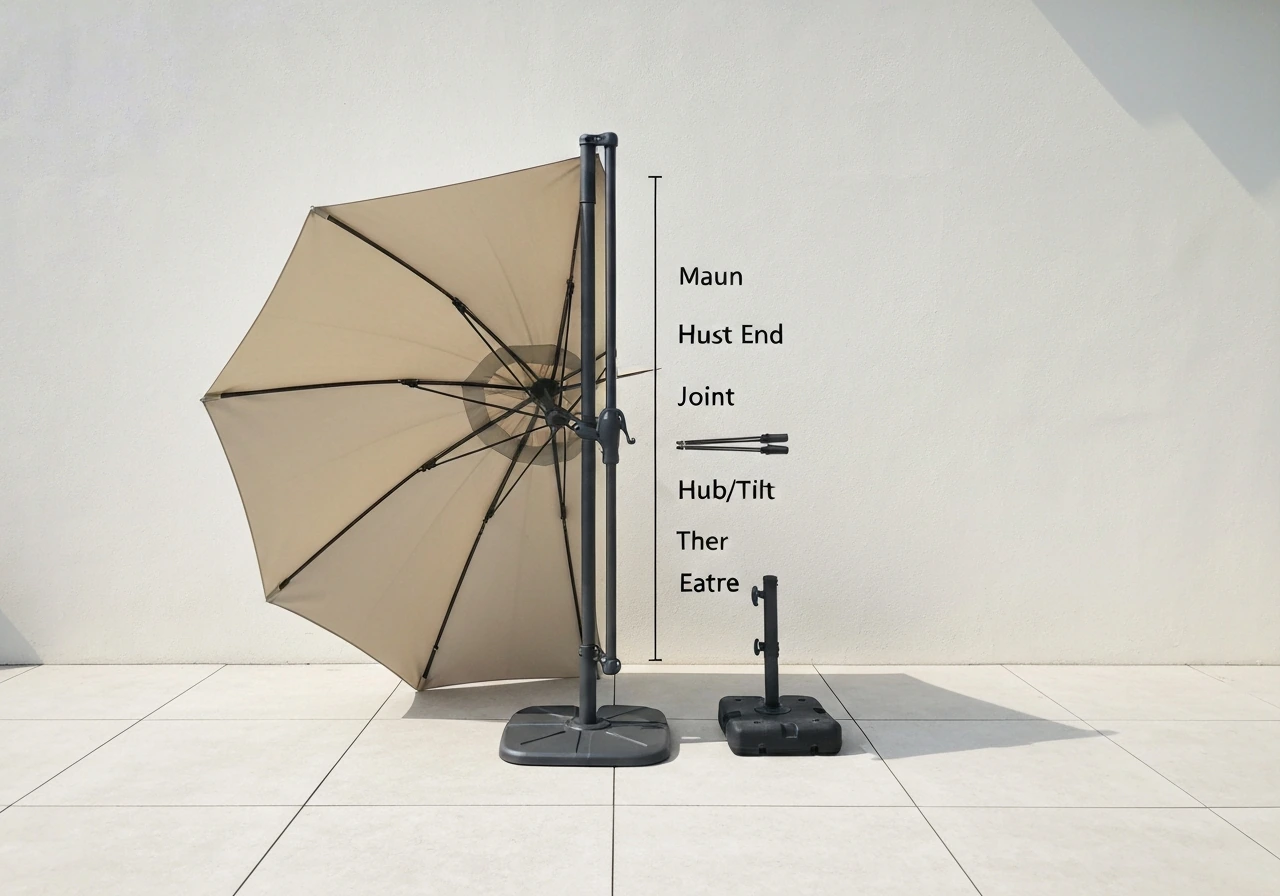
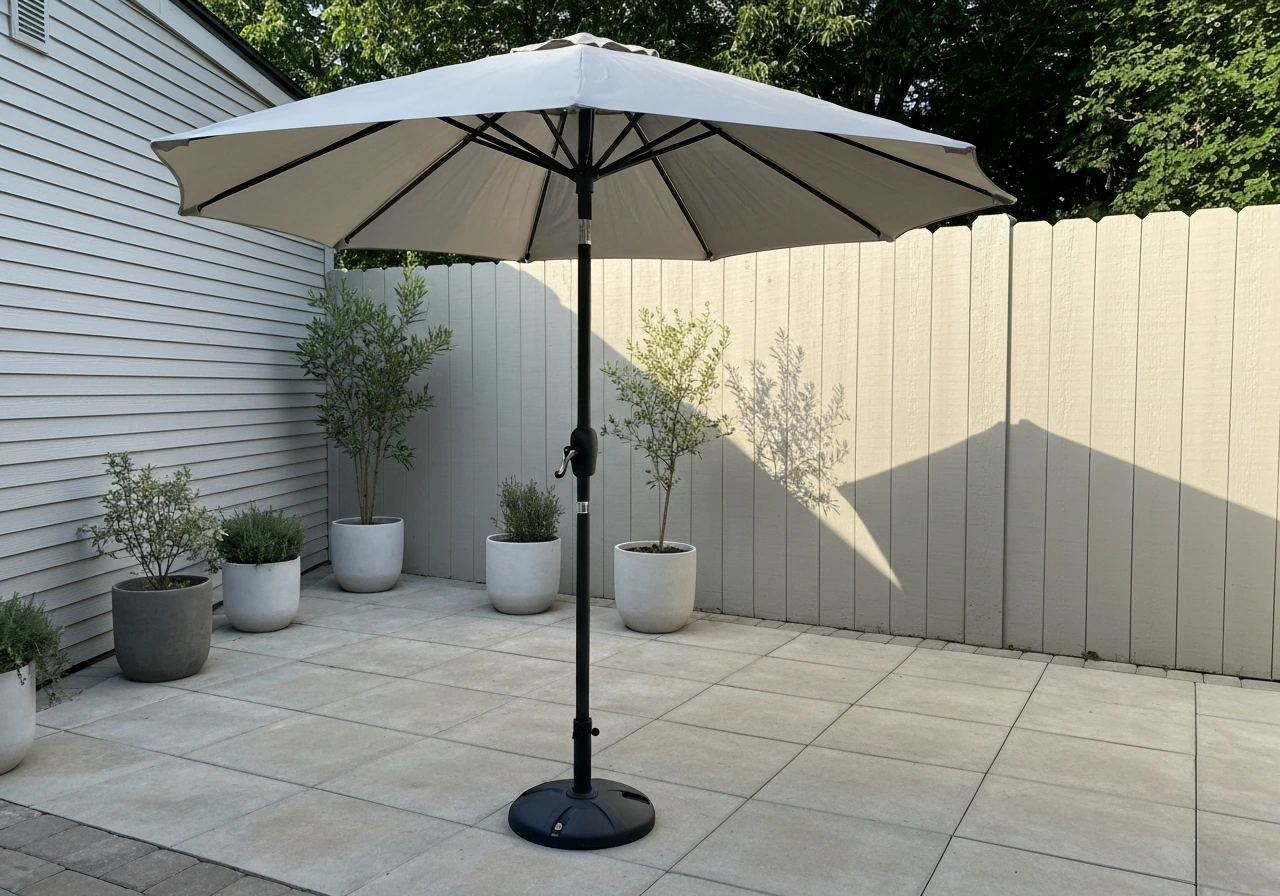
East End Patio's most commonly found model is a 7.5 ft. market umbrella with a tiltable feature (Mfr #93299 at Ace Hardware, if you need to look it up for parts). Market umbrellas like this have a straight center pole, ribs that radiate out from a central hub at the top, and a fabric canopy stretched across those ribs. Before you do anything else, lay the umbrella flat and find these key parts.
- Pole: The main vertical post, usually in two sections that connect with a pin or twist-lock fitting.
- Hub: The center piece at the top of the pole where all the ribs attach. This is also where the tilt mechanism lives.
- Ribs and stretchers: The ribs extend from the hub outward; the stretchers are the shorter bracing arms that connect mid-rib to the runner.
- Runner (or slider): The plastic or metal ring that slides up and down the pole. Pushing it up opens the canopy; it locks in the open position.
- Opening mechanism: Either a crank handle mounted on the pole (you turn it to raise/lower the runner) or a pulley cord system (you pull one end of a looped cord).
- Tilt mechanism: Either a push-button collar just below the hub (press the button and angle the pole top) or a tilt knob/collar you rotate to lock the angle.
- Base and pole sleeve: The weighted stand the pole sits in. The sleeve opening is typically 1.5 inches in diameter for standard market umbrellas.
Take a minute to confirm which opening mechanism and which tilt type you have before reading further. The steps below branch slightly depending on your setup, and using the wrong approach on either mechanism is usually what causes damage.
Assembly and setup: getting it standing and working
Assembly goes much faster if you do it with a second person for the final pole-raising step. Everything else you can do solo on a flat surface.
- Set up the base first. Position the base where you want the umbrella, and if it has a fill hole for sand or water, fill it now before the pole goes in. A 7.5 ft. market umbrella needs at least 50 lbs. of base weight minimum; 75 lbs. is safer in any area with afternoon wind.
- Connect the pole sections. Most East End poles join with a metal pin through a drilled hole, or they twist and lock. Slide the upper section into the lower section, align the holes, and push the pin through until it clicks. If it's a twist-lock, insert and rotate clockwise until you feel it seat. Give it a firm tug to confirm it's locked.
- Thread the canopy onto the pole (if not pre-attached). Some units ship with the canopy loosely folded around the ribs. Before raising the pole, make sure each rib is seated in its hub socket and the canopy velcro tabs or ties are unfastened so the fabric can open freely.
- Insert the pole into the base sleeve. Tilt the assembled pole at an angle, lower it into the sleeve, then bring it upright. Have your helper hold it while you tighten the base collar bolt or security pin to hold the pole vertical.
- Do a quick check before opening. Make sure the runner is in the fully lowered position, the ribs are all seated, and nothing is tangled in the canopy. Opening the umbrella with a twisted or pinched canopy is how you bend ribs.
How to open and close with the crank or cord system
Crank-open models
The crank handle is typically located about two-thirds of the way up the lower pole section. To open: hold the pole steady with one hand, engage the crank handle, and turn it clockwise (looking at the handle end). You'll feel resistance as the runner starts pushing the stretchers and ribs upward. Keep cranking smoothly until the canopy is fully extended and the runner locks. Do not force it if you feel sudden resistance mid-crank; stop and check for a tangled rib or fabric caught under a stretcher. To close: turn the crank counterclockwise slowly. Let the canopy collapse gently rather than letting it drop all at once, which can stress the ribs.
Pulley and cord models
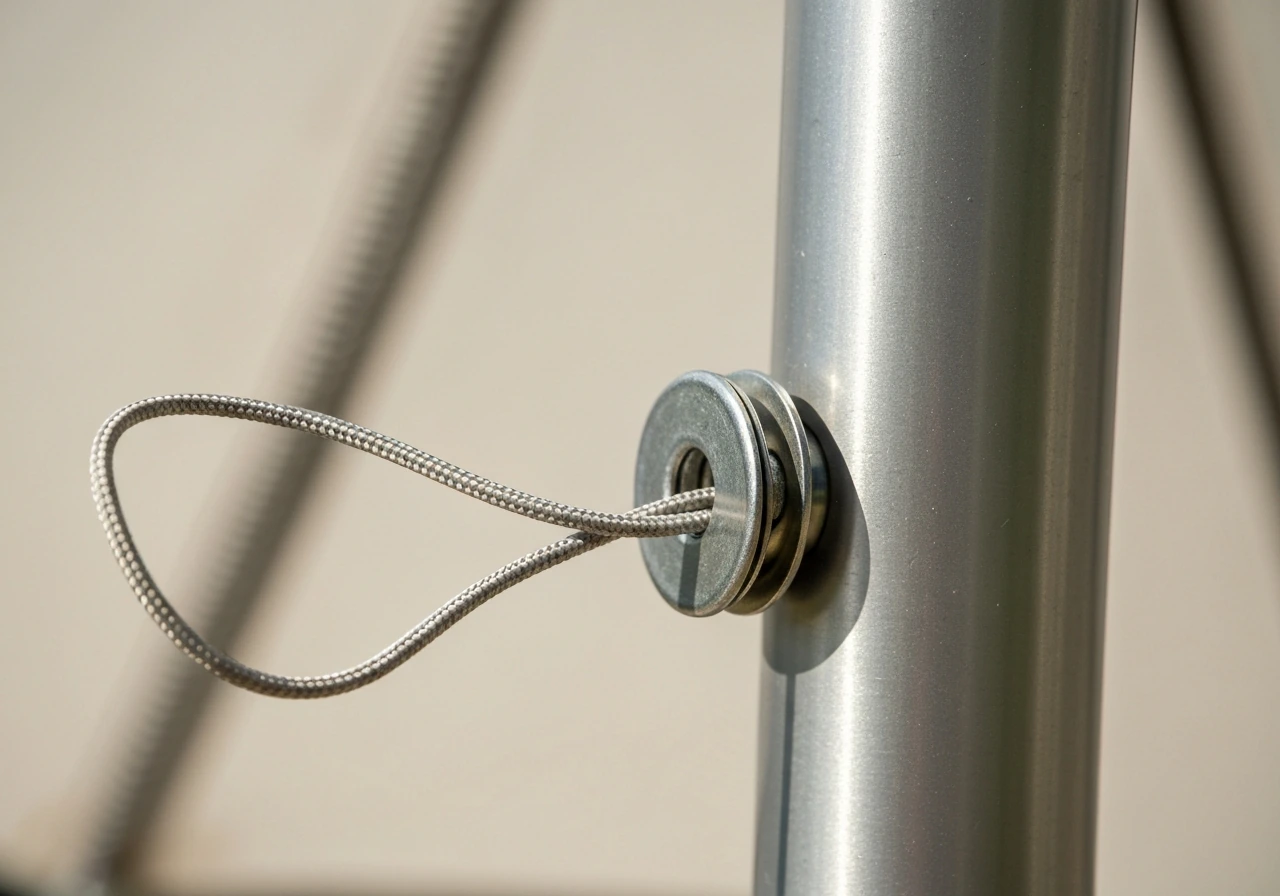
If your East End umbrella uses a pull-cord system, there's a looped cord running through a pulley at or near the hub. To open: hold the pole with one hand and pull the cord on the side that's attached to the runner (usually the lower cord end). The canopy will rise as you pull. Once it's fully open, tie off the cord or lock it into the cleat on the pole. To close: release the cleat, hold tension on the cord, and let the canopy lower slowly. Never just drop the cord, as the runner coming down with no tension can slam the ribs and crack the hub.
How to tilt, lock, and unlock, plus fixing common tilt problems
Push-button tilt collar
Open the umbrella fully first; the tilt only works when the canopy is under tension. Find the tilt collar just below the hub on the upper pole. Press the button on the side of the collar and, while holding it in, push the top of the pole (above the collar) in the direction you want the canopy to lean. You'll feel it click into one of several preset angles, usually 0, 30, and 45 degrees. Release the button to lock it. To return to vertical, press the button again and push the top back upright until it clicks at 0 degrees.
Twist-knob or collar tilt
Some East End models use a rotating collar instead of a button. Loosen the collar by rotating it counterclockwise, angle the top of the pole to your desired position, then tighten the collar clockwise to lock it. These give you more angle flexibility than push-button systems but can loosen over time if the collar threads wear.
Common tilt problems and how to fix them
- Tilt won't lock and keeps slipping: On push-button models, the button spring may be worn or debris is stuck in the collar. Remove the collar if possible, clean out grit with compressed air, and inspect the spring. On knob models, the collar threads are likely stripped; replacing just the collar is usually inexpensive.
- Tilt button won't press in: The canopy isn't fully open and the ribs are putting side-load on the collar. Fully open the umbrella first, or if you're mid-season and it's already open, check whether a stretcher is jammed and relieving the tension needed for the button to move freely.
- Umbrella tilts sideways instead of forward/back: The pole wasn't fully seated in the tilt collar before locking. Return to vertical, press the button or loosen the knob fully, reseat the pole straight, and re-engage.
- Tilt collar is cracked: This is a structural issue. Stop using the tilt function and order a replacement collar. Continuing to use a cracked collar risks the top section of the pole separating under a gust.
Wind safety: base weight, anchoring, and daily habits
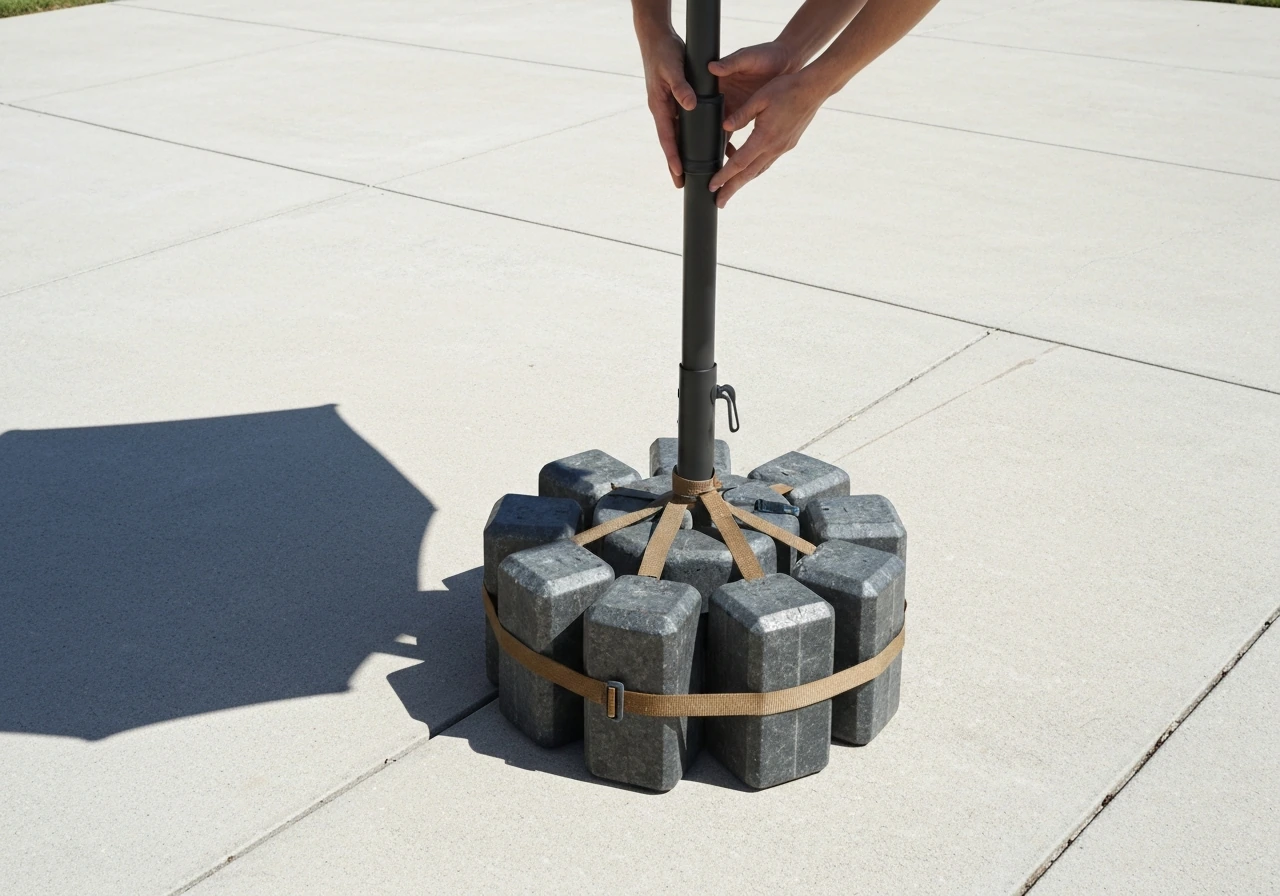
A 7.5 ft. market umbrella catches a surprising amount of wind load when open, and an under-weighted base is the single most common cause of tip-over damage. East End's market-style umbrellas are designed for calm to light breeze conditions when open; they are not engineered to stay open in sustained wind above 15 to 20 mph.
| Base weight | Suitable condition | Notes |
|---|---|---|
| 50 lbs. | Calm to very light breeze (under 10 mph) | Minimum starting point; not recommended for exposed patios |
| 75 lbs. | Light to moderate breeze (10-15 mph) | Good general standard for most homeowners |
| 100+ lbs. | Moderate breeze or gusty conditions | Required for elevated decks, pool areas, or open yards |
Beyond base weight, here are the practical steps to keep your umbrella safe in the wind.
- Always close the umbrella when you leave the patio unattended, even if skies look clear. Wind can pick up quickly, and a closed umbrella in a base has almost no sail area to catch.
- If your table has a center hole, run the pole through the table and into a below-table base stand. The table itself adds meaningful lateral bracing.
- Check the base collar bolt or security pin every few weeks. Vibration from daily wind causes these to back out slowly.
- In sustained winds of 15 mph or more, close the umbrella and if possible, remove it from the base and lay it flat or store it.
- Never leave the umbrella open in thunderstorm warnings. Beyond tip-over risk, a metal-poled umbrella is a lightning conductor.
Maintenance: keeping the crank, cord, and canopy in good shape
East End market umbrellas don't need much upkeep, but five minutes of attention a few times a season will prevent the most common failures.
Crank and runner lubrication
Once a season, apply a light coat of silicone spray or dry PTFE (Teflon) lubricant to the runner where it slides along the pole, and to the crank gear teeth if your model has an exposed crank housing. Avoid petroleum-based greases like WD-40 on plastic parts; they degrade plastic over time and attract dirt that grinds into the gear teeth. If the crank feels stiff, this is almost always the fix.
Pull-cord inspection
Inspect the cord at the start and middle of each season. Run your fingers along the full length of the cord and feel for fraying, kinking, or spots where the cord has been pinched by the runner or a rib. A frayed cord can snap mid-operation and send the runner dropping fast. Replacement cord is sold by the foot at hardware stores; standard replacement size for market umbrellas is typically 3/16 inch braided polyester cord. Re-threading takes about 15 minutes following the existing cord path.
Canopy cleaning
Most East End canopies are polyester fabric. Clean with a soft brush, mild dish soap, and cool water. Scrub gently in the direction of the weave, rinse thoroughly, and let the canopy dry fully while open before closing or storing. Never put a damp canopy into storage; mildew will develop within a few days and the staining is nearly impossible to remove completely.
Rib and hub inspection
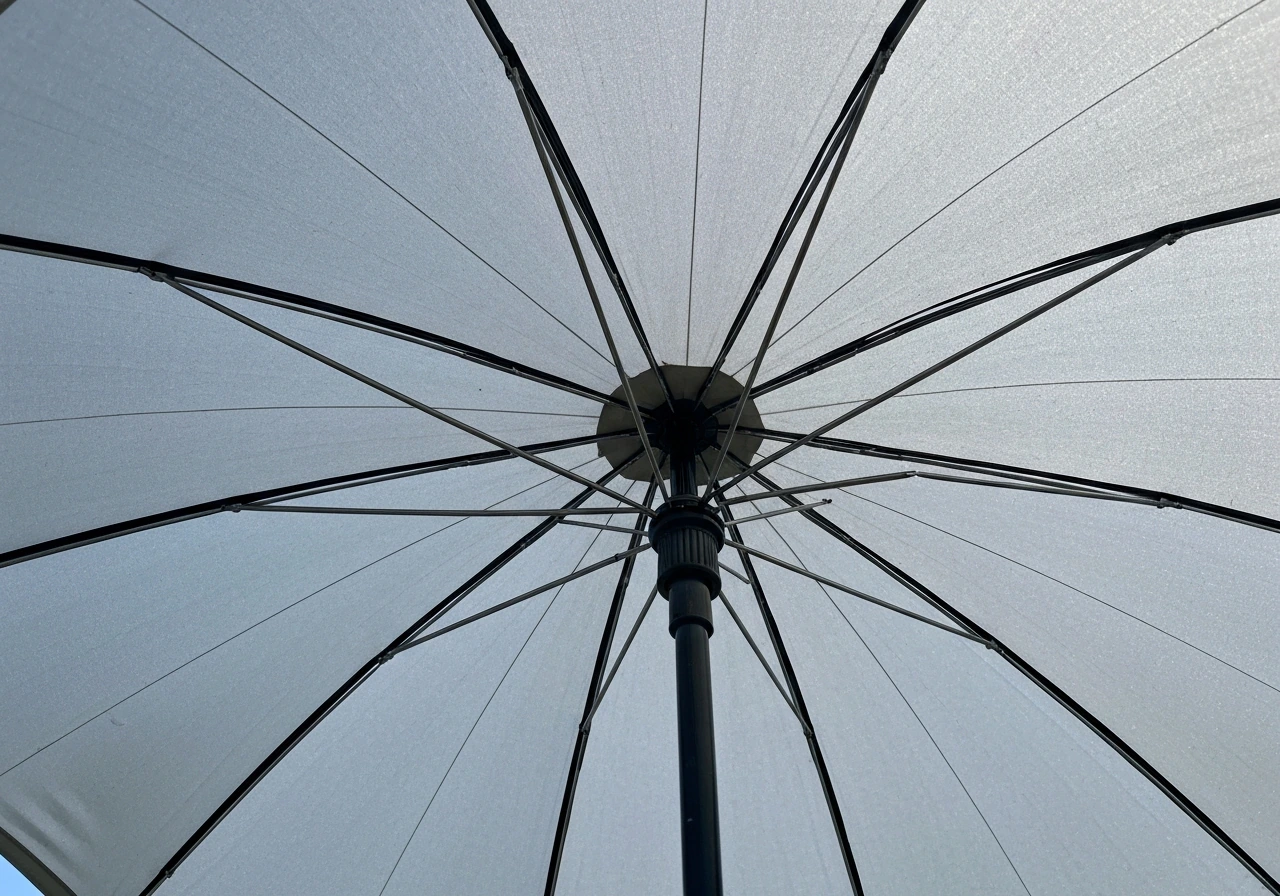
Twice a season, open the umbrella and look up at the hub from below. Check that each rib is fully seated in its hub socket, look for any bent or kinked ribs (usually a sign of a previous tip-over), and confirm that the stretcher connections at the runner are all intact. A rib that's slightly out of its socket will cause the canopy to look lopsided and will eventually pop free.
Troubleshooting quick fixes and when to stop and get help
| Problem | Most likely cause | Fix | Stop if... |
|---|---|---|---|
| Crank turns but umbrella won't open | Runner is stuck on pole corrosion or debris | Clean and lubricate the pole; try again | The crank gear is slipping and spinning freely |
| Umbrella won't open fully (stops halfway) | Rib not seated in hub, or canopy fabric caught under stretcher | Lower runner, reseat rib or free fabric, re-open slowly | A rib is visibly bent or cracked |
| Crank handle is very stiff | Dry or corroded gear | Apply silicone/PTFE spray to gear and runner | You feel grinding or hear cracking sounds |
| Cord broke or is too short to reach | Frayed cord snapped or stretched | Replace with 3/16 in. braided polyester cord | The pulley wheel inside is cracked or missing |
| Tilt won't hold position | Worn button spring or stripped knob threads | Clean collar, inspect spring; replace collar if worn | The pole is bent above the tilt point |
| Canopy has a large tear | Storm damage or prolonged sun UV degradation | Patch with outdoor fabric repair tape for small tears | The tear is along a rib seam longer than 6 inches; order a replacement canopy |
| Pole wobbles in base | Base collar bolt backed out or base underfilled | Tighten bolt; add more sand or water to base | The pole itself is bent; replacement needed |
The honest threshold for replacement versus repair: if the hub is cracked or a rib is broken at the hub joint, that repair cost typically approaches the cost of a new umbrella at this price point. For everything else, fixing makes sense. Cords, collars, runners, and even replacement canopies for a 7.5 ft. market umbrella are all under $25 individually, and the repairs are all achievable in under an hour.
Seasonal storage and winterizing to prevent next year's failures
How you store the umbrella at the end of the season directly determines whether it works smoothly when you bring it back out. If you want step-by-step mainstays patio umbrella instructions for storage and next-season setup, follow the opening and lubrication basics covered for crank and cord models. The most common spring-season problems, a stuck crank, a brittle cord, and a mildewed canopy, are all caused by careless storage.
- Clean the canopy completely and let it dry for at least 24 hours while open. Any trapped moisture will become mildew inside the storage bag.
- Close the umbrella and wipe down the pole, hub, ribs, and crank housing with a dry cloth. Remove any dirt, salt residue (if you're near the coast), or bird droppings.
- Apply a light coat of silicone spray to the pole, runner, and any exposed metal joints. This prevents corrosion and keeps the runner gliding freely when you bring it back out.
- Loosen the tilt collar or return it to the fully upright (0 degree) position. Storing it locked at an angle puts constant stress on the collar spring or threads.
- Remove the pole from the base. Store the base separately, ideally drained and dried if it was filled with water, to prevent freeze-cracking in cold climates.
- Fold the canopy snugly around the ribs and slip it into the storage bag if one was included, or use a breathable outdoor furniture bag. Avoid plastic bags, which trap moisture.
- Store indoors or in a covered structure (garage, shed) at temperatures above freezing. Prolonged below-freezing temperatures crack plastic hub components and embrittle pull-cords.
- In spring, inspect the cord, tilt collar, and hub before first use. Catching a frayed cord or loose collar before the first open is far easier than diagnosing it mid-season.
If you're comparing East End instructions to setup guides for other market umbrella brands, the core process is essentially the same across most standard designs. The main differences you'll find between brands come down to the tilt mechanism style and cord routing, which is the same kind of variation you'd see looking at auto-tilt models or cantilever umbrellas, which use completely different structural setups. For cantilever patio umbrella instructions, look for the unique support and arm hardware before you start loosening or assembling anything. East End's market-style design is one of the simpler formats to work on, which makes it a good candidate for DIY repair all the way through most of its common failure points.
FAQ
What should I do if the canopy won’t lock open after cranking or pulling?
First confirm the runner is fully extended, then stop and check for one rib not seated in its hub socket (this is a common cause of a partial lock). Also verify the runner isn’t fighting a tangled fabric edge or a stretcher caught under the canopy hem before trying the crank or cord again.
My crank turns partway, then suddenly stops. Is it safe to force it?
No. Sudden resistance usually means a rib is tangled or a stretcher is binding. Back off by closing slightly, then inspect the area around the crank gear housing and the stretchers for misalignment or a pinched canopy panel before reopening.
How do I prevent cord wear and pinching near the runner?
During each open close cycle, glance at the cord path and make sure it lays in the same groove or channel as it did originally. If you find frayed or shiny, rubbed spots from pinching, replace the cord before it snaps, because a broken cord can drop the runner quickly.
Can I use my umbrella in wind if I have a heavier base?
A heavier base reduces tip-over risk, but it doesn’t make the umbrella wind-rated for sustained high gusts. East End market umbrellas are intended for calm to light breeze, and you should close or secure when gusts approach the mid-teens to 20 mph range.
My push-button tilt clicks, but the canopy feels loose or drifts. What causes this?
Loose tilt usually means the canopy tension is inconsistent at the moment you engage the collar, or the tilt collar detents are worn. Open fully first, then press and hold the button while you push the pole to the intended angle, and release only when you feel the positive click.
The rotating collar tilt slips over time. How can I stop it?
Tighten the collar until it feels firmly seated, but don’t overtighten if it’s cross-threading. If the collar threads are worn or the collar surface is slick, it can continue to loosen, then you may need to clean and recondition the threads or replace the collar hardware.
Do I need to lubricate the tilt mechanism too, or just the runner and crank?
Lubricate only what slides and what cycles under load, like the runner sliding along the pole and exposed crank gear teeth if present. Avoid getting lubricant on plastic tilt buttons/collars and avoid over-lubricating, because excess residue can attract dirt and make the mechanism sticky.
What’s the correct way to clean the canopy so it dries properly?
Clean with a soft brush and mild dish soap on cool water, then rinse until no soap remains. Drying matters most, if possible dry while the umbrella stays open so air reaches the fabric seams, then only close after it is fully dry to prevent mildew staining.
How can I tell whether I should repair the hub or replace the umbrella?
If the hub is cracked or a rib is broken at the hub joint, replacement is usually the best value. For other parts like cords, collars, runner components, or individual ribs, repair is typically worth it because the hardware cost is far lower and can be done quickly.
What should I do if I stored the umbrella with the canopy still damp?
Don’t close it up and hope it improves. Remove and fully dry the canopy while open, then inspect for mildew smell or dark spotting. If stains have set in, spot treatment is often limited, so prevention by drying fully before storage is the most effective approach.
Can I install replacement cord myself, and what’s the common mistake?
Yes, re-threading is usually a short DIY job, but the key mistake is routing the new cord along the wrong path or incorrect side of the runner. Follow the existing cord route exactly, keep tension during threading, and confirm it isn’t crossing over a rib before first use.
How should I secure the umbrella during setup to avoid a tip-over?
Set the base level and tighten any base fasteners before opening. Open gradually and stop if you notice wobble, then consider using tie-downs or closing when wind increases rather than relying on the open umbrella alone to stay stable.
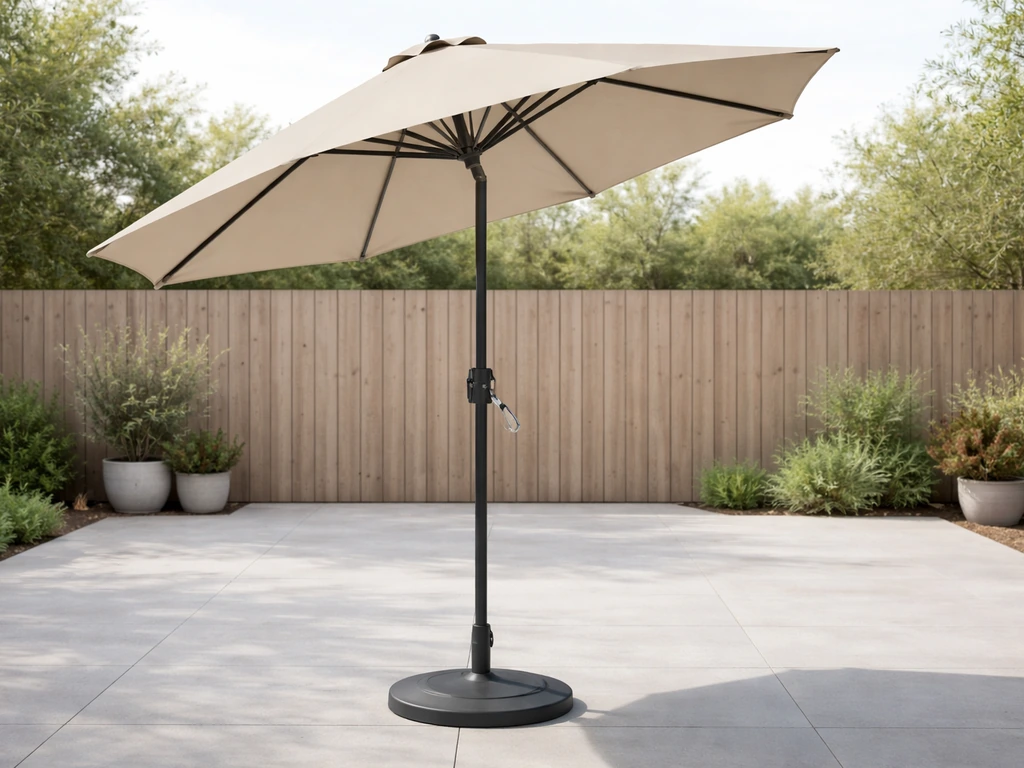
Step-by-step Mainstays patio umbrella instructions for setup, safe opening, crank tilt fixes, stability, wind safety, st
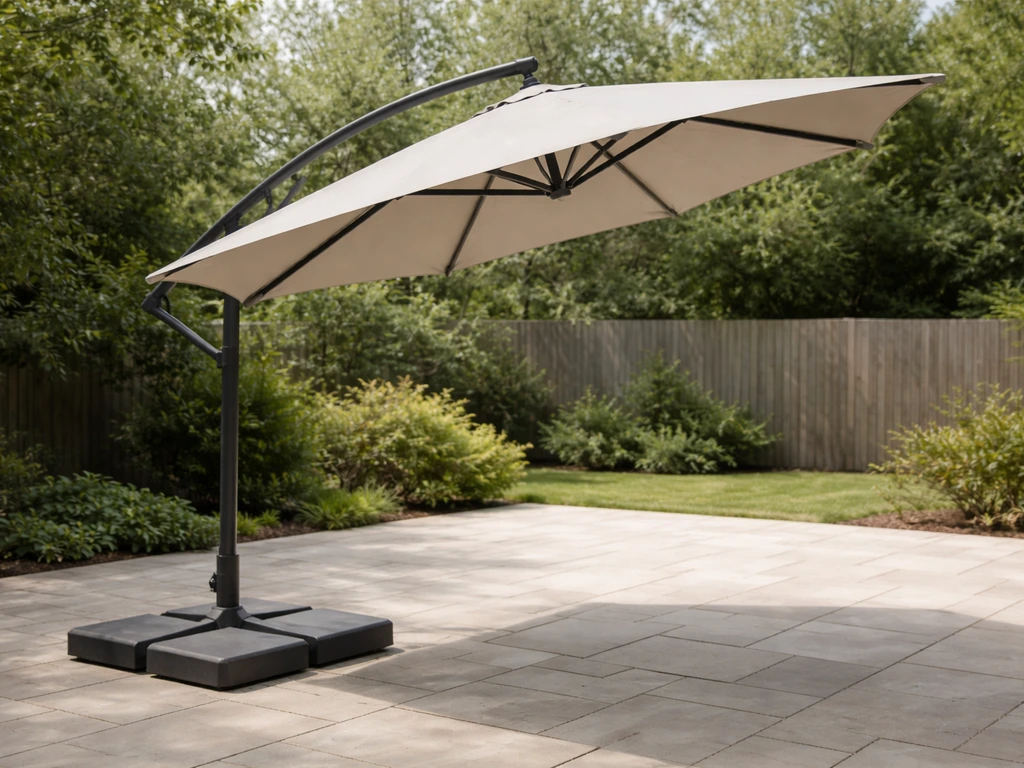
Step-by-step cantilever patio umbrella instructions for assembly, tilt and crank troubleshooting, and stable, safe setup
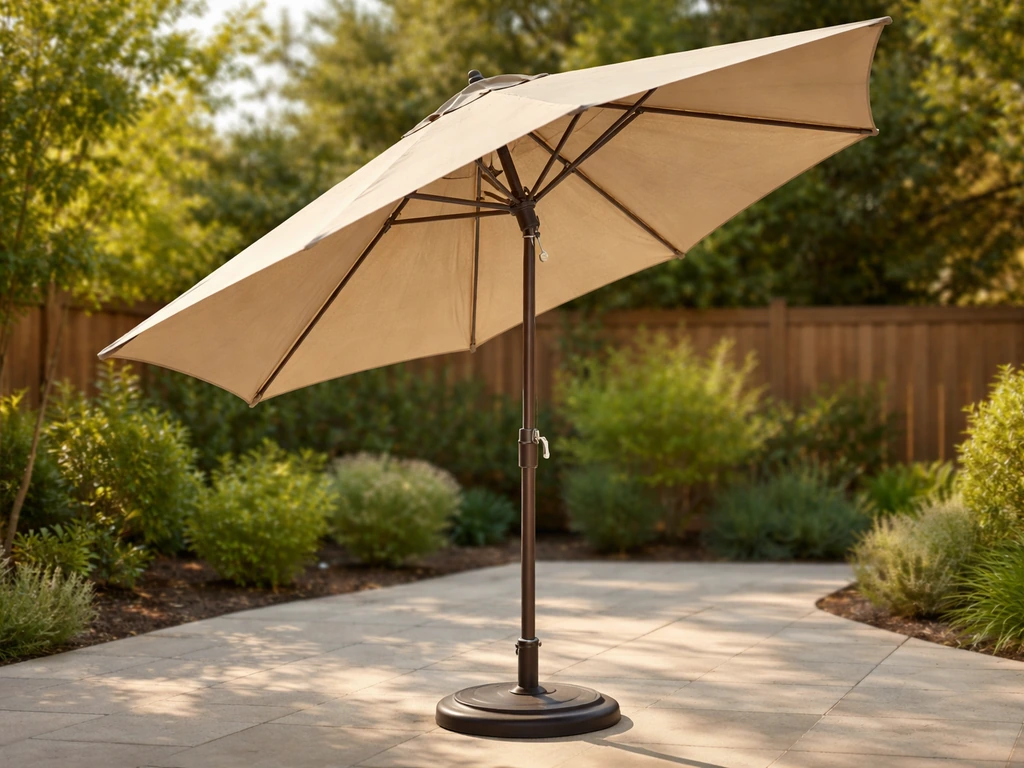
Auto tilt patio umbrella instructions for setup, tilt troubleshooting, fixes for jams or uneven movement, plus maintenan