
Before winter hits, close the umbrella completely, wipe it down, let it dry thoroughly, remove it from the base, and store it upright in a dry indoor spot with a protective cover over it. That's the whole process. Everything else is just doing it correctly so you don't pull it out in spring to find mildew-streaked fabric, a seized crank, or a cracked pole. For a quick rule of thumb, close your patio umbrella before any cold, damp weather so it can fully dry and be stored away safely when should i close my patio umbrella.
How to Store a Patio Umbrella for Winter: Step-by-Step

Luca Morrison
4 May 2026
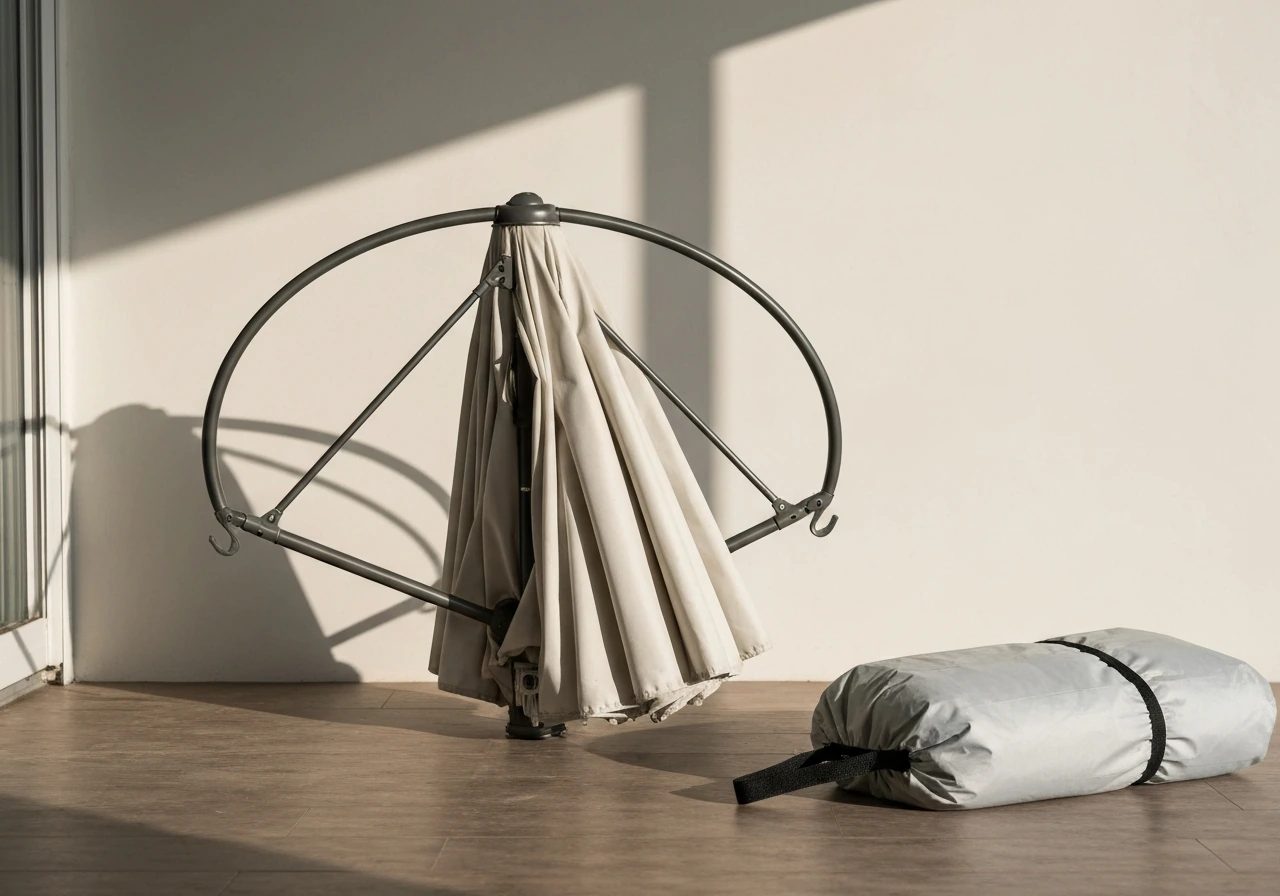
Quick winter prep checklist
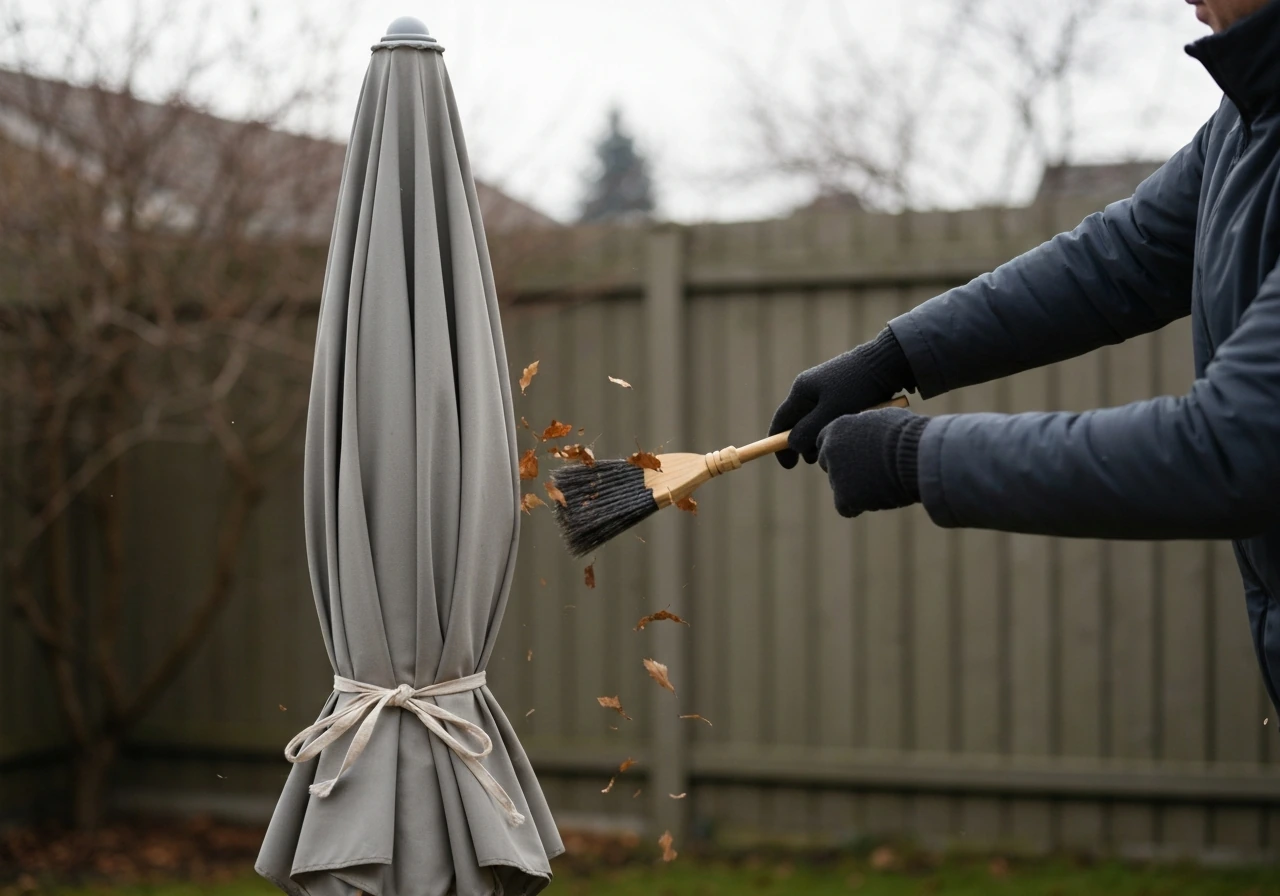
Run through this before you do anything else. It takes about 15 minutes and prevents the most common storage mistakes.
- Close the umbrella fully and tie or velcro the canopy shut
- Brush off any loose debris (leaves, bird droppings, pollen)
- Clean the canopy fabric with mild soap and water
- Rinse thoroughly and open the umbrella to air dry completely — no storing it damp
- Wipe down the frame (pole, ribs, hub) with a dry cloth
- Lubricate the crank mechanism and any tilt joints with a silicone-based spray
- Detach the umbrella from its base or table hole
- Slip on a protective storage cover
- Store upright in an indoor, dry, well-ventilated location
The one step people skip most often: drying. Coolaroo's installation guides are explicit about it, the umbrella must be completely dry before storing, whether it's a market or cantilever style. Storing even slightly damp fabric is how you end up with mildew that won't come out by spring.
Clean and dry it properly before anything goes into storage
Start by brushing off the dry debris before you get it wet. Scrubbing wet leaves or dirt into the fabric just grinds it in. Once it's clear, mix a small amount of mild dish soap (nothing bleach-based unless the manufacturer specifically allows it) with warm water and use a soft-bristle brush or sponge to work across the canopy panels. Pay extra attention to the seams and any folds where moisture and organic material collect.
Rinse it completely. Soap residue left in the fabric can break down the UV coating over time and attract more dirt next season. After rinsing, open the umbrella fully and let it air dry in a shaded, well-ventilated spot, not in direct midday sun, which can fade or stress the fabric while it's wet. Give it several hours, or better yet, a full day. If you close it while it's still damp and bag it up, you're building a perfect environment for mildew to grow all winter. Coolaroo specifically calls this out for both their market and cantilever umbrella lines. If you are trying to freshen the fabric, you should not put the umbrella in the washing machine; instead, follow the gentle cleaning steps and let it dry thoroughly.
While the fabric dries, take a damp cloth to the frame. Wipe down the pole, ribs, and the hub (the center piece where all the ribs connect). If you notice any surface rust starting on metal parts, hit it with a rust-converter spray before it gets worse. Check the cord or rope running through the ribs if your umbrella uses one, if it's fraying, winter storage is a good time to replace it rather than dealing with a snapped cord mid-season next year.
Protect the frame and the crank or tilt mechanism
The frame and its moving parts are the most expensive things to repair or replace, so a few minutes of prevention here pays off significantly. Freezing temperatures are rough on metal mechanisms, especially if any moisture is sitting inside a crank housing or tilt joint and then expands as it freezes.
The crank
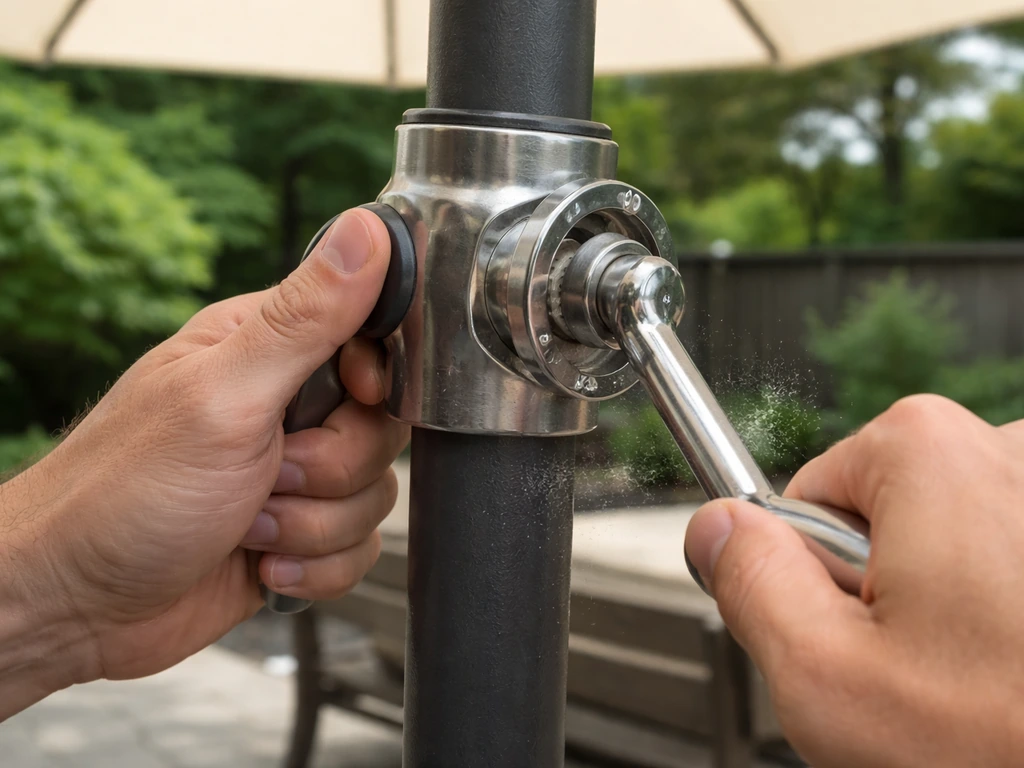
The crank mechanism (the handle-and-gear system you turn to open and close the canopy) should be operated a few times before storage to work out any grit, then lubricated with a silicone-based spray. Avoid WD-40 as a long-term lubricant, it displaces water in the short term but dries out and can leave residue that attracts dirt. A proper silicone spray or a light machine oil applied to the gear teeth and the shaft will protect metal parts through winter.
The tilt mechanism
If your umbrella has a tilt (either a push-button tilt or a collar tilt that you twist), make sure it's in the locked, upright position before storage. Leaving it tilted puts lateral stress on the joint all winter. Spray a little silicone lubricant into the tilt joint itself and work it in by tilting and releasing a few times, then lock it straight. This keeps the internal parts from seizing up or corroding.
The pole and ribs
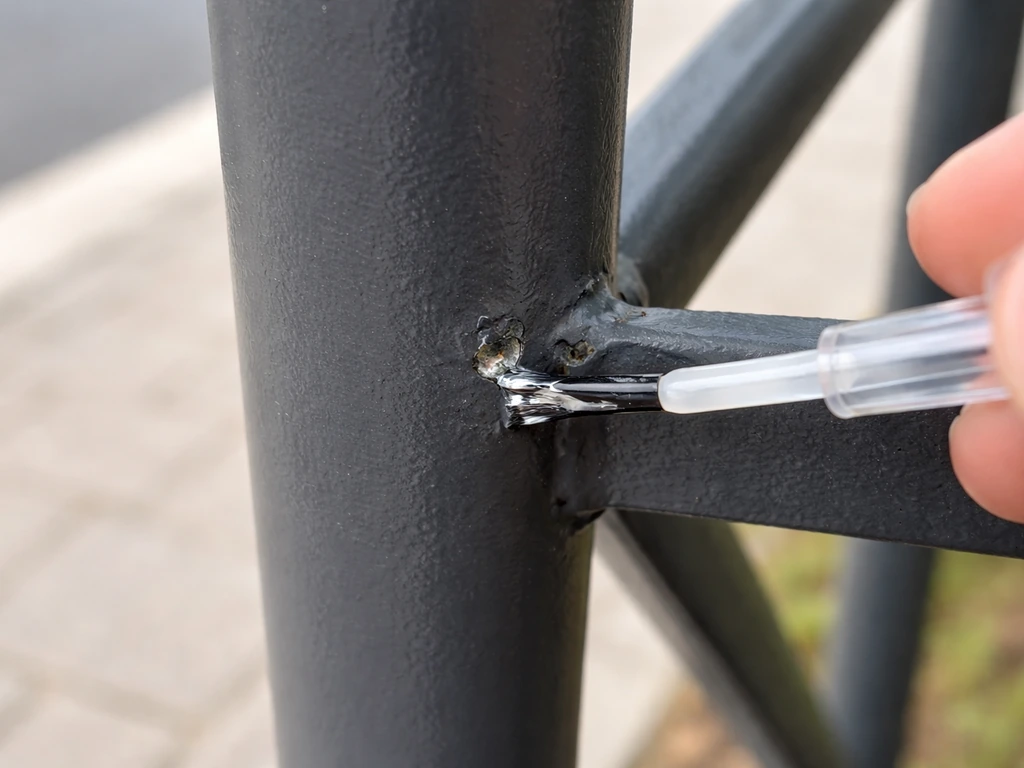
Check the pole for any chips in a painted or powder-coated finish. Any bare metal exposed to moisture over winter is going to rust. A dab of touch-up paint or clear nail polish over small chips is enough to keep it sealed. For aluminum poles, rust is less of a concern, but check for bent or cracked sections that might have come from a wind event during the season, a weakened pole can fail completely come spring.
Pick the right storage spot and orientation
Indoors is always the right answer if you have the option. Tuuci's care and maintenance guidance is straightforward on this: store parasols indoors during extreme winter weather, keep them upright, and use a protective cover. That advice applies to any quality patio umbrella, not just high-end commercial ones.
Upright storage (standing vertically on the pole tip or in a stand) is preferable to laying the umbrella flat. Laying it flat puts stress on the ribs, and if any moisture gets into the bag, it pools rather than draining. Standing it upright is also easier on the tilt joint and keeps the canopy fabric from being compressed in one spot all winter.
A garage is the most practical indoor option for most homeowners. If you're storing in a garage, lean the umbrella against an interior wall (not an exterior wall that gets cold on one side) or prop it in a corner where it won't fall over. A dedicated umbrella storage tube or a simple bungee cord looped around a wall bracket keeps it from tipping. For more details on garage-specific storage setups, the specifics of organizing around other gear is worth looking at separately.
If you don't have a garage, an interior closet, a basement, or a heated utility room works well. A climate-controlled space is ideal because it avoids the freeze-thaw cycling that stresses materials. An unheated shed is better than leaving it outside, but just barely, the temperature swings in an unheated structure can still cause condensation and freeze damage to mechanisms.
Cover it, secure it, and deal with moisture control
A storage cover is not optional for winter. Even indoors, dust, humidity, and temperature changes will work on the fabric and frame if they're left exposed. A fitted cover (like the protective covers Tuuci recommends for their parasols) keeps everything contained and protected. If you don't have a brand-specific cover, a generic patio umbrella storage bag, typically a zippered, padded tube made of polyester or similar material, works perfectly. Size it to fit: most 9-foot market umbrellas fit in a 100-inch bag, and most 11-foot models need a 120-inch bag.
Before you zip or tie the cover shut, make sure the canopy is completely tied or velcroed closed. A canopy that can fan open inside a bag will stress the ribs and the hub. Once it's covered, check that the cover itself isn't trapping moisture inside. If you're storing in a slightly humid area like a basement, drop a silica gel packet or two inside the cover before sealing it. This is a cheap way to absorb any residual humidity and prevent mildew from forming inside the bag.
If you have a canopy that's removable and detaches from the frame, you can store them separately. The canopy can be folded flat (once fully dry) and stored in a breathable fabric bag or even a pillowcase. Keep it somewhere with airflow rather than in a sealed plastic container, which traps moisture. The frame can be stored on its own, which makes it easier to fit into tight spaces.
Different umbrella types and a few common issues
Market umbrellas (center pole)
Standard market umbrellas are the most straightforward to store. Close fully, tie the canopy, remove from the base, cover, and store upright. One common mistake: people leave the finial (the decorative cap on the very top of the pole) screwed on loosely, which lets water into the top of the pole. Make sure it's hand-tightened snugly before storage.
Cantilever or offset umbrellas
Cantilever umbrellas have a side pole and an arm that extends out, so the canopy sits off to the side of the base. The mechanical complexity is higher, more joints, a cross-bar frame, and often a rotation mechanism. Coolaroo's cantilever manual is explicit that the umbrella must be completely dry before storing. For cantilevers, it's almost always better to detach the canopy from the frame and store them separately. The cross-bar frame and rotating joint should be lubricated and inspected for any cracked plastic housing before it goes into storage. Cantilever arms are long and awkward, a garage wall mount or a horizontal rack makes this much easier to manage.
Sunbrella and similar performance fabrics
Sunbrella and similar solution-dyed acrylic canopies are more resistant to mildew than cheaper polyester fabrics, but they're not immune. Sunbrella’s care guidance notes that Sunbrella fabrics do not promote mildew growth, but mildew may grow on dirt or other substances left on the fabric. The cleaning and drying steps still matter. One thing to avoid with Sunbrella fabric specifically: don't fold it on the same crease lines every year. Repeated folding in the same spots weakens the fibers over time. Roll the canopy loosely or store it flat rather than accordion-folding it into a tight square.
Common problems to catch before storage
- Stiff or skipping crank: the gear or shaft needs lubrication — do it now rather than forcing it in spring
- Frayed lift cord: replace before storage so it's ready to go in April
- Mildew spots on fabric: treat with a diluted white vinegar solution or a mildew remover rated for outdoor fabrics, rinse, and dry fully before storing
- Bent ribs: a rib with a slight bend can still function, but mark it so you know to watch it — if it's kinked sharply, replace it before next season
- Loose tilt collar: if the tilt doesn't hold position, the locking pin or the collar teeth are worn — this is a cheap fix now and an annoying problem mid-summer if ignored
Getting it ready again in spring
When you pull the umbrella out in spring, don't just open it up and call it done. A quick inspection before the first use saves you from discovering a broken rib or a seized crank when you actually need the shade.
- Remove the storage cover and check the fabric for any mildew or staining that developed over winter
- Inspect every rib by running your hand along each one — feel for bends, cracks, or loose connections at the hub
- Check the lift cord or rope for fraying, especially where it runs through the hub and over any pulleys
- Test the crank by turning it slowly in both directions before you attach it to the base — it should move smoothly without grinding
- Test the tilt mechanism if your umbrella has one — it should click into position and hold
- Check the pole for any new rust spots or finish damage that appeared over winter
- Give the canopy a light rinse to clear any dust from storage, then let it air dry open before using
If the canopy looks fine but has a stale or musty smell, open it up in sunlight for a few hours, UV exposure and airflow usually clears that up without needing to rewash it. If there are actual mildew spots, clean them before using the umbrella, since mildew continues to spread once the fabric warms up and gets humid again.
One more thing worth knowing for the longer term: the decision to store a patio umbrella inside for winter versus leaving it out isn't just about convenience. If you can, leaving a patio umbrella outside in winter is riskier because cold and moisture can damage the fabric and mechanisms over time leaving it out. Proper indoor winter storage consistently extends the life of both the fabric and the frame by several seasons. If you're on the fence about whether to bother bringing it in, the short answer is yes, bring it in. The 20 minutes of effort in October is worth it.
FAQ
What if it’s raining when I try to store my patio umbrella, can I just wipe it down and put it away?
If the fabric is even slightly damp, do not cover or seal the umbrella yet. Open it fully and air-dry it for several hours, ideally a full day, in a shaded, well-ventilated area. If your schedule is tight, you can stand it indoors with the canopy expanded to speed drying, but avoid using a heat gun, hair dryer, or high-heat sources that can stress the fabric coating.
How do I store my patio umbrella if it already has mildew spots or a musty smell?
For mildew spots, you need a targeted clean before storage, because spores can keep spreading in a closed cover. Brush off loose growth first, then wash the canopy with mild dish soap and warm water, rinse thoroughly, and let it dry fully with the umbrella open. If the mildew smell returns even after drying, repeat the cleaning step rather than just covering it and hoping it fades.
Is it okay to store the umbrella in a zippered storage bag, or will it trap moisture?
A zippered bag or storage tube is fine, but it must not trap airflow when the umbrella goes into it. Confirm the canopy is tightly secured closed, then before sealing, check that the cover material is breathable or that it stays dry inside. In humid basements, use silica gel packets inside the cover and replace them next season, since the packets can become saturated over time.
Can I store my umbrella upright in a garage next to a cold exterior wall?
Yes, but only if you do it in a way that prevents condensation. Avoid exterior walls in a cold garage, since the outside wall can be colder and encourage moisture to form on the umbrella. If possible, keep the umbrella toward the warmer interior wall and use a cover, then re-check in mid-winter for any trapped dampness after storms.
What cleaning products should I avoid when preparing the umbrella for winter?
Use only manufacturer-approved products on the canopy coating, and skip bleach-based cleaners unless the umbrella manual explicitly allows it. For general maintenance, mild dish soap and warm water are the safest choice. If you are unsure about an upholstery-style stain remover, test it on a hidden seam first, then rinse and dry completely before storage.
My crank feels a little stiff, should I lubricate it before winter or leave it alone?
If the crank feels gritty or hard to operate, cycle it a few times after cleaning, then apply a silicone-based spray to the gear teeth and moving points. Don’t force it, because forcing can bend linkages and make the mechanism seize when temperatures drop. If it still won’t move smoothly, plan to have it serviced before winter storage.
Can I store the canopy and frame separately for winter, and what’s the best way to do that?
Yes, if it is a removable-canopy design. Store the canopy in a breathable fabric bag or a pillowcase and keep it away from sealed plastic, since plastic traps humidity. Store the frame separately in an upright position with the joints protected and covered, so you can inspect the mechanism and any fraying cord more easily.
What’s the big deal about the finial, and how tight should it be for winter storage?
Don’t leave the finial loosely tightened. Make it hand-tight and snug, this reduces the chance of rainwater or melting snow running down the pole top and sitting inside the shaft. If you notice water marks inside the pole after storms, wipe and dry the pole again before covering it.
How can I prevent the canopy from accidentally opening inside the cover during winter?
For open-umbrella canopies, store it closed fully and tie or secure the canopy so it cannot spring open inside the cover. If your cover is the kind where the umbrella can move around, use an extra tie strap or wrap so the ribs and hub do not take stress while being stored. Avoid leaving it loose enough to “fan” when air changes temperature.
Does Sunbrella fabric mean I don’t need to worry about mildew, and should I change how I fold it each year?
Sunbrella-style solution-dyed fabric resists mildew better, but it still can get moldy if stored damp or in a sealed humid bag. Rotate your folding pattern or avoid reusing the exact same creases, and consider loosely rolling instead of accordion-folding into a tight shape. Always dry completely before it goes into any cover.
What should I check when I bring the umbrella out in spring before using it?
In the spring, do a short inspection before opening fully. Check the tilt locks, crank operation, ribs for hairline cracks, and the hub area for corrosion or residue. If you hear grinding or feel binding when you open, stop and lubricate the mechanism before attempting full extension, which reduces the chance of breaking a rib under load.
What if I don’t have indoor space, is storing it outside for the winter ever acceptable?
If you must store outside temporarily, minimize exposure time and protect from rain, not just snow. Keep it upright, use a high-quality fitted cover designed for outdoor winter use, and ensure the cover does not sag or trap puddles. Expect shorter lifespan, and plan a re-clean and full dry when you move it indoors for proper long-term storage.
Next Articles
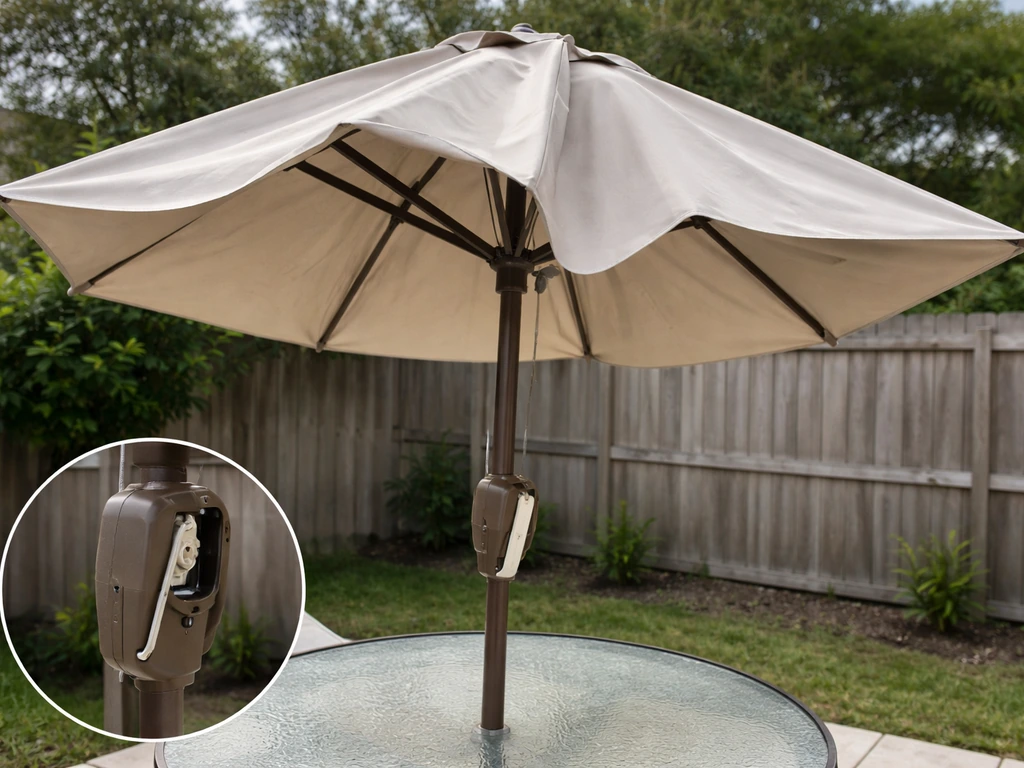
How to Fix a Patio Umbrella That Won't Open or Close
Step-by-step fixes for patio umbrellas that won’t open or close, with checks for jams, cords, latches, and lubricating t
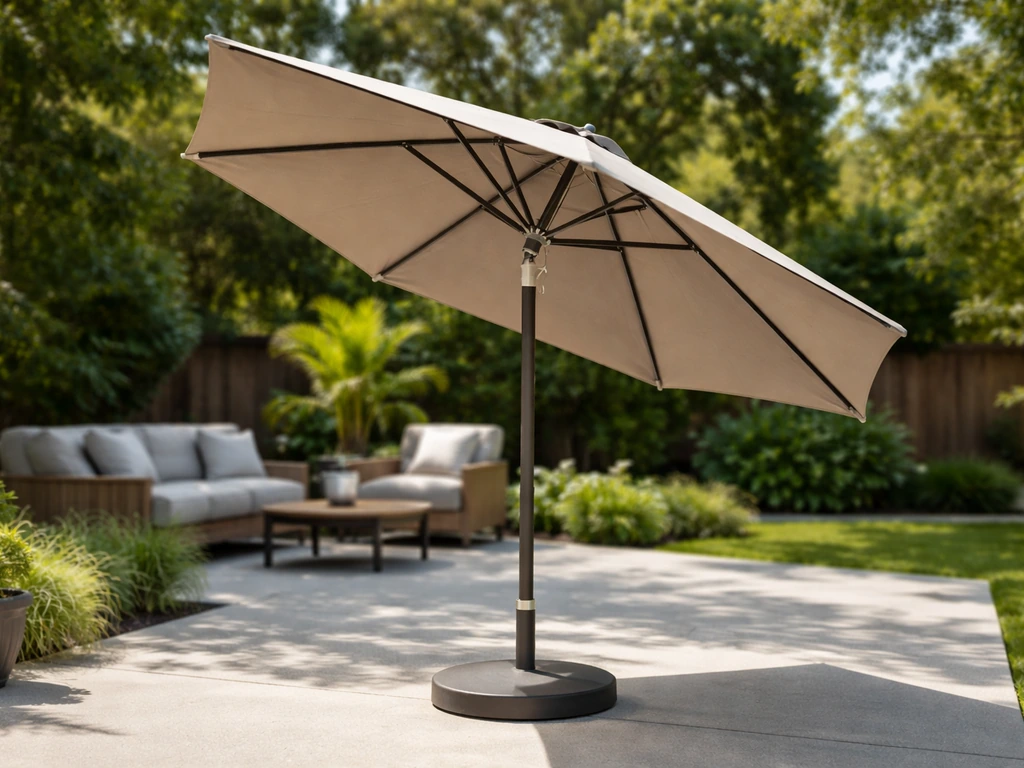
How Does a Patio Umbrella Work? Components, Use, and Fixes
Learn how patio umbrellas work: components, open close tilt, stability, and step by step troubleshooting common mechanic
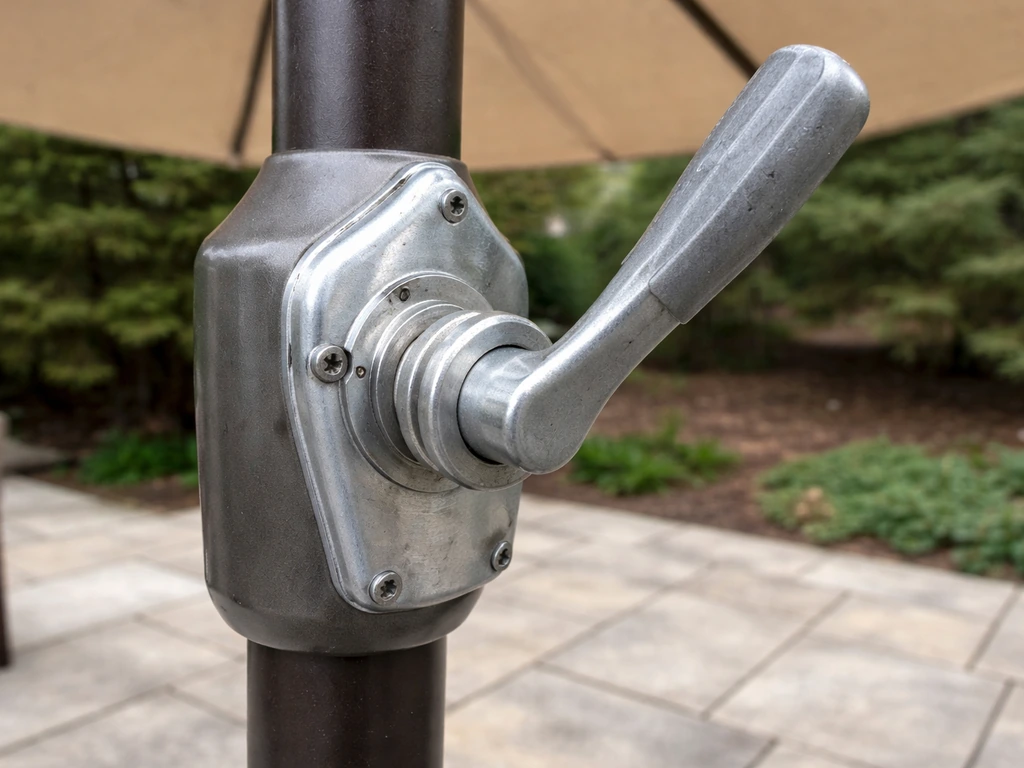
Patio Umbrella Crank Not Working: DIY Fix Guide
Fix a patio umbrella crank that won’t work with safe step-by-step jam, gear, and base troubleshooting and repair tips.