
An auto-tilt patio umbrella works by linking the crank handle directly to both the opening mechanism and the tilt joint. When you turn the crank clockwise, it first opens the canopy fully. Once the ribs hit their stop position, [continuing to crank clockwise shifts the internal drive to a pivot point in the pole](https://www. patioliving.
How to Auto Tilt Patio Umbrellas Work and Use Them
Luca Morrison
7 May 2026
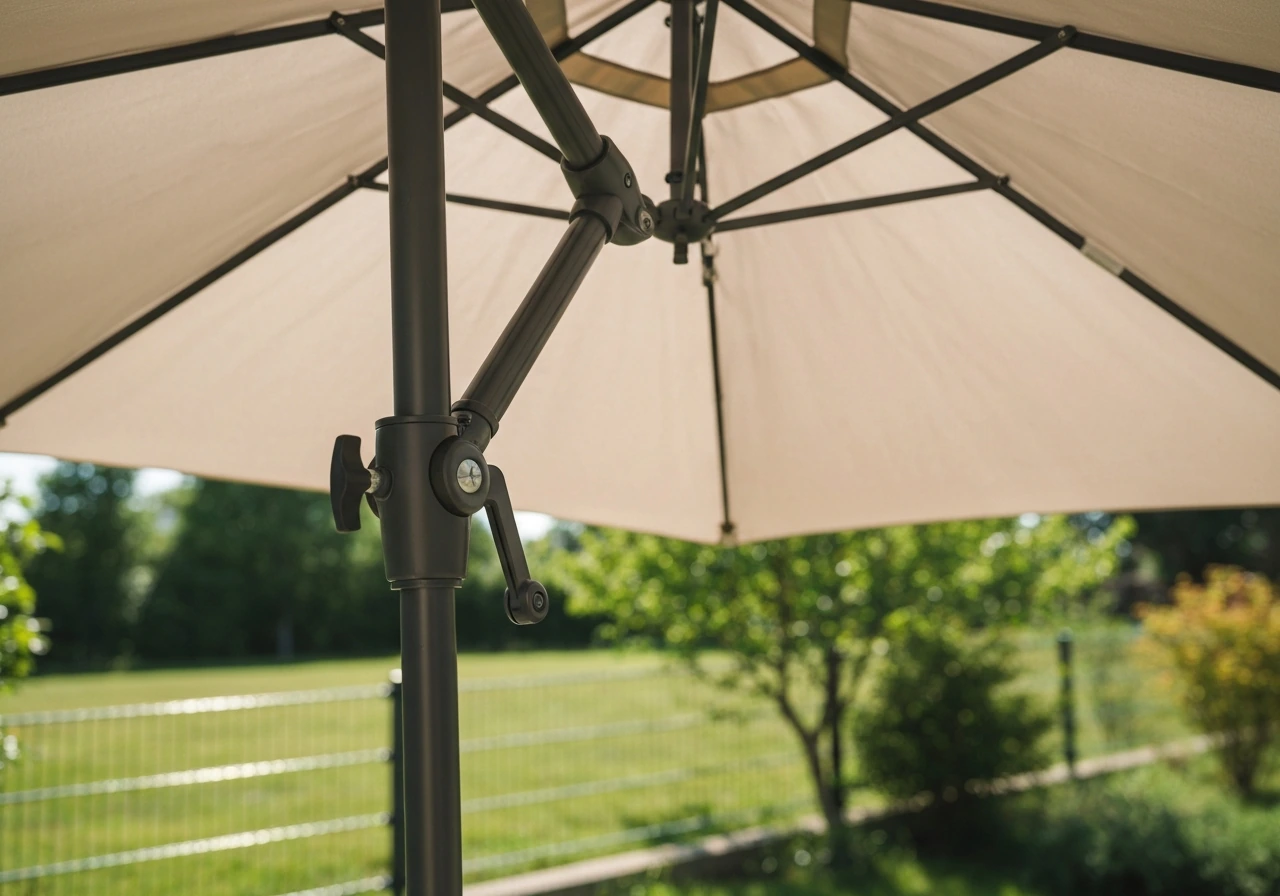
com/buying-guides/outdoor-umbrella-buying-guide) (usually a spindle or slider housed inside a tilt collar), which angles the canopy off-vertical. Turn counter-clockwise and everything reverses: the umbrella tilts back upright, then closes. If you find you need to untilt it, follow the same crank-in-reverse direction to bring the canopy back upright how to untilt a patio umbrella. There's no separate button or lever for most auto-tilt models, the crank does everything in sequence.
How the auto-tilt mechanism is actually built
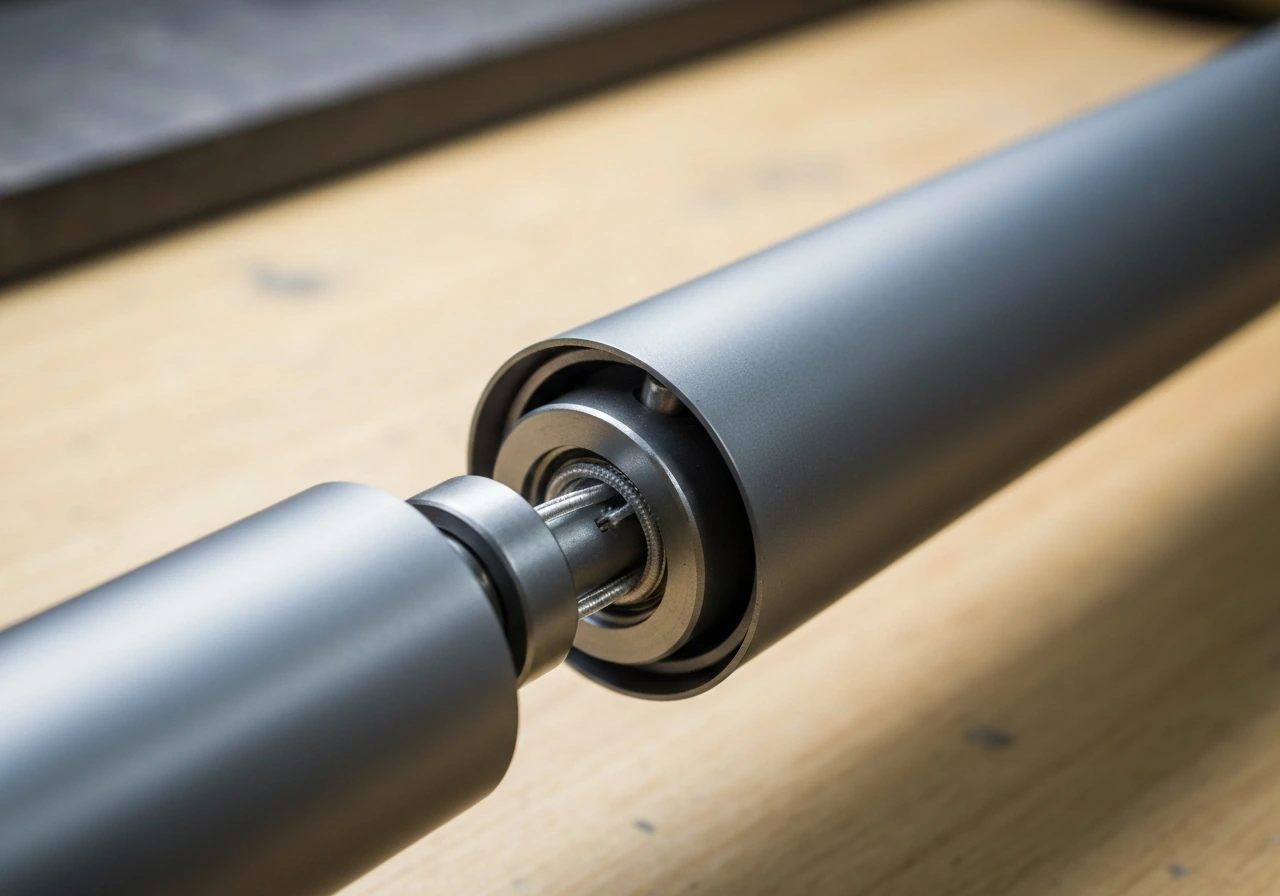
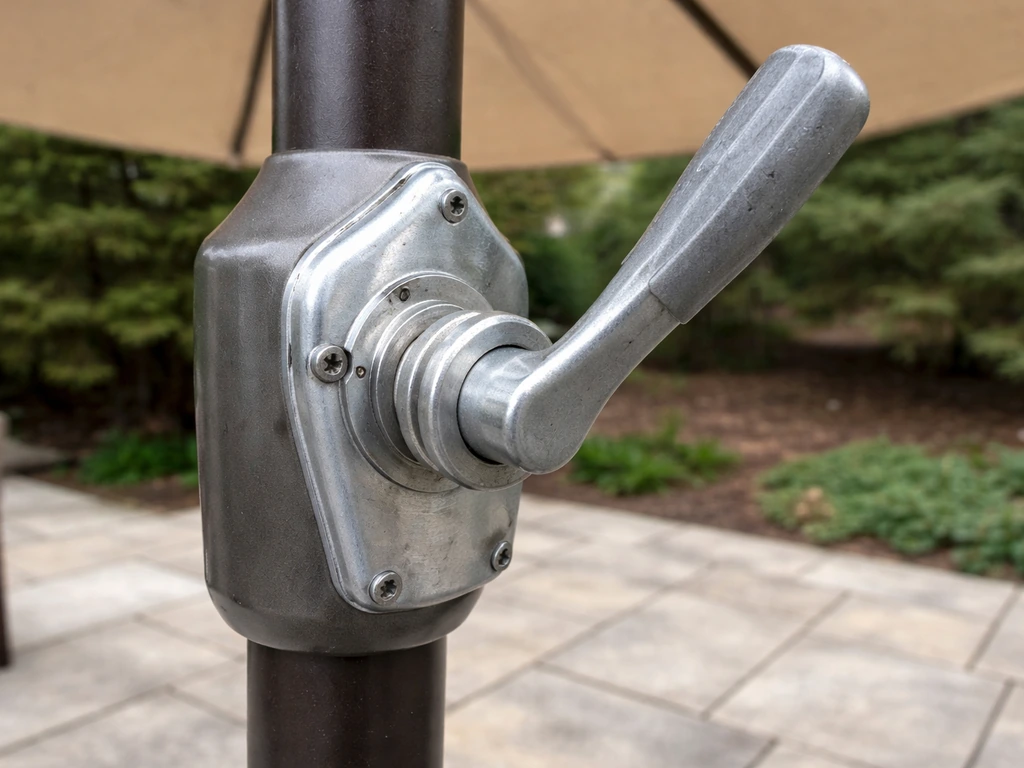
Most auto-tilt umbrellas share the same core architecture even when the brand name changes. The pole is split into two sections joined by a tilt collar, sometimes called a hub or pivot housing. Inside that collar sits a spindle or a sliding cam that can pivot the upper pole section forward. A cord or drive gear connects this pivot to the crank at the bottom of the pole. When you crank, a series of gears or a wound cord transmits that rotation upward. Once the canopy is fully open and the hub reaches what manufacturers call the stop ring, the drive energy has nowhere else to go except into the pivot joint. That's when the tilt begins.
The stop ring is the key component most people don't know about. It's a physical ring inside the pole that blocks the opening slider from going further once the canopy is at full spread. After that point, every clockwise turn you make angles the upper section of the pole. Most umbrellas are designed to stop at a maximum tilt of around 30 degrees, the SUNVILLA 10-foot auto-tilt manual is explicit about this, and the same limit applies to most residential market umbrellas. Forcing the crank past this mechanical stop is one of the top ways the mechanism gets damaged.
Some models, like the Costco 9 ft auto-tilt, add a rotate collar just below the tilt joint. You pull down on that collar and turn it to rotate the entire canopy 360 degrees so you can aim the tilt in any direction relative to the sun. Release the collar and it locks in place. This is a separate step from the crank tilt, and it's worth knowing because people often try to force the umbrella to rotate by pushing the canopy, which strips the collar's locking teeth over time.
Using an auto-tilt umbrella day to day
The exact steps vary slightly by brand, but the core sequence is nearly identical across Treasure Garden, Costco/Abba Patio, Hampton Bay, and SUNVILLA models. Here's the standard operating procedure:
- Remove any protective cover and untie or unsnap the canopy tie-down straps so the ribs can spread freely.
- Turn the crank handle clockwise slowly and steadily. The canopy will start to open. Keep cranking until you feel a noticeable change in resistance — that's the hub hitting the stop ring.
- If your model has a stabilizing belt or Velcro strap under the tilt hinge (common on Hampton Bay umbrellas), fasten it now to support the open position.
- To tilt: continue turning the crank clockwise past the stop-ring resistance point. The canopy will angle forward. Stop when you reach the desired shade angle. Do not force the crank if it stops moving — you've hit the maximum tilt (usually 30 degrees).
- To rotate the tilt direction (on models with a rotate collar): pull down on the collar below the tilt joint, turn it until the canopy faces where you need shade, then release and let it lock.
- To return to upright: turn the crank counter-clockwise. The canopy will tilt back to vertical first, then the ribs will begin to close.
- To fully close: keep turning counter-clockwise until the canopy is fully collapsed. Tie the canopy closed and put the cover back on.
One gotcha worth knowing: on the Costco auto-tilt model, if you keep cranking counter-clockwise after the umbrella is fully closed, it will start opening again. This happens because the locking mechanism only holds the canopy up when tension is applied in the clockwise direction. Opening counter-clockwise is mechanically possible but the umbrella won't stay up that way, it will flop back down. If you notice your umbrella keeps flopping open when you're trying to store it, you've likely been cranking the wrong way.
Hampton Bay's tilt knob system
Hampton Bay market umbrellas use a slightly different approach for angle adjustment. If you’re wondering how to tilt a Hampton Bay patio umbrella, the tilt knob on the pole is the key control to use Hampton Bay market umbrellas use a slightly different approach for angle adjustment. . Instead of the crank controlling tilt angle by itself, there's a separate shade handle or knob on the pole.
To tilt, you [loosen that knob counter-clockwise, slide the umbrella handle down to set your angle, then tighten the knob clockwise to lock it. ](https://www. homedepot. com/catalog/pdfImages/c7/c7a6fec4-36b5-4f44-8dc8-9761dc809034.
pdf) To close, loosen the knob again, return to upright, then tighten. This hybrid approach is worth knowing because if you don't tighten the knob after adjusting, the umbrella will slowly drift back to vertical under its own weight or a light breeze. For more detail on this specific system, the Hampton Bay-specific guide on this site covers that model's quirks in depth.
When the tilt stops working: common failure points
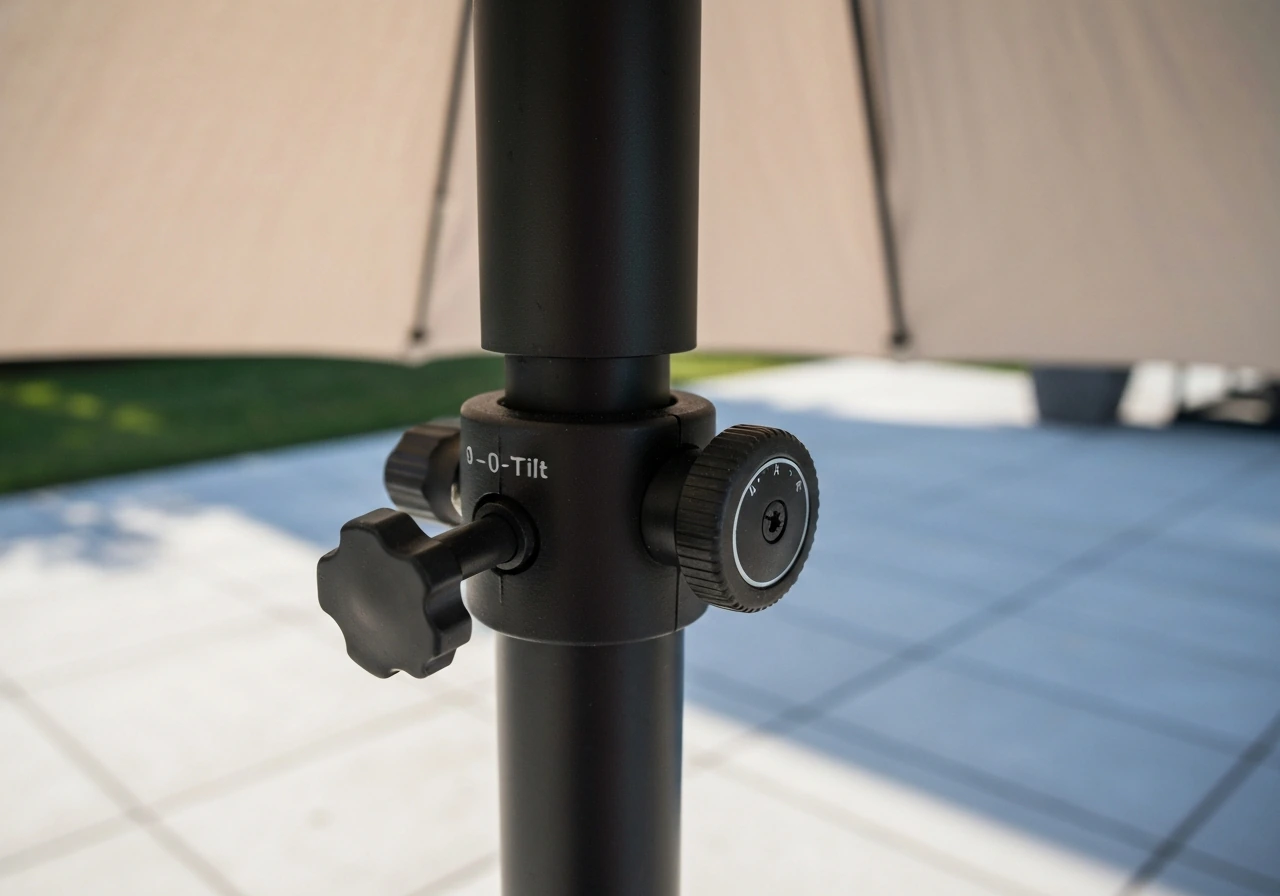
Most auto-tilt failures fall into one of four categories: the crank turns but nothing tilts, the umbrella tilts but won't hold position, the tilt is stiff or only goes partway, or the whole mechanism feels loose and sloppy. Here's how to read the symptoms.
| Symptom | Most Likely Cause | Difficulty to Fix |
|---|---|---|
| Crank turns freely but canopy doesn't tilt | Broken or detached internal cord or stripped gear | Moderate — cord replacement is DIY-able; stripped gear may need a part |
| Canopy tilts partway then stops short of full tilt | Hub not reaching the stop ring / canopy not fully open first | Easy — open fully before tilting |
| Tilt works but canopy drifts back upright on its own | Worn locking cam or loose tension in tilt collar | Moderate — collar may need adjustment or replacement |
| Crank is very stiff at the tilt stage | Dried-out pivot joint or cord binding inside the pole | Easy — lubrication usually fixes this |
| Umbrella half-tilted and won't move in either direction | Cord jammed or knotted inside the pole | Moderate — requires disassembly to clear |
| Rotate collar spins but doesn't lock | Worn or broken locking teeth on the collar | Moderate — collar replacement part needed |
Before you pull anything apart, do the simple checks first. Is the canopy fully open before you try to tilt? This is the single most common mistake. The tilt mechanism physically cannot engage until the hub hits the stop ring. If you try to tilt a half-open canopy, you'll either feel nothing happen or you'll feel a grinding resistance that can strip the internal cord. Always crank fully open first, feel for that resistance change, then tilt.
Second check: is the cord visible outside the umbrella frame? On Treasure Garden UM810 and UM812 models, there's a section of the tilt cord that runs externally along the pole before going back inside. If your cord snapped, you should be able to see a frayed or broken end poking out. The Treasure Garden cord replacement manual makes this a go/no-go check: if the broken cord is entirely internal and not accessible from outside the frame, DIY cord replacement isn't possible on those models and you'd need a professional repair or replacement hub section.
How to fix and reset the tilt controls
Resetting a crank that's lost its sequence
If your crank has gotten out of sync (you're turning clockwise but getting closing behavior, or the tilt engages before the canopy is fully open), the fix is usually a full reset. Close the umbrella completely by cranking counter-clockwise until the canopy is fully collapsed. Remove the crank handle if it detaches (on Hampton Bay, align the tap with the hole and push to snap off; on some models you'll need to press a spring tab). With the umbrella fully closed and at rest, reattach the crank and start fresh from a closed position. This re-syncs the drive mechanism to its intended start position.
Replacing a broken cord on Treasure Garden UM810/UM812
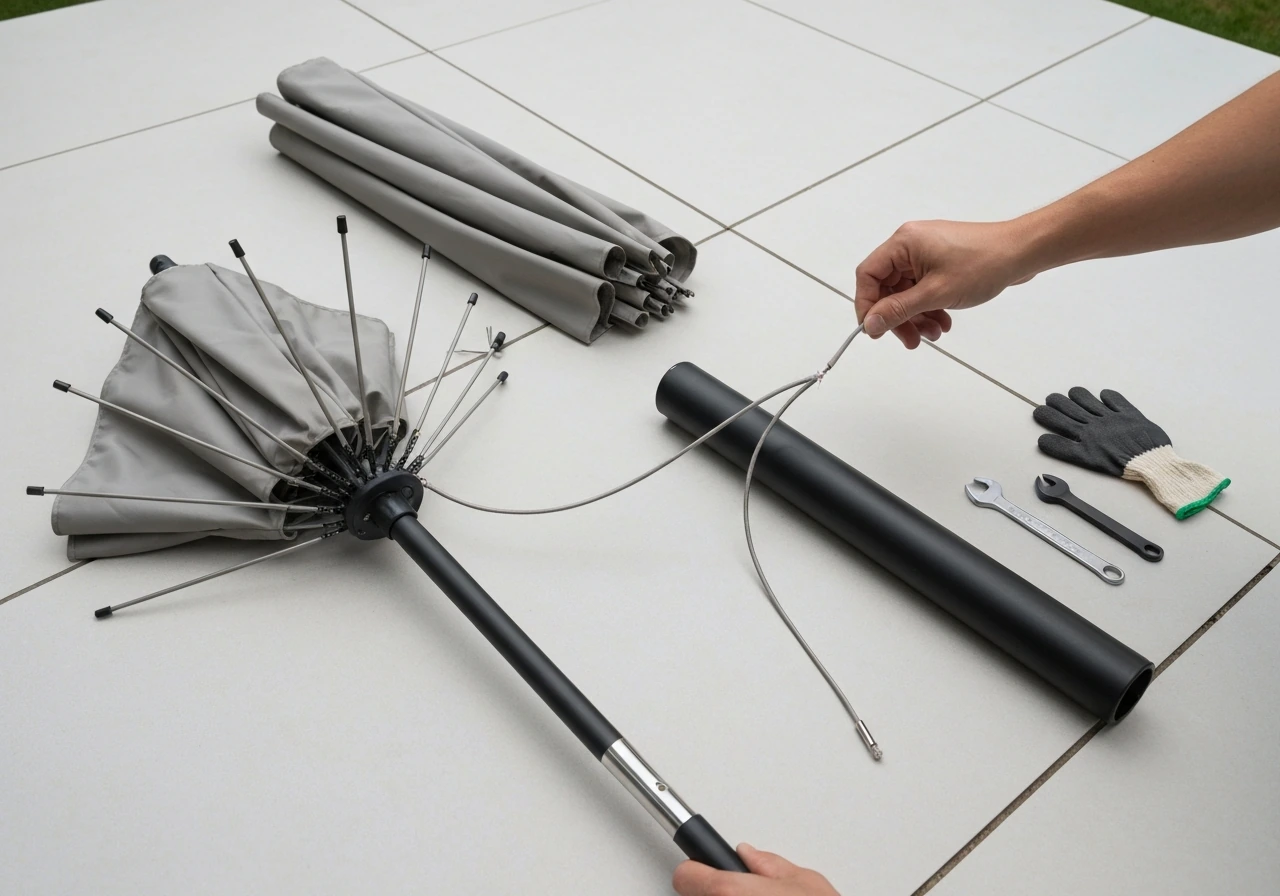
- Remove the canopy completely by detaching it from the ribs and hub.
- Remove the bottom pole section from the base.
- Confirm the cord break is accessible — you should see a visible section of cord on the outside of the pole frame. If it's entirely internal, stop here.
- Unscrew and remove the crank housing from the pole.
- Rotate the umbrella so the crank mechanism faces upward (makes working inside it easier).
- Remove the cotter pin that secures the cord spool or drive drum inside the housing.
- Thread the new cord through the same path the old cord took, following any routing guides or channels inside the pole.
- Reseat the spool, replace the cotter pin, reassemble the crank housing, reattach the bottom pole and canopy.
- Test by cranking from fully closed: open fully, confirm the tilt engages only after the full-open resistance is felt.
Cord replacements for most Treasure Garden models are available as branded replacement parts. When ordering, have your model number (UM810, UM812, or UM8810RT) ready because the cord length and routing differ between sizes. A wrong-length cord will either go slack before the tilt engages or go taut before the canopy fully opens.
When the tilt collar or pivot joint is the problem
If the cord is intact but the umbrella won't hold its tilt angle, the issue is usually inside the tilt collar itself. The pivot joint uses either a friction lock or a cam-and-pawl system to hold position. On cam-style systems, a plastic or metal cam wears down over two to three seasons of heavy use. You can often feel this as a ratcheting or clicking that no longer holds.
The fix is to replace the tilt collar assembly as a unit. If your tilt mechanism is broken, replacing the correct part can restore smooth, reliable angle control broken patio umbrella tilt mechanism replacement part. These are sold as individual repair parts for most major brands, and the process generally involves removing a roll pin or cotter pin at the pivot point, sliding the old collar off the pole, and pressing the new one on.
For more detail on sourcing the right part, the guide on broken patio umbrella tilt mechanism replacement parts on this site walks through how to identify and order the correct component.
Keeping the tilt working smoothly all season
Cleaning
Clean the pole and mechanism twice a season at minimum: once at setup and once mid-season. For the frame and pole, use a mild detergent mixed with warm water and a soft cloth. Don't use abrasive cleaners, steel wool, or solvent-based products on aluminum, they'll strip the anodized finish and accelerate oxidation, which is one of the main things that makes tilt collars seize up. For the canopy fabric, use lukewarm water, a small amount of mild soap, and a sponge. Wipe sliding marks or residue off aluminum pole sections with a damp cloth. Rinse everything with clean water and let it dry before closing.
Lubrication
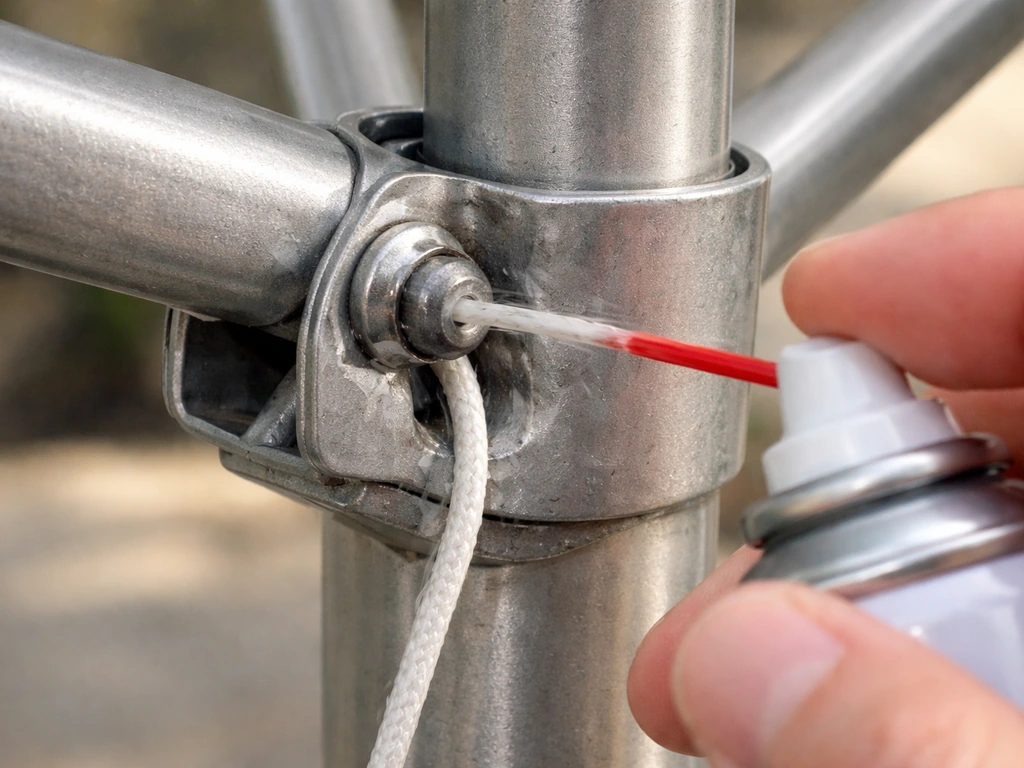
This is the step most people skip and then wonder why their tilt mechanism is stiff or squeaky. Apply a dry silicone spray or white lithium grease to these specific points once at the start of each season:
- The pivot pin or spindle inside the tilt collar
- The internal cord where it exits and re-enters the pole housing (if accessible)
- The crank gear housing — a small amount of white lithium grease on the gear teeth
- The rib pivot points where the ribs attach to the hub
- The rotate collar's locking teeth (if your model has one)
Avoid WD-40 on plastic cam components or cord mechanisms. WD-40 displaces moisture short-term but leaves a residue that attracts grit and accelerates wear on plastic parts. Stick to silicone spray for plastic-on-metal contacts and white lithium grease for metal-on-metal.
Checking alignment and tension
Once a season, with the umbrella fully open and vertical, check that the tilt collar sits centered on the pole with no visible lean. If the upper pole section leans slightly to one side even when the tilt should be at zero degrees, the collar's pivot pin may have shifted or the pole sections aren't fully seated. Push the upper section firmly down into the collar and confirm the locking pin is engaged. Also check for any fraying where the cord exits the housing. Early fraying means you have maybe one season before a full cord break, better to replace it on your schedule than have it snap mid-summer.
Wind safety and anchoring your tilt umbrella
Tilt position dramatically changes how wind loads on the umbrella. An umbrella tilted at 30 degrees catches significantly more horizontal wind force than one sitting vertical. Both Treasure Garden and Hampton Bay manuals are direct about this: do not use the tilting function during windy conditions. If wind picks up while the umbrella is tilted, return it to vertical first using the crank, then evaluate whether to close it entirely.
The Costco auto-tilt manual adds a useful practical note: if you leave the umbrella half-tilted, wind will naturally push the canopy back toward upright anyway. This might sound reassuring, but what actually happens is the canopy snaps back hard against the tilt stop, stressing the pivot joint and cord. It's not a safe self-correction, it's a recipe for a cracked collar or snapped cord.
Base weight is the other critical factor. Treasure Garden publishes specific minimum weights by model: 50 lbs for the UM810, 80 lbs for the UM812, and 100 lbs for the UM8810RT. These aren't suggestions, an undersized base with a tilted 9 or 11-foot canopy is a genuine safety hazard. If you're running a heavy market umbrella off a lightweight resin base, upgrade the base before you start using the tilt function. Sand or water-fill bases should be filled completely, not halfway.
- Always return to vertical and close the umbrella when leaving the patio unattended
- In winds above 20 mph, close completely and tie the canopy straps
- Close and store at the first sign of an approaching storm — do not wait to see if it passes
- Use a bolt-down or in-ground base mount for umbrellas 9 ft or larger if your patio surface allows it
- Tie the canopy closed when the umbrella is stored between uses, not just covered
Putting it away for winter
Before you store the umbrella for winter, let the canopy dry completely in the open position if it's been rained on. Don't close a wet canopy, mold and mildew will develop on the fabric over winter storage and the moisture accelerates corrosion inside the tilt collar and cord housing. Once dry, close it fully, tie the canopy straps snugly, and apply your silicone spray to the tilt collar pivot and crank gears one more time before covering.
Store the umbrella upright in a dry, sheltered location, a garage or shed is ideal. Laying it on its side puts lateral stress on the tilt collar over months of storage and can cause the pivot joint to sit slightly out of alignment by spring. If you must store it horizontally, support the pole at multiple points so it isn't bending at the tilt collar junction.
When you bring it back out in spring, do a function check before you set it up for the season. Crank it open slowly and watch the tilt collar for any wobble. Test the tilt through its full range. Check the cord for fraying. The Treasure Garden manual puts it simply: after winter, check condition and function, and have any defects repaired before use. If the tilt mechanism is grinding, skipping, or refusing to hold angle, that's the time to address it with a cord replacement, lubrication, or collar swap, not in the middle of July when you actually need it.
FAQ
How do I know I reached the start point where the umbrella can tilt (not just open)?
With most crank auto-tilt models, you will feel a clear change in resistance after the canopy is fully opened, right when the hub hits its stop ring. If the crank still feels like it is only spreading ribs and you do not feel that resistance shift, keep cranking clockwise until the canopy is fully open before trying to tilt.
Why does my auto-tilt feel like it is grinding when I try to tilt?
Grinding usually means the tilt mechanism is trying to engage before the stop ring is reached (for example, the canopy is partially open), or the cord is out of sync after improper reversing. Close fully by cranking counter-clockwise, reattach the crank, then start again from the closed position.
What should I do if the umbrella tilts but won’t stay at the selected angle?
That points to the holding system inside the tilt collar (friction lock or cam-and-pawl) being worn or slipping. Check for a crooked collar seating, then if it still drifts, plan on replacing the tilt collar assembly as a unit rather than only lubricating.
Can I use WD-40 or other lubricants to fix stiffness or squeaks?
It is better to avoid WD-40 on plastic cam components or cord-driven contacts, because it leaves residue that attracts grit and speeds wear. Use dry silicone spray for plastic-on-metal areas and white lithium grease for metal-on-metal points, and apply only to the recommended locations.
My umbrella rotates 360 degrees too, but the tilt works oddly. Is the rotate collar adjustment separate?
Yes. Many models have a rotate collar below the tilt joint controlled by a pull-down collar (separate from crank tilt). If the rotation collar is not fully locked, it can cause misalignment that makes tilting feel inconsistent, so ensure it clicks back into its locked position before using the crank.
How far can I tilt it, and what happens if I keep cranking past the limit?
Most residential auto-tilt umbrellas are designed to cap at about a 30 degree tilt. Continuing to crank past that mechanical stop can damage the internal drive cord or spindle and cause premature failure, so stop cranking as soon as you feel the hard stop.
Is it safe to leave the umbrella slightly tilted while waiting it out (like for quick shade changes)?
No, even a partially tilted position is not a reliable self-correction in wind. The canopy can snap back against the tilt stop, stressing the pivot joint and cord, so if conditions change, return it upright promptly using the crank.
What base weight should I use if my model is missing from the manual?
If you cannot find a published minimum for your specific umbrella, use the closest listed model’s minimum weight as a conservative baseline, then add margin for windy areas. For tilted use, an undersized base is a safety hazard, and water-fill or sand-fill bases should be filled completely, not partially.
Do I need to tilt before closing, or close directly when I am done?
You should close from the fully tilted state by using the crank in reverse to bring it upright first, then collapse. For models that only lock with clockwise tension, trying to force storage with counter-clockwise motion can lead to flopping behavior and mis-sync.
Can I replace only the cord, or does the whole collar need to be replaced?
It depends on accessibility. For some models, the cord end is not reachable if the break is fully internal, which makes DIY cord replacement impractical. If the cord is intact but angle control fails, replacing the tilt collar assembly usually restores proper holding.
What are the most common mistakes that cause auto-tilt failure?
The biggest ones are attempting tilt before the canopy is fully open, forcing the mechanism past the tilt limit, using the wrong direction when storing (which can cause flopping and mis-sync), and skipping lubrication and cleaning between seasons. Wind use while tilted is another frequent driver of premature wear.
Next Articles
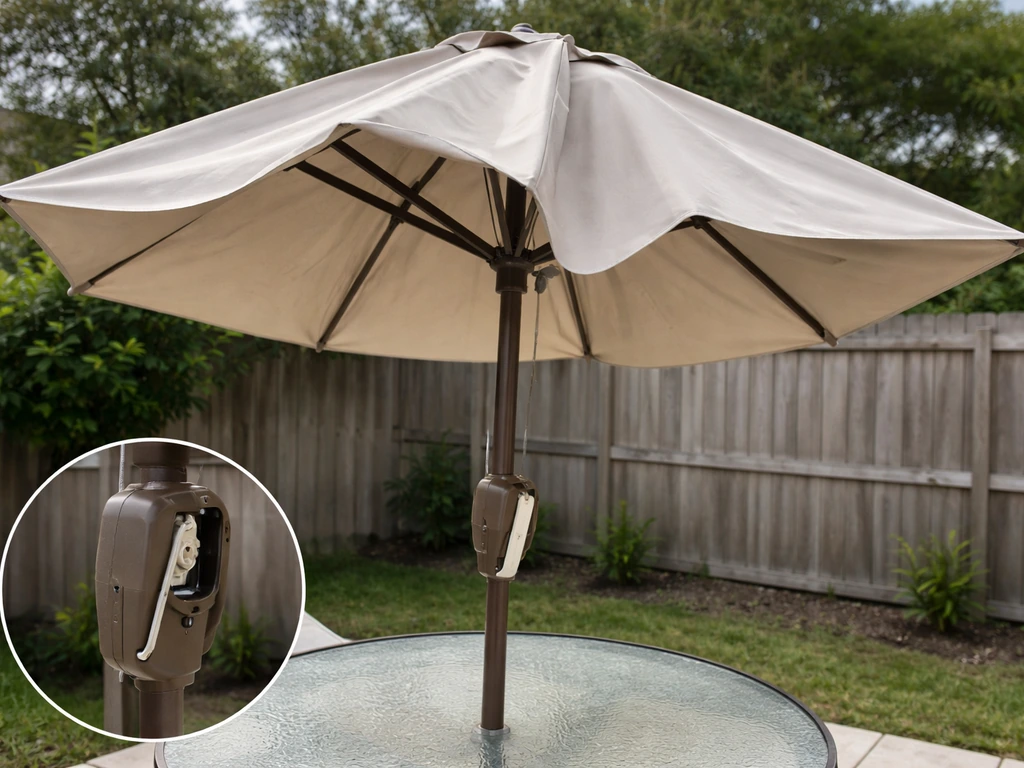
How to Fix a Patio Umbrella That Won't Open or Close
Step-by-step fixes for patio umbrellas that won’t open or close, with checks for jams, cords, latches, and lubricating t
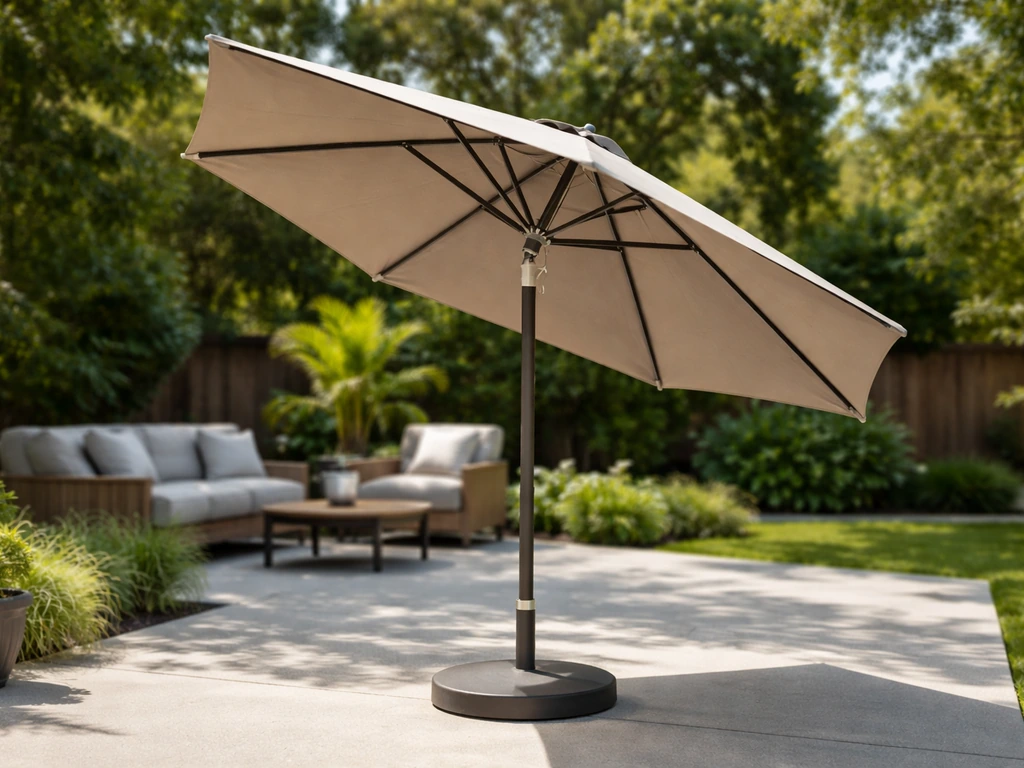
How Does a Patio Umbrella Work? Components, Use, and Fixes
Learn how patio umbrellas work: components, open close tilt, stability, and step by step troubleshooting common mechanic
Patio Umbrella Crank Not Working: DIY Fix Guide
Fix a patio umbrella crank that won’t work with safe step-by-step jam, gear, and base troubleshooting and repair tips.