
For most Allen + Roth patio umbrellas, assembly goes like this: attach the pole to the base with the provided screws, slide the canopy onto the pole and lock it with the pin, then crank the handle clockwise to open. Tilt is either a separate crank slot (on offset/cantilever models) or an auto-tilt triggered by continuing to crank past fully open (on the 9-ft market umbrella models). The base is always sold separately, so you'll need to match the right weight to your umbrella size before you ever crank it open in the wind. That's the core of it, but the details matter, and the steps do vary by model, so read on to match the right procedure to your specific umbrella.
Allen Roth Patio Umbrella Instructions: Setup, Use, Fixes
Luca Morrison
7 May 2026
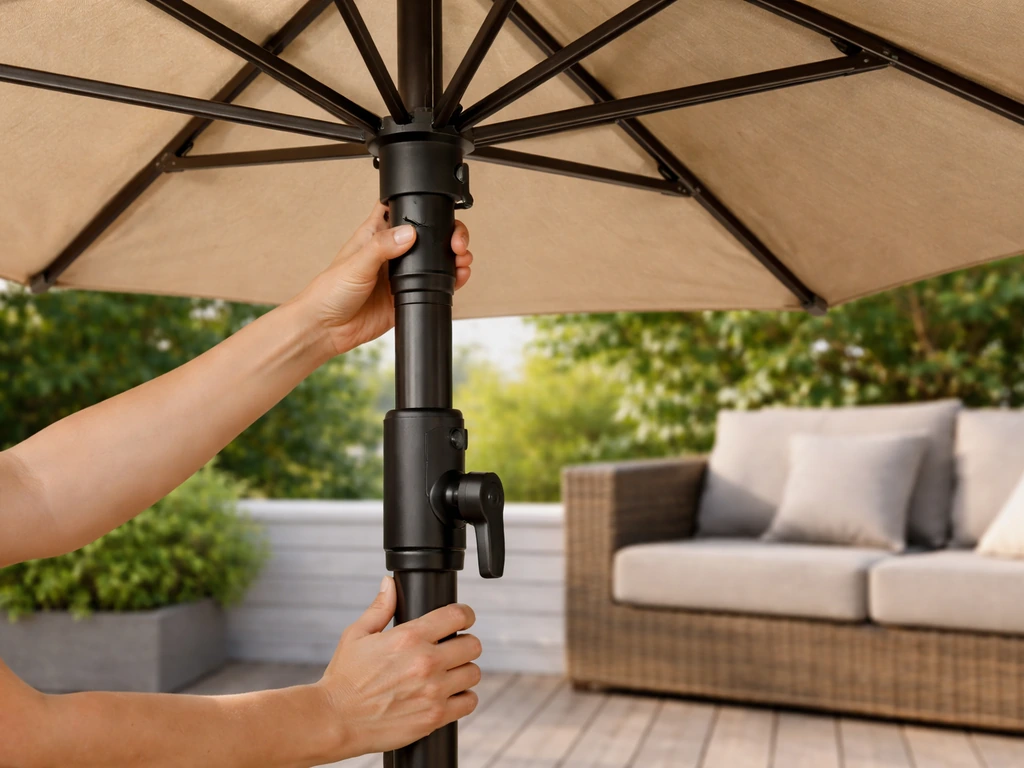
Identify your Allen + Roth umbrella model and parts
Allen + Roth sells several distinct umbrella styles through Lowe's, and the assembly and operating steps are genuinely different between them. The two main categories you'll run into are market umbrellas (the center-pole style that sits inside a table or a freestanding base) and cantilever or offset umbrellas (where the pole comes in from the side and the canopy hangs over the seating area). Before you do anything else, figure out which one you have.
Check the label on the pole or the packaging box for the model number. Common examples include the 9-ft auto-tilt market umbrella (model USA38A278ZT-LS-C, Lowe's item 1099801) and the 11-ft LED-lighted cantilever umbrella (models URM819003J-G and URM819003J-3, Lowe's SKUs 5124131/5124132). Once you have the model number, you can pull the exact PDF manual from the Lowe's product page under "Manuals & Documents" or search BILT for interactive 3D instructions. If you need a similar quick-start for a Blissun patio umbrella, look for the Blissun patio umbrella instructions that match your specific model number Lowe's product page under "Manuals & Documents".
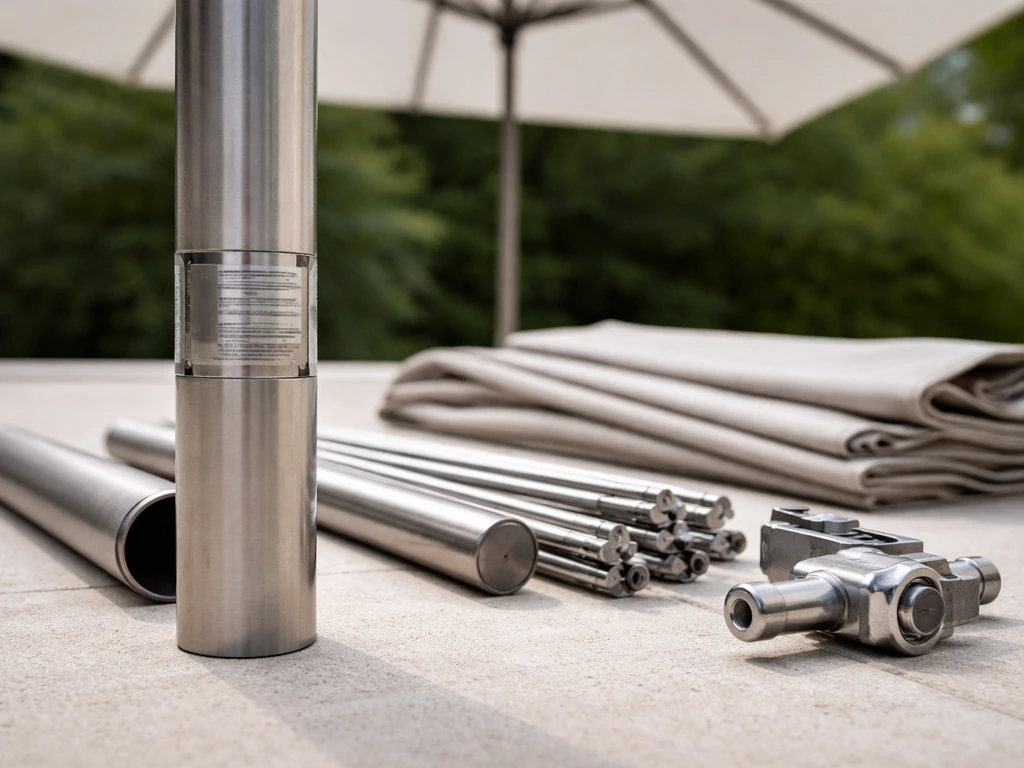
Lay everything out before you start. A typical Allen + Roth market umbrella ships with these parts:
- Upper and lower pole sections (1.5-inch diameter aluminum on the 9-ft model)
- Canopy with pre-attached ribs and runner sleeve
- Crank handle (removable, inserts into one or two slots on the pole hub)
- Locking pin and/or set screws for pole connection
- Carry bag (included on the 9-ft model)
- Hardware bag with screws, washers, and any secondary fasteners
The cantilever model will also include a crossbar base frame, a vertical sliding handle with a lever lock, and sometimes an LED power cord or remote. Count and identify every part before assembly. Missing hardware is much easier to deal with at this stage than halfway through setup.
Unbox, assemble, and connect the pole, ribs, and canopy
All Allen + Roth umbrellas ship unassembled, so plan for 20 to 40 minutes on your first setup. Here is the correct sequence for a standard market umbrella like the 9-ft USA38A278ZT-LS-C:
- Set up the base first. The umbrella base is not included with any Allen + Roth umbrella, so you need to have one ready before you go further. Place the base in your desired location and fill or weight it as directed (more on sizing below).
- Connect the lower pole section to the base. Insert it into the base tube and secure with the provided screws. Hand-tighten first, then snug them down with a screwdriver. Don't overtighten or you'll strip the aluminum threads.
- Slide the canopy runner sleeve over the upper pole section before joining the poles. This is the step people most often forget, and it means disassembling everything if you miss it.
- Join the upper and lower pole sections. Most models use a push-button locking pin that snaps into a pre-drilled hole. Push the button, align the poles, and let the pin click into place.
- Slide the canopy assembly down the pole until the top finial seats at the crown of the pole. The ribs should hang loosely at this point.
- Unfasten the storage tie or velcro strap holding the ribs together. Gently spread the ribs outward by hand so the fabric is loosely draped but not tangled.
- Insert the crank handle into the "open/close" slot on the hub (usually marked or obvious from shape). Crank slowly clockwise until the canopy just begins to open. On some models (like the USA38A278ZT-LS-P variant), you'll crank until it opens slightly, connect the canopy strut to the lower pole, then crank the rest of the way open.
- Once fully open, confirm all ribs are seated in their sockets and the canopy fabric is evenly tensioned with no bunching.
For the 11-ft cantilever model, the sequence differs. Assemble the crossbar base frame first, then attach the vertical pole with the sliding handle to the base hub. Route any LED cord through the pole channel before inserting into the base. Once the pole is locked, proceed with the canopy-spreading and crank steps described in the operating section below.
Open/close operation and crank/tilt basics
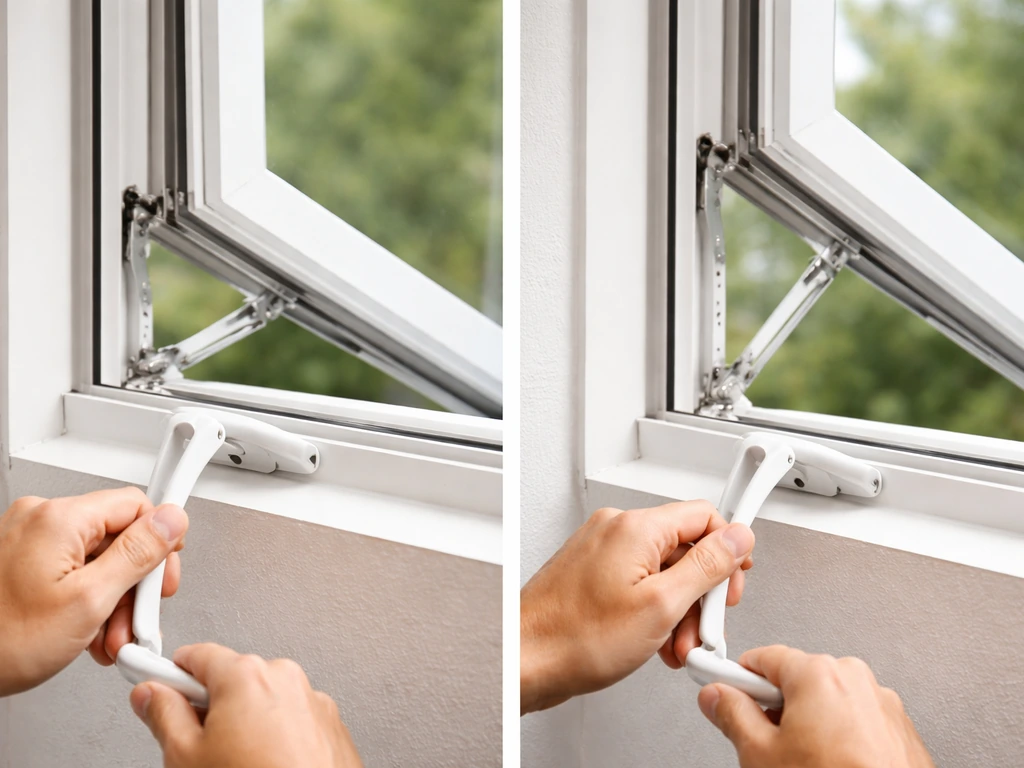
The crank mechanism is the heart of daily operation. Here is how it works across the main Allen + Roth models: real living solar patio umbrella instructions operating section.
| Model type | Open action | Close action | Tilt mechanism |
|---|---|---|---|
| 9-ft auto-tilt market (USA38A278ZT-LS-C) | Crank clockwise until fully open | Crank counter-clockwise | Continue cranking clockwise past fully-open position to engage tilt angle |
| 11-ft offset cantilever (URM819003J series) | Raise pole with lever lock handle, then crank clockwise in open/close slot | Crank counter-clockwise in open/close slot | Insert crank into separate right/left tilt slot and turn to desired angle |
| Generic market (push-button lift) | Push button and raise canopy manually | Lower canopy and re-engage button lock | Usually a friction collar or push-button tilt near the hub |
One caution that comes straight from the 11-ft manual and applies to all crank models: do not try to crank the umbrella open from its lowest collapsed position in one fast motion. Start by using the height-adjustment lever to raise the pole to a comfortable working height first, then crank. Cranking from the bottom puts unnecessary strain on the internal gear and worm drive and is one of the main reasons cranks strip out prematurely.
To close, simply reverse the process. For the auto-tilt models, you need to crank the canopy back to vertical (upright position) before cranking it fully closed. If you try to close it while still at a tilt angle, the ribs will bind against the pole and the crank will feel stuck. That's not a broken umbrella, it's just the wrong sequence.
How to adjust tilt direction and center stability
On the 9-ft auto-tilt market umbrella, tilt is controlled entirely by how far you crank past the fully-open position. Open the canopy completely first (you'll feel the crank get firmer as it reaches full extension), then continue turning clockwise. The canopy will begin to angle. Stop when you've reached the shade angle you want. To return to vertical, crank clockwise a bit further (the auto-tilt cycles through positions) or reverse counter-clockwise back to upright before closing.
On the 11-ft cantilever, there are two separate crank slots on the hub: one labeled for open/close and one for right/left tilt. Insert the crank handle into the tilt slot and turn left or right to angle the canopy toward the sun. These are independent functions, so you can fully open the umbrella and then adjust tilt without affecting the open/close mechanism. That's a genuinely better system for fine-tuning shade coverage throughout the day.
For center stability on any market umbrella, the pole needs to be plumb (straight up and down, not leaning). If your umbrella looks like it's drifting to one side, check these things in order:
- Confirm the base is sitting on a level surface. Even a slight slope will cause visible lean.
- Check that the lower pole is fully seated in the base tube and the set screws are snug.
- Verify the upper and lower pole sections are fully clicked together at the locking pin.
- If using a table-mount setup, make sure the umbrella hole in the table is the right diameter for the pole (most Allen + Roth poles are 1.5 inches).
Wind safety: base setup, securing options, and safe use
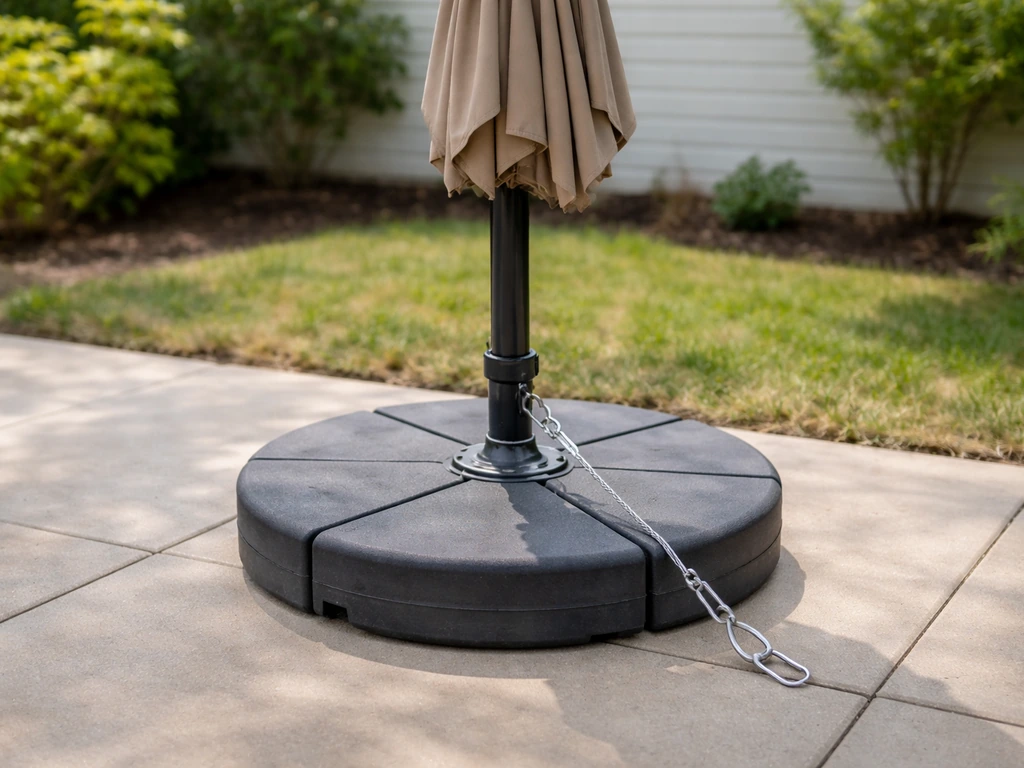
The number one safety issue with patio umbrellas is using them with an undersized or unfilled base. Allen + Roth does not include a base with any of their umbrellas, and the manual specifically tells you to choose a base appropriate for the size and weight of the canopy. For a 9-ft umbrella, you generally want a minimum of 50 lbs of base weight. For an 11-ft offset cantilever, plan on 100 lbs or more because the canopy creates a significant side-load leverage force on the base.
The manual guidance is clear and worth repeating here: close the umbrella completely any time wind picks up. Even a good, heavy base won't keep an open umbrella stable in a gust. This isn't just about the umbrella, an open canopy in wind becomes a sail that can launch the entire pole-and-base assembly and injure someone. The rule of thumb I use is: if you feel more than a light consistent breeze (anything above about 15 mph), close it. If a storm is coming, bring it in entirely.
Practical securing options, in order of effectiveness:
- Fill-in-yourself base (sand or water): easy but make sure it's filled to the rated weight; water bases lose effectiveness in freezing temps
- Solid cast iron or resin base: more reliable weight for a fixed patio setup
- Table-mount through the umbrella hole: very stable since the table adds lateral resistance, but still close the canopy in wind
- Anchor strap kits: wrap around the base and stake into the ground, useful on grass or soil
- Store it closed with the carry bag on when not in use for extended periods
Troubleshooting stuck crank, tilting errors, uneven canopy
Most problems with Allen + Roth umbrellas come down to a handful of repeating issues. Here is how to work through them:
Crank is stiff or won't turn
First, check whether the canopy fabric is binding. This is especially common after the umbrella has been stored, after rain, or when opening it cold in early spring. The 11-ft model's manual is direct about this: if you feel resistance while cranking and the canopy isn't opening, stop cranking. Do not force it. Instead, gently spread the ribs outward by hand and shake the fabric to loosen it from any folded-over or stuck position. Then try the crank again. Nine times out of ten this fixes it immediately.
If the crank is genuinely stiff and the fabric isn't the issue, the problem is usually a dry or corroded worm gear inside the hub. Remove the crank handle, spray a small amount of silicone lubricant (not WD-40, which attracts dirt) into the crank opening, turn the handle a few times to work it in, and try again. This usually frees up a sluggish gear within a minute or two.
Umbrella won't tilt or tilts on its own
On auto-tilt models, the most common user error is trying to tilt before the canopy is fully open. The tilt function only engages after the ribs are fully extended. Open completely first, then continue cranking. If you've done that and the tilt still doesn't engage, check that the crank handle is seated all the way into the hub slot. A handle that's only partially inserted will turn but won't transfer force to the tilt mechanism.
If the canopy tilts by itself (drooping to one side without input), the friction collar or tilt lock is worn or loose. On most market umbrellas, there is a collar or set screw near the hub that controls tilt resistance. Tighten it a quarter turn at a time until the canopy holds position on its own. On the cantilever models, this usually means the tilt gear is worn and may need a replacement part ordered through Lowe's parts service.
Canopy is uneven or one side sags
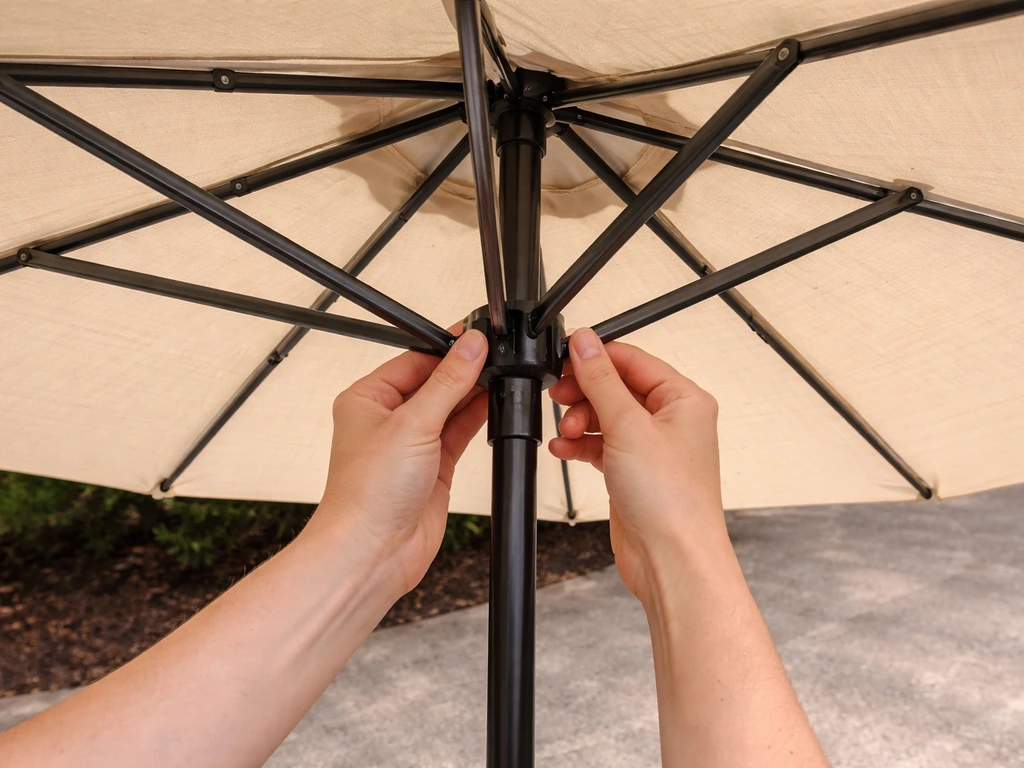
Open the umbrella fully and look at the ribs. If one rib isn't extending as far as the others, it's likely not seated in its hub socket. Close the umbrella, manually guide that rib into its socket, and crank open again. If a rib tip is bent or the connecting ferrule (the small metal sleeve at the rib tip) is cracked, that rib won't hold its position. Replacement ribs for common Allen + Roth models can be ordered; bring the model number when you call Lowe's or search the BILT parts catalog.
Pole is wobbling in the base
This almost always means the set screws are loose or the base is underfilled. Tighten the screws first. If the pole diameter doesn't match the base opening snugly, use a rubber shim insert (available at most hardware stores) to take up the gap. A sloppy pole-to-base fit causes stress on the pole connection over time and can eventually crack the lower pole section.
Maintenance, seasonal storage, and winterizing
A well-maintained Allen + Roth umbrella can last five or more seasons. Here is the maintenance routine I'd recommend:
During the season
- Close the umbrella whenever you're not using it, especially overnight. UV exposure and moisture both degrade canopy fabric faster when it's left open.
- Use the included carry bag or a separately purchased umbrella cover when the umbrella will be closed for more than a day or two.
- After rain, open the umbrella and let it dry completely before closing and covering. Storing a wet canopy causes mildew that's very difficult to remove from umbrella fabric.
- Lubricate the crank mechanism with silicone spray once a month during heavy-use periods.
- Wipe down the aluminum pole with a damp cloth to remove bird droppings and environmental grime, which can corrode the finish over time even on rust-resistant aluminum.
End of season and winterizing
- Open the umbrella on a dry, sunny day and allow any residual moisture in the fabric to fully evaporate.
- Close the umbrella and wipe the canopy with a mild soap solution (dish soap and water works fine) to remove any mildew, pollen, or grime. Rinse with clean water and let it air dry completely, not in the carry bag.
- Disassemble the poles and store them indoors if possible. At minimum, store the canopy indoors. Freezing temperatures won't hurt the aluminum pole itself, but freeze-thaw cycles degrade canopy stitching and the plastic or resin fittings on the rib tips.
- Drain and dry any water-filled base before freezing weather arrives. Water expands when it freezes and will crack a plastic base from the inside.
- Store the crank handle separately in a zip bag taped to the pole so it doesn't get lost.
- In spring, inspect ribs and ferrules for cracks, check the crank for smooth operation, and apply fresh silicone lubricant before your first use.
If you're comparing notes with friends who have other brands, the assembly logic for Allen + Roth is broadly similar to other market umbrellas like Blissun or Abba Patio, where the pole-to-base connection and crank-open sequence follow the same general pattern. Abba Patio umbrella instructions follow a very similar crank-open and pole-to-base sequence, so you can use that as a helpful reference. The auto-tilt mechanism and the specific hardware connection points are what make Allen + Roth models slightly different, so always cross-reference your model number against the Lowe's PDF before assuming a generic instruction applies to yours.
The bottom line: Allen + Roth umbrellas are solid, well-designed products that reward a little attention to sequence and maintenance. Get the base weight right, follow the open-before-tilt order, keep the crank lubricated, and close it any time the wind picks up. Do those four things and you'll avoid the vast majority of problems that bring people to troubleshooting guides in the first place.
FAQ
Do I need to assemble the umbrella before I put it into the base?
Usually no, but confirm your model’s order. Many market umbrellas require the pole to be secured in the base hub before you mount the canopy, and some cantilever styles require routing the LED cord through the pole before locking it. If you assemble the canopy first, you may end up fighting cord routing or alignment when the pole needs to sit plumb.
What base size and weight should I choose if my umbrella is between listed sizes?
Use the umbrella’s labeled model size as the primary guide, not the fabric size alone. If the canopy is closer to 10 ft than 9 ft, lean toward the heavier base category because cantilever designs create larger side-loads. When in doubt, choose the next higher weight and keep the base fully filled to reduce wobble during opening.
My umbrella leans even after I tighten the pole connection. Is it the umbrella or the base?
Check the base first. A common cause is an uneven or improperly seated base, plus a pole-to-base opening that is slightly oversized so the pole sits off-center. If the fit is loose, add the correct rubber shim to take up the gap, then re-seat and tighten, making sure the pole is straight up and not angled.
Can I open the umbrella partly, then adjust tilt right away?
On crank umbrellas that use tilt after full extension, tilt can fail or bind if you stop early. The tilt mechanism typically engages only once the ribs are fully spread, so open all the way first, then adjust tilt without changing the open/close crank slot function.
What lubricant is safe to use on the crank, and how much should I apply?
Use a small amount of silicone lubricant only, applied into the crank opening after you remove the crank handle. Avoid heavy spraying or applying WD-40 because residue attracts dirt and can make the gear feel worse over time. After lubricating, cycle the crank gently a few times before opening fully.
The handle feels like it turns, but the umbrella does not open. What should I check first?
Seat the crank handle fully into the correct hub slot. If the handle is only partially inserted, it may rotate without transferring force to the mechanism. Also confirm you are using the correct slot for open/close versus left/right tilt on cantilever models.
My canopy is opening, but one rib keeps lagging behind. Should I force it?
Do not force cranking. Close the umbrella, manually guide the underperforming rib tip into its socket, then reopen and crank smoothly. If the rib tip is bent or the ferrule is cracked, it may need replacement rather than repeated manual pushing.
How do I close an auto-tilt umbrella if the canopy feels stuck at an angle?
Move it back toward vertical first, meaning crank until the auto-tilt cycles through positions to upright, then continue to fully close. Closing while still tilted can cause the ribs to bind against the pole, and forcing it can stress the internal tilt linkage.
What’s the safest way to store and prevent future fabric binding?
Dry the canopy if it got wet, then store it in a way that keeps the ribs from folding tightly in one spot. Fabric binding often shows up after storage when the umbrella opens cold, so consider loosening the canopy by hand before cranking the first time in spring or after long storage.
Do I need to take the umbrella down for moderate wind, or only for storms?
Use a wind threshold, close at the first sign of a stronger, consistent breeze (around the mid-teens mph range). Even with adequate base weight, an open umbrella acts like a sail and can tip or launch the pole-and-base assembly, increasing injury risk.
Next Articles
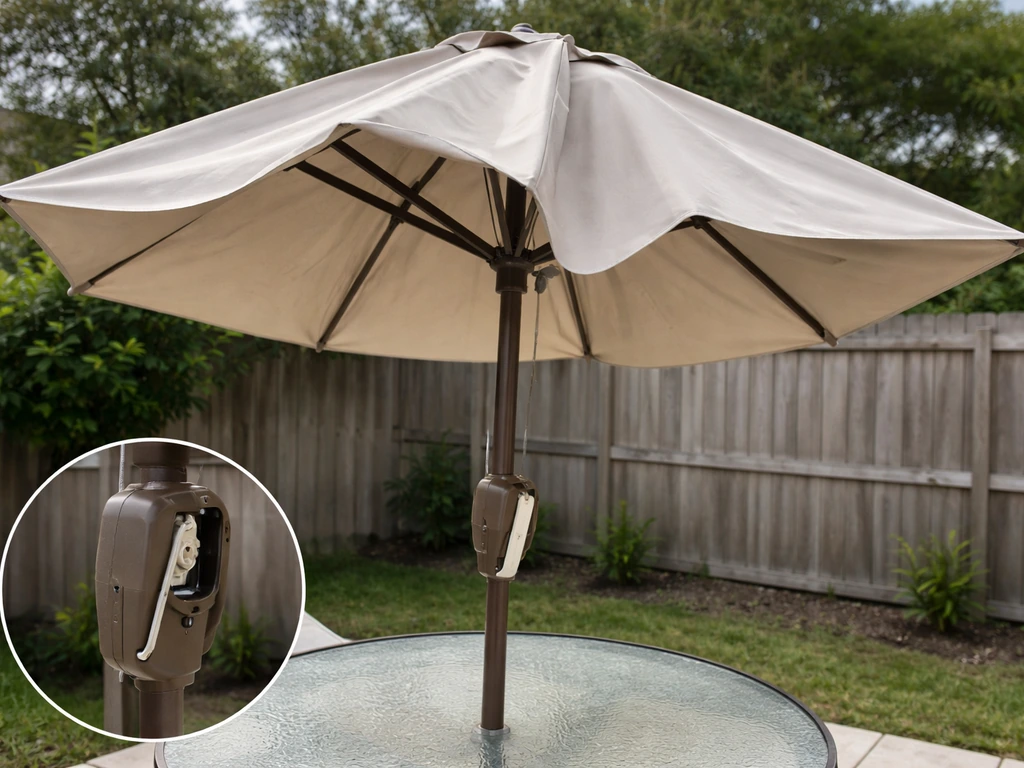
How to Fix a Patio Umbrella That Won't Open or Close
Step-by-step fixes for patio umbrellas that won’t open or close, with checks for jams, cords, latches, and lubricating t
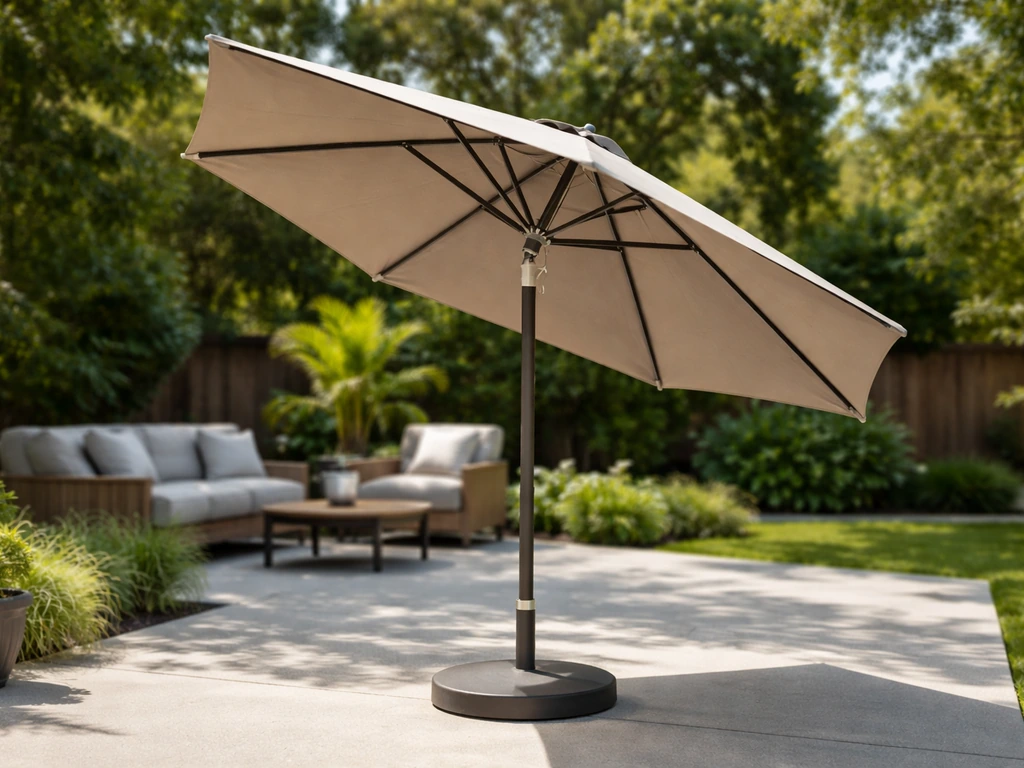
How Does a Patio Umbrella Work? Components, Use, and Fixes
Learn how patio umbrellas work: components, open close tilt, stability, and step by step troubleshooting common mechanic
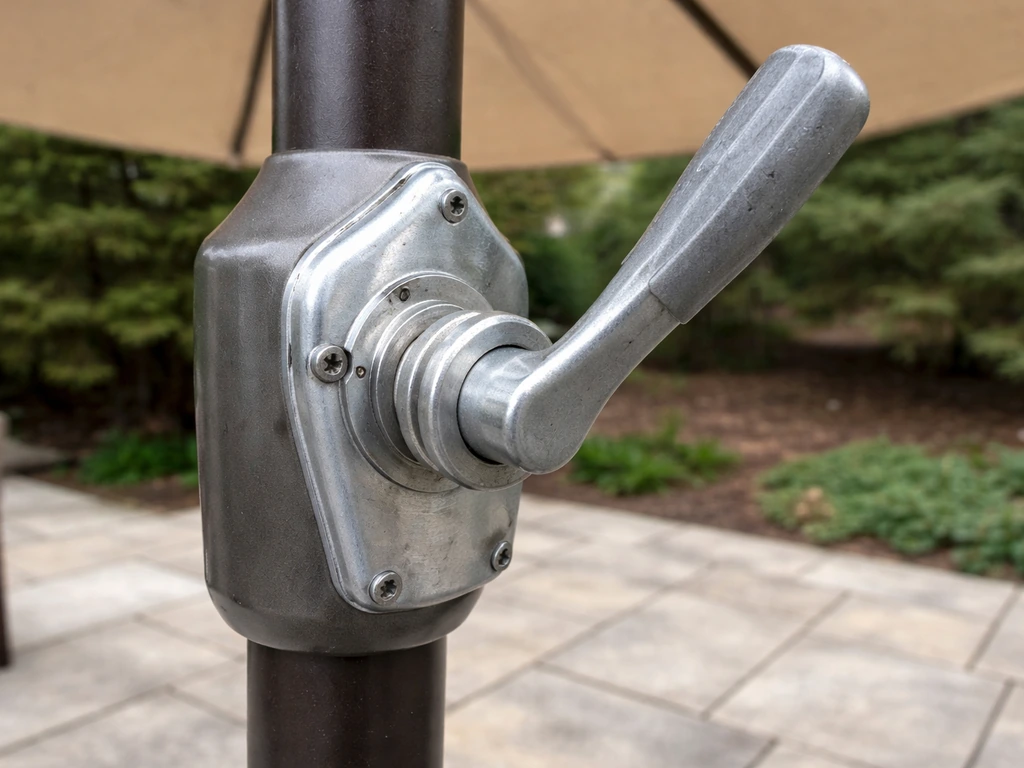
Patio Umbrella Crank Not Working: DIY Fix Guide
Fix a patio umbrella crank that won’t work with safe step-by-step jam, gear, and base troubleshooting and repair tips.